
Dr O P Kulshresh
About Me
Dr O P Kulshresh
DO
Ophthalmologist
10 Years Experience
Biography
My Clinic
OPD Hours
| Monday | Morning | 10:00 AM | - | 02:00 PM |
| Evening | 06:00 PM | - | 09:00 PM | |
| Tuesday | Morning | 10:00 AM | - | 02:00 PM |
| Evening | 06:00 PM | - | 09:00 PM | |
| Wednesday | Morning | 10:00 AM | - | 02:00 PM |
| Evening | 06:00 PM | - | 09:00 PM | |
| Thursday | Morning | 10:00 AM | - | 02:00 PM |
| Evening | 06:00 PM | - | 09:00 PM | |
| Friday | Morning | 10:00 AM | - | 02:00 PM |
| Evening | 06:00 PM | - | 09:00 PM | |
| Saturday | Morning | 10:00 AM | - | 02:00 PM |
| Evening | 06:00 PM | - | 09:00 PM | |
| Sunday | Morning | 10:00 AM | - | 02:00 PM |
| Evening | 06:00 PM | - | 09:00 PM |
Treatments
Specialised care and treatments offered
INTRAVITREAL INJECTIONS
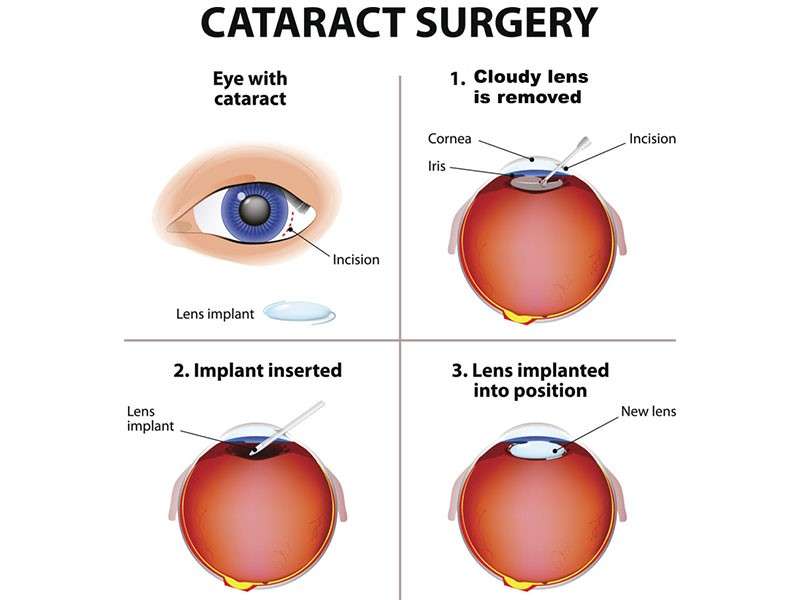
Certain retinal diseases require medications delivered directly inside the eye’s vitreous cavity via intravitreal injections for optimal efficacy. This technique targets conditions affecting central vision effectively.
CORNEAL CROSS-LINKING FOR KERATOCONUS
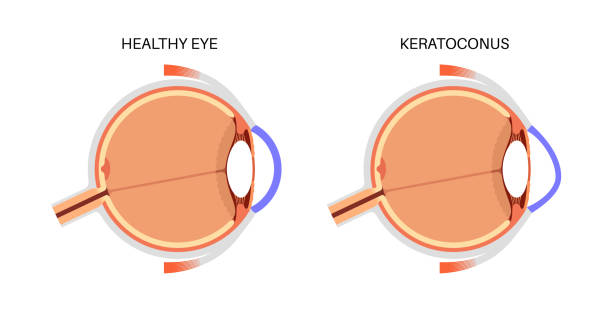
Keratoconus is a progressive thinning disorder of the cornea that causes irregular shape leading to distorted vision. Cross-linking helps strengthen corneal tissue to halt progression effectively.
DIABETIC RETINOPATHY SCREENING
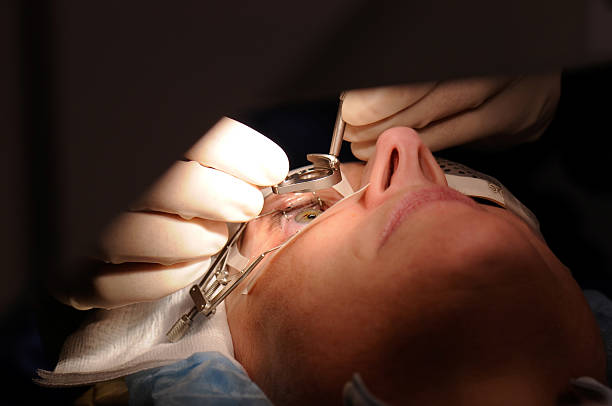
This condition refers to damage to retinal blood vessels due to chronic high blood sugar levels in diabetes. Early identification prevents serious vision impairment or blindness.
- Causative factors & signs: Diabetes leads to weakening or leakage of tiny blood vessels in the retina; early stages may have no symptoms at all.
- The diagnostic method:
DRY EYE DISEASE MANAGEMENT
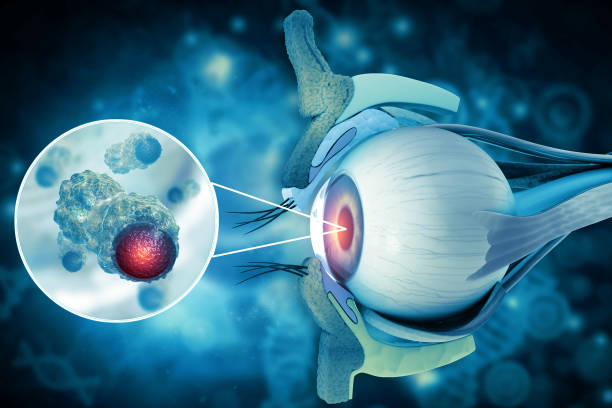
Dry eye disease happens when tears are insufficient or evaporate too quickly, causing discomfort and visual disturbance. It affects millions worldwide but can be managed effectively.
- Main causes and symptoms: Burning sensation, redness, irritation, grittiness, and fluctuating vision often result from tear film instability or gland dysfunction.
- Diagnosis process: Comprehensive tear film assessment alongside patient history help establish severity and underlying factors.
- Treatment options: Artificial tears, prescription anti-inflammatory drops, eyelid hygiene routines, and punctal plugs to conserve tears can all be used depending on severity.
- Lifestyle advice and prognosis: Environmental modifications like humidifiers or screen breaks support treatment outcomes; most patients achieve significant relief with continuous care.
A proactive approach combining clinical treatment and daily habits can substantially improve comfort and protect ocular surfaces from damage caused by dry eyes.
LASER TREATMENT FOR GLAUCOMA
Glaucoma is a group of eye conditions damaging the optic nerve often due to increased intraocular pressure. Early management is crucial to prevent permanent vision loss.
- Causes and symptoms: Elevated eye pressure usually causes gradual peripheral vision loss without early symptoms.
- How it’s diagnosed: Eye pressure measurement (tonometry) and optic nerve imaging help identify glaucoma development.
- Treatment approach: Laser procedures such as selective laser trabeculoplasty (SLT) improve aqueous fluid drainage to lower pressure non-invasively.
- Patient considerations: Laser therapy is an outpatient procedure, minimally invasive with minimal discomfort, often reducing or eliminating the need for daily medications.
This laser intervention offers a safe way to control glaucoma progression with regular follow-up essential to monitor eye health over time.
CATARACT SURGERY
A cataract occurs when the natural lens of the eye becomes cloudy, leading to blurred vision and difficulty with daily activities. It is a common condition especially among older adults but can be treated effectively.
- Symptoms and causes: Gradual vision loss, glare, halos around lights, and faded colors are common signs caused by age-related protein clumping in the lens.
- Diagnosis: Detailed eye examination including slit-lamp evaluation and visual acuity tests confirm cataract presence.
- Treatment options: Surgical removal of the cloudy lens followed by implantation of a clear artificial intraocular lens (IOL) is the standard approach.
- Procedure expectations: The surgery is typically outpatient, painless, and completed within minutes using local anesthesia; recovery is quick with improved vision within days.
Early detection and timely surgery can restore clear vision efficiently, greatly enhancing quality of life while minimizing risks associated with advanced cataracts.