
Dr O P Meena
About Me
Dr O P Meena
MD
Anesthesiologist
10 Years Experience
Biography
My Clinic
OPD Hours
| Monday | Morning | 10:00 AM | - | 02:00 PM |
| Evening | 06:00 PM | - | 09:00 PM | |
| Tuesday | Morning | 10:00 AM | - | 02:00 PM |
| Evening | 06:00 PM | - | 09:00 PM | |
| Wednesday | Morning | 10:00 AM | - | 02:00 PM |
| Evening | 06:00 PM | - | 09:00 PM | |
| Thursday | Morning | 10:00 AM | - | 02:00 PM |
| Evening | 06:00 PM | - | 09:00 PM | |
| Friday | Morning | 10:00 AM | - | 02:00 PM |
| Evening | 06:00 PM | - | 09:00 PM | |
| Saturday | Morning | 10:00 AM | - | 02:00 PM |
| Evening | 06:00 PM | - | 09:00 PM | |
| Sunday | Morning | 10:00 AM | - | 02:00 PM |
| Evening | 06:00 PM | - | 09:00 PM |
Treatments
Specialised care and treatments offered
PAIN AROUND MEDICAL PROCEDURES
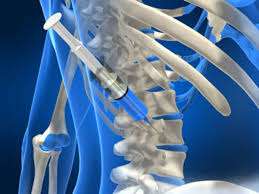
Pain associated with medical procedures is common but can be managed effectively through various techniques. Understanding these methodologies allows patients greater comfort during treatments such as injections or other minimally invasive interventions
- Experience Factors: Discomfort levels vary based on procedure type; factors influencing pain perception include individual tolerance levels alongside environmental aspects within clinical settings.
- Assessments: Pain management specialists evaluate past experiences described by patients before determining preferred techniques best suited according to personal needs.
- Management Techniques: Options range from local anesthetics applied directly at injection sites up until systemic solutions addressing broader areas within treatment scopes tailored closely around patient requirements.
Demonstrating contextual awareness around procedural pains aids significantly towards ensuring higher satisfaction levels among those receiving care while awaiting services needed most urgently across diverse clinical fields!
ANXIETY MANAGEMENT TECHNIQUES

Anxiety related to medical procedures can hinder effective treatment. Employing specific techniques helps manage this condition so patients feel more at ease before undergoing necessary interventions like surgery or invasive diagnostics.
- Symptoms: Common feelings include excessive worry or panic attacks triggered by the prospect of medical care, leading many individuals to avoid seeking help altogether.
- Assessment: An evaluation involving discussions about prior experiences aids healthcare providers in understanding each patient's unique concerns.
- Management Approaches: Therapeutic strategies may include relaxation techniques, mindfulness practices, cognitive-behavioral therapy (CBT), or pharmacological assistance when required.
- Expected Outcomes: With proper management strategies implemented pre-procedure, patients often find themselves feeling calmer and better prepared for their upcoming treatments.
Equipping patients with tools to manage anxiety contributes significantly towards improved overall health outcomes following various medical encounters.
POSTOPERATIVE PAIN CONTROL

The management of postoperative pain is critical for patient recovery following surgical procedures. Adequate control not only enhances comfort but promotes quicker mobilization and healing processes after surgery.
- Sensations Experienced: Patients may notice varying degrees of soreness or sharp pains depending on the surgical site and personal pain thresholds.
- Adequate Monitoring: Continuous assessment through communication post-surgery allows anesthesiologists to adjust pain relief methods as needed swiftly.
- Pain Relief Strategies: Options comprise oral medications like opioids or non-opioids alongside regional anesthetic techniques employed during surgery for enhanced effectiveness afterward.
This proactive approach ensures patients can recover more comfortably while adhering closely to rehabilitation protocols set forth by their healthcare teams.
REGIONAL ANESTHESIA TECHNIQUES

Regional anesthesia involves injecting anesthetic near a cluster of nerves to block sensation in specific areas of the body. It plays a vital role in providing relief during various medical procedures without the need for general anesthesia.
- Indications: Conditions suitable for regional anesthesia include surgeries on limbs or lower body regions where complete unconsciousness isn’t required.
- Differentiation: Diagnosis typically encompasses assessments by an anesthesiologist who evaluates patient history and the nature of the procedure planned.
- Treatment Methods: Options may involve nerve blocks or epidural injections aimed at managing pain effectively while allowing patients to remain awake or lightly sedated during operations.
- Main Benefits: Patients often benefit from quicker recovery times compared to general anesthesia, along with fewer side effects post-procedure.
This form of anesthesia enables targeted pain control while maintaining conscious awareness in appropriate circumstances.
SEDATION FOR DENTAL PROCEDURES

The use of sedation during dental procedures is designed to alleviate anxiety and discomfort. This technique enables patients to undergo necessary treatments with minimal distress, enhancing their experience in the dental chair.
- Symptoms: Anxiety about visiting the dentist can be common, manifesting through elevated heart rate or avoidance of care altogether.
- Diagnosis: Discussion with a healthcare provider regarding previous dental experiences helps tailor sedation options to individual needs.
- Treatment Methods: Sedation options include minimal sedation using inhaled nitrous oxide to deep sedation via intravenous medications based on what the procedure entails.
- Anticipated Results: Following sedation, patients typically report reduced anxiety levels and improved comfort during their treatment sessions.
This approach allows individuals who previously found dental work challenging to receive necessary care effectively.
CHRONIC PAIN MANAGEMENT

Chronic pain can significantly affect an individual’s quality of life, making effective management crucial. This condition often persists even after the initial cause has been treated, requiring a comprehensive approach to alleviate discomfort.
- Symptoms: Patients may experience ongoing pain that persists beyond typical healing time, along with fatigue and mood changes.
- Diagnosis: A thorough evaluation including patient history, physical examinations, and sometimes imaging studies is essential to identify underlying causes.
- Treatment Options: Management may include medications such as analgesics and anti-inflammatory drugs, physical therapy programs, behavioral therapy, and alternative methods like acupuncture.
- Expectations: Patients can anticipate a tailored treatment plan that aims not just to relieve pain but also to improve overall function and emotional well-being.
Efficacy in managing chronic pain often requires a multidisciplinary approach, integrating various treatment modalities for optimal results.