
Dr O P Singh
About Me
Dr O P Singh
BDS
Dentist
10 Years Experience
Biography
My Clinic
OPD Hours
| Monday | Morning | 10:00 AM | - | 02:00 PM |
| Evening | 06:00 PM | - | 09:00 PM | |
| Tuesday | Morning | 10:00 AM | - | 02:00 PM |
| Evening | 06:00 PM | - | 09:00 PM | |
| Wednesday | Morning | 10:00 AM | - | 02:00 PM |
| Evening | 06:00 PM | - | 09:00 PM | |
| Thursday | Morning | 10:00 AM | - | 02:00 PM |
| Evening | 06:00 PM | - | 09:00 PM | |
| Friday | Morning | 10:00 AM | - | 02:00 PM |
| Evening | 06:00 PM | - | 09:00 PM | |
| Saturday | Morning | 10:00 AM | - | 02:00 PM |
| Evening | 06:00 PM | - | 09:00 PM | |
| Sunday | Morning | 10:00 AM | - | 02:00 PM |
| Evening | 06:00 PM | - | 09:00 PM |
Treatments
Specialised care and treatments offered
SEALANTS
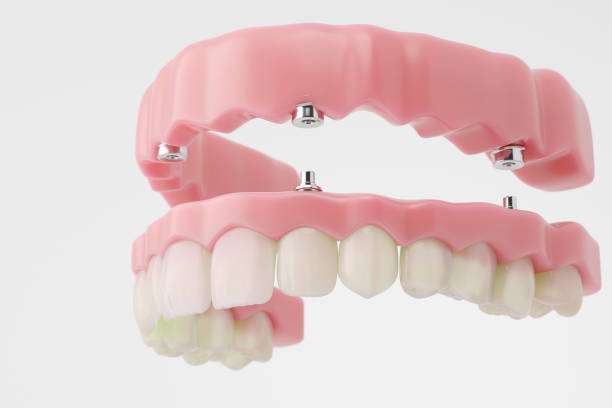
Dental sealants serve as an additional protective layer over tooth enamel designed primarily to prevent decay within fissures found on chewing surfaces. They act like barriers between food particles/bacteria!
- Benefits : Sealants significantly reduce cavity risk by covering grooves where food tends to accumulate most easily.
- Application : Applying sealants involves cleaning the tooth surface first before applying an adhesive material followed by hardening it under special light.
- Duration : Generally lasting several years - regular check-ups help determine if replacements/repairs are necessary based upon wear from daily usage.
Adopting this preventive strategy ensures longevity for vulnerable teeth while keeping cumulative costs low over time!
ORAL CANCER SCREENINGS
An oral cancer screening involves a thorough examination of your mouth by a dentist looking for signs of cancerous lesions. Early detection can dramatically improve treatment outcomes!
- Symptoms : Possible symptoms could include lumps or sores that do not heal within 2 weeks; persistent pain; or difficulty swallowing.
- Diagnosis : Screenings usually involve direct visual inspections along with palpation techniques by trained dentists.
- Treatment Options : If suspicious areas are found during screenings, your dentist may refer you for further tests including biopsies.
- What To Expect : Regular screenings typically only take minutes but could save lives when dealing with oral cancers if abnormalities are detected early on!
Participating in these screenings offers peace of mind while prioritizing proactive healthcare decisions!
FLUORIDE TREATMENTS
This type of treatment aims at strengthening enamel against decay through topical fluoride applications. Fluoride acts as a protective barrier against acids produced by bacteria in plaque.
- Indications: Those at higher risk for cavities or individuals who have had multiple cavities previously might particularly benefit from this treatment.
- Administration: Fluoride can be applied as a gel or varnish directly onto the teeth during a dental visit; it’s quick and painless.
- Efficacy: Studies show that fluoride helps remineralize early signs of tooth decay before they become noticeable issues requiring fillings.
This simple yet effective preventive measure significantly contributes to overall oral health when incorporated into routine care schedules.
GUM DISEASE MANAGEMENT
Gum disease is an inflammatory condition affecting the tissues surrounding the teeth. It often begins with gingivitis but can progress into more severe forms if left untreated.
- Symptoms: Signs include red or swollen gums, bleeding during brushing or flossing, and persistent bad breath.
- Causes: The primary cause is plaque buildup which leads to infections in the gums; genetics may also play a role in susceptibility.
- Treatment Options: Management involves improved oral hygiene practices at home along with professional cleanings. In more advanced cases, surgical interventions might be necessary.
- What to Expect: Regular check-ups will help ensure that gum disease does not progress further; treatment effectiveness will be monitored closely during visits.
Efficacious management can lead to healthier gums and prevent tooth loss over time.
CAVITY PREVENTION
Preventing cavities is crucial for maintaining strong teeth throughout life. Cavities result from decay caused by bacteria that feed on sugars in our diet.
- Causes: Frequent consumption of sugary foods, poor oral hygiene, and lack of regular dental check-ups contribute significantly to cavity formation.
- Diagnosis: Dentists typically identify cavities through visual examinations and X-rays if necessary.
- Treatment Options: Preventive measures include using fluoride toothpaste, regular cleanings, and possibly sealants applied to chewing surfaces of molars.
- What to Expect: At each visit, your dentist will assess your risk factors and recommend tailored strategies to minimize cavity development.
By taking preventive steps now, you can save time, money, and discomfort associated with future fillings.
DENTAL CLEANINGS
Routine dental cleanings are essential for maintaining oral health and preventing issues such as cavities and gum disease. These appointments allow for the removal of plaque and tartar that build up on the teeth over time.
- Symptoms: Common signs that you may need a cleaning include bad breath, swollen gums, and tooth sensitivity.
- Diagnosis: Typically, the need for a cleaning is determined during a dental examination where the dentist evaluates plaque buildup.
- Treatment Options: Professional dental cleanings involve scaling to remove deposits, polishing of teeth, and sometimes fluoride treatments.
- What to Expect: You can expect your appointment to last around 30-60 minutes with minimal discomfort; local anesthesia may be used if required.
Regular cleanings are vital in preventing more serious dental problems and ensuring overall health.