
Dr Om Prabha MS
About Me
Dr Om Prabha MS
MBBS
General Physician
Biography
My Clinic
OPD Hours
| Monday | Morning | 10:00 AM | - | 02:00 PM |
| Evening | 06:00 PM | - | 09:00 PM | |
| Tuesday | Morning | 10:00 AM | - | 02:00 PM |
| Evening | 06:00 PM | - | 09:00 PM | |
| Wednesday | Morning | 10:00 AM | - | 02:00 PM |
| Evening | 06:00 PM | - | 09:00 PM | |
| Thursday | Morning | 10:00 AM | - | 02:00 PM |
| Evening | 06:00 PM | - | 09:00 PM | |
| Friday | Morning | 10:00 AM | - | 02:00 PM |
| Evening | 06:00 PM | - | 09:00 PM | |
| Saturday | Morning | 10:00 AM | - | 02:00 PM |
| Evening | 06:00 PM | - | 09:00 PM | |
| Sunday | Morning | 10:00 AM | - | 02:00 PM |
| Evening | 06:00 PM | - | 09:00 PM |
Treatments
Specialised care and treatments offered
ALLERGY TESTING
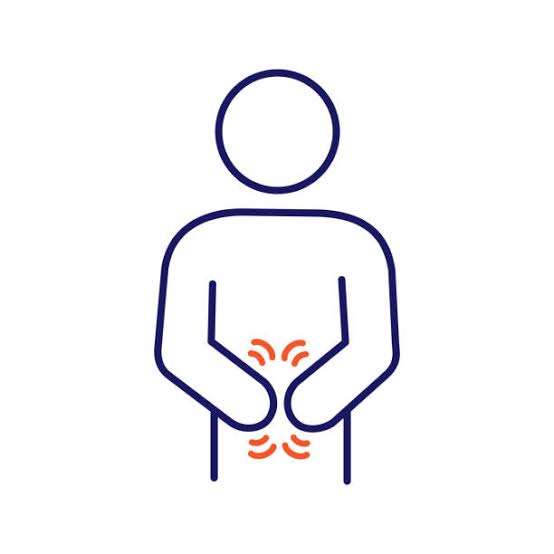
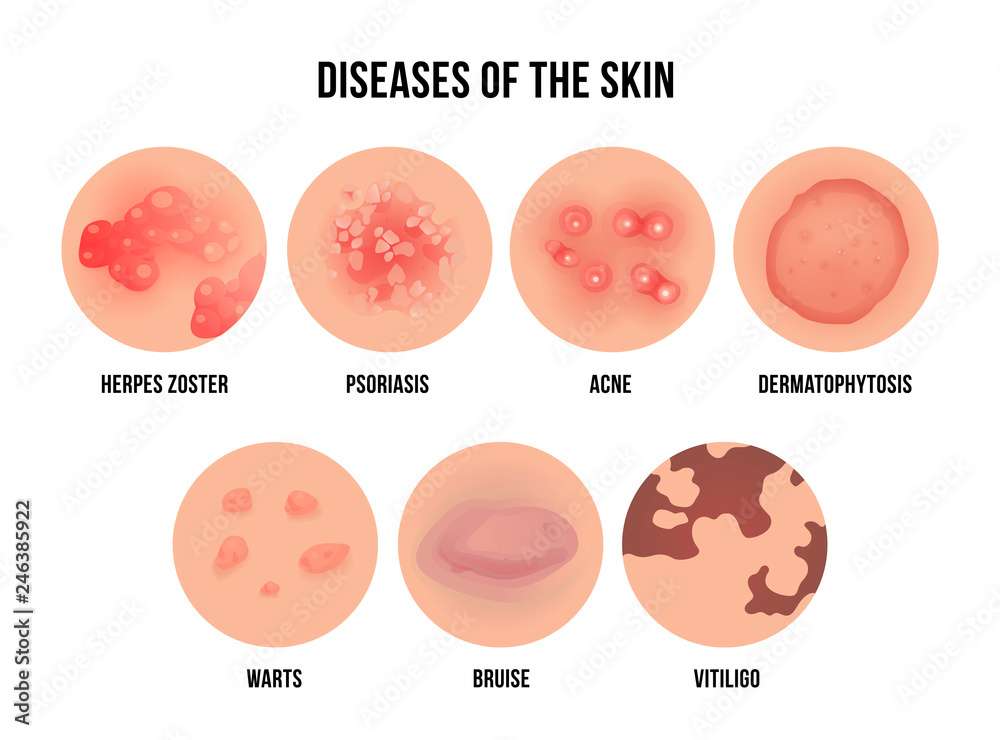
If you're experiencing unexplained allergic reactions such as sneezing、itching、or skin rashes,allergy testing could uncover specific allergens responsible for triggering these responses。
- Common Allergens:Common triggers include pollen、dust mites、pet dander、certain foods,以及药物。
- Testing Methods:Allergy testing might involve skin prick tests或血液检测以确定你对特定过敏原的敏感性。
- Treatment Options:Depending on testing results,可以采取避免接触过敏原或通过药物管理症状。此外,免疫疗法可能会被建议以提高耐受性。
FLU VACCINATION

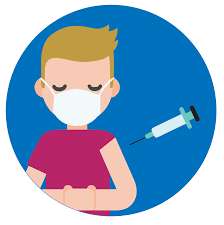
The flu vaccine is an essential preventive measure against seasonal influenza which can lead to severe illness. Vaccination helps protect both individuals and communities by minimizing virus transmission during flu season.
- Vaccine Benefits:Getting vaccinated reduces the risk of contracting influenza以及其并发症,并帮助预防病毒在社区中的传播。
- Ideal Timing: Flu shots should ideally be administered before flu season begins、often recommended during early fall。
- Who Should Get Vaccinated: Everyone aged six months和older should consider getting a flu vaccine,尤其是高风险人群如老人、孕妇及慢性病患者。
Overall,vaccination plays a key role in protecting public健康和减少流感的影响。
CHOLESTEROL MONITORING
Elevated cholesterol levels can increase the risk of heart disease and stroke. Monitoring cholesterol is critical in assessing cardiovascular health and determining necessary lifestyle changes or interventions.
- Understanding Cholesterol: Cholesterol exists in two main forms: LDL (bad) cholesterol and HDL (good) cholesterol. The balance between these types critically influences your heart health.
- Causal Factors: Poor diet, lack of exercise, obesity, smoking, and genetics can all contribute to unhealthy cholesterol levels.
- Screening Process: A simple blood test measures total cholesterol along with LDL and HDL levels to gauge your heart's health status accurately.
Regular monitoring helps maintain optimal cholesterol levels,promoting long-term cardiovascular wellbeing。
PREVENTIVE HEALTH CHECK-UPS
A preventive health check-up involves a series of assessments and tests designed to detect potential health issues before they become serious problems. Regular check-ups can help maintain your health proactively.
- Purpose: These evaluations focus on identifying risks and conditions like hypertension, diabetes, or cholesterol abnormalities before they cause harm.
DIABETES SCREENING

Diabetes is a chronic condition that affects how your body processes glucose. Early detection through screening is vital for preventing complications that can arise from unmanaged blood sugar levels.
- Risk Factors: Family history, obesity, sedentary lifestyle, and age can increase the likelihood of developing diabetes.
- Diagnosis: Blood tests such as the fasting plasma glucose test or HbA1c test are used to determine blood sugar levels accurately.
- Treatment/Management: Depending on the type of diabetes diagnosed, treatment may include dietary adjustments, physical activity, medication, or insulin therapy.
- Your Role: Self-monitoring of blood sugar levels plays an important role in managing diabetes effectively alongside regular medical consultations.
Scheduling routine screenings is essential for early detection and better outcomes in diabetes management.
HYPERTENSION MANAGEMENT
High blood pressure, also known as hypertension, is a common yet serious condition that can lead to significant health issues if left untreated. It often develops gradually over many years and may not show symptoms until serious complications arise.
- Symptoms: Many individuals do not experience noticeable symptoms, but severe hypertension can cause headaches, shortness of breath, or nosebleeds.
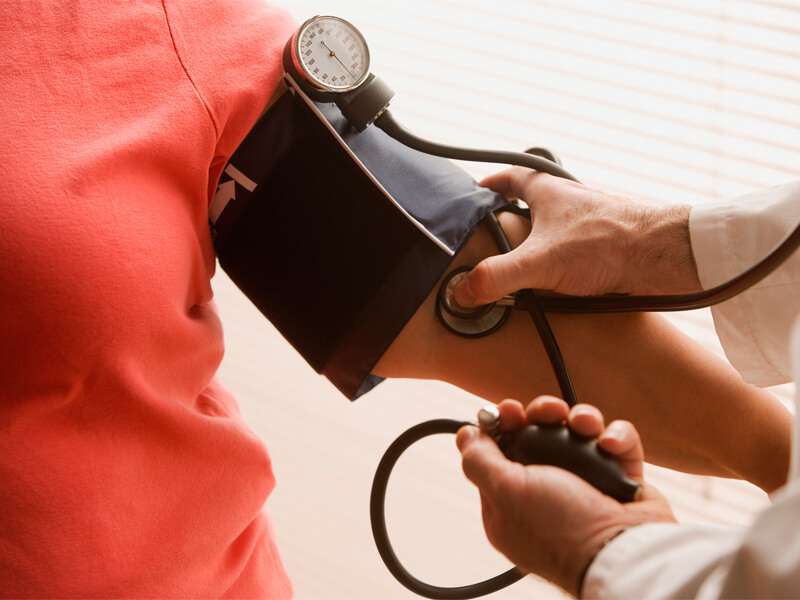
- Diagnosis: Blood pressure readings are taken using a sphygmomanometer. Consistently high readings indicate hypertension.
- Treatment Options: Lifestyle modifications such as diet changes and regular exercise are recommended. Medications may also be prescribed based on your individual case.
- Management: Regular monitoring of blood pressure is crucial for effective management along with routine check-ups with your physician.
- Expectations: With proper treatment, most individuals can manage their blood pressure effectively and reduce the risk of heart disease and stroke.
A proactive approach to managing hypertension can significantly improve your overall health and well-being.