
Dr OM PRAKASH DE
About Me
Dr OM PRAKASH DE
MD
Dermatologist
10 Years Experience
Biography
My Clinic
OPD Hours
| Monday | Morning | 10:00 AM | - | 02:00 PM |
| Evening | 06:00 PM | - | 09:00 PM | |
| Tuesday | Morning | 10:00 AM | - | 02:00 PM |
| Evening | 06:00 PM | - | 09:00 PM | |
| Wednesday | Morning | 10:00 AM | - | 02:00 PM |
| Evening | 06:00 PM | - | 09:00 PM | |
| Thursday | Morning | 10:00 AM | - | 02:00 PM |
| Evening | 06:00 PM | - | 09:00 PM | |
| Friday | Morning | 10:00 AM | - | 02:00 PM |
| Evening | 06:00 PM | - | 09:00 PM | |
| Saturday | Morning | 10:00 AM | - | 02:00 PM |
| Evening | 06:00 PM | - | 09:00 PM | |
| Sunday | Morning | 10:00 AM | - | 02:00 PM |
| Evening | 06:00 PM | - | 09:00 PM |
Treatments
Specialised care and treatments offered
VITILIGO
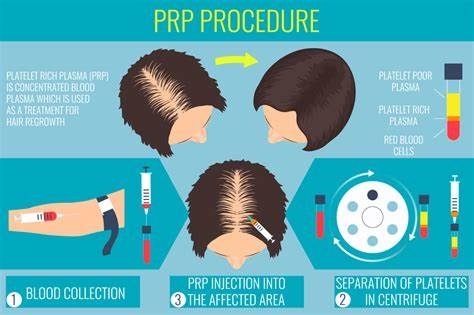
This acquired depigmentation disorder leads to pale white patches due to destruction of melanocytes in affected skin regions. It can appear at any age often involving hands, face, neck prominently.
- |
- Smooth well-demarcated milky white macules represent typical presentation notable for progressive enlargement over time| |
- The exact cause is believed autoimmune targeting using combination genetic susceptibility environmental factors| |
- An experienced dermatologist diagnoses vitiligo mainly clinically though Wood's lamp examination highlights subtle areas not visible under normal lighting| |
- Treatment involves topical corticosteroids or calcineurin inhibitors aiming at halting spread and inducing repigmentation sometimes supplemented by phototherapy| |
- Lifelong monitoring assists recognizing new lesion development early allowing prompt intervention for better cosmetic results|
Mental health support alongside medical management plays crucial role given social stigma associated with visible hypopigmentation changes|
ALOPECIA AREATA
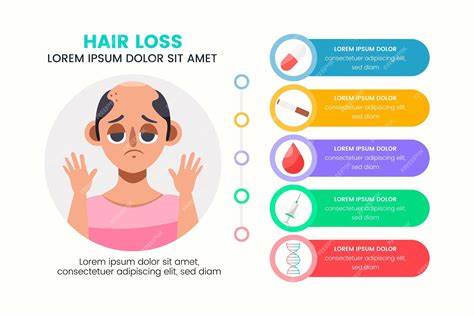
Alopecia areata is an autoimmune disorder causing patchy hair loss usually on the scalp but it may affect other hairy areas. It can emerge suddenly at any age group with variable progression patterns among individuals.
- Main symptomatology:Smooth round bald patches devoid of scarring are the hallmark sign noticed by patients or caregivers early-onset hair loss events prompt consultation .
- Causation: An immune system attack targeted towards hair follicles causes disruption of normal hair growth cycles leading to shedding |
- |Diagnosis: clinical examination backed up occasionally by scalp biopsy may confirm exclusion of other causes such as fungal infections |
- |Treatment options involve corticosteroid injections locally into lesions to promote regrowth supplemented sometimes by topical immunotherapy agents |
- |Prognosis varies widely - some experience complete regrowth while others face recurrent episodes requiring ongoing management
A supportive approach addressing psychological impact alongside medical therapy offers the best outcomes for those grappling with alopecia areata|
MELASMA
This pigmentary disorder leads to symmetrical brownish patches mainly on sun-exposed facial areas such as cheeks and forehead. Melasma most commonly affects women during hormonal changes like pregnancy or use of oral contraceptives.
- Pigmentation cause: Increased melanin production triggered by ultraviolet radiation combined with hormonal influences results in characteristic discoloration.
- Differential diagnosis: Confirmed through visual examination aided by Wood's lamp inspection if needed to distinguish from other pigmentation disorders.
- Treatment strategies: Focus on strict sun protection using broad-spectrum sunscreens along with topical depigmenting agents like hydroquinone or azelaic acid.
- An important note:The condition tends to be persistent but manageable; recurrence is common if precautions lapse after treatment cessation.
A tailored regimen including sun avoidance remains key to achieving noticeable fading of pigmented patches over months of therapy.
ECZEMA (ATOPIC DERMATITIS)
Eczema is a frequently occurring inflammatory skin disorder characterized by dry, itchy patches that can appear anywhere on the body. It is especially common among children but persists into adulthood in many cases.
- Main features: Intense itching alongside redness, swelling and occasional oozing or crusting marks affected areas.
- Underlying causes: A combination of genetic tendencies and environmental factors like allergens contribute to eczema development.
- Diagnosis process: Primarily clinical assessment supported by medical history identifying triggers such as soaps or foods.
- Treatment approaches: Emollients for hydration plus topical corticosteroids during flare-ups remain standard care; antihistamines can ease itching.
Lifestyle modifications minimizing irritants alongside consistent skincare regimens greatly aid in controlling eczema symptoms effectively over time.
PSORIASIS
This chronic autoimmune condition causes rapid skin cell buildup resulting in scaly patches. It can affect any age group but commonly starts between 15-35 years.
- Signs: Red plaques covered with silvery scales appearing on elbows, knees, scalp are typical manifestations.
- Causative factors: Genetic predisposition along with triggers such as infections or stress play role in flare-ups.
- Diagnostic steps: Clinical evaluation combined with skin biopsy if diagnosis is uncertain.
- Treatment modalities: Topical corticosteroids, vitamin D analogues, phototherapy and systemic immunosuppressants are used based on severity.
- Living with psoriasis: Patients should avoid known triggers and regularly moisturize affected areas to reduce scaling and itching.
A carefully monitored treatment plan helps control symptoms and improve quality of life for patients dealing with this long-term disorder.
ACNE VULGARIS
Acne vulgaris is a common skin condition affecting many adolescents and adults. It manifests as pimples, blackheads, and cysts primarily on the face, chest, and back.
- Causes: Hormonal changes, excess oil production, and bacterial overgrowth contribute to acne formation.
- Symptoms: Persistent pimples, whiteheads, blackheads, and sometimes painful cysts or nodules may appear.
- Diagnosis: Usually based on clinical examination by a dermatologist evaluating skin lesions.
- Treatment options: Include topical retinoids, antibiotics, hormonal therapy, and in severe cases isotretinoin.
- Management: Gentle skincare routines avoiding harsh scrubbing help minimize irritation.
A proactive approach combining medication and lifestyle modifications often leads to improved skin texture and reduced acne flare-ups.