
Dr Omkar Hajirnis
About Me
Dr Omkar Hajirnis
Pediatrician
Biography
My Clinic
OPD Hours
| Tuesday | Morning | 10:00 AM | - | 02:00 PM |
| Evening | 06:00 PM | - | 09:00 PM | |
| Wednesday | Morning | 10:00 AM | - | 02:00 PM |
| Evening | 06:00 PM | - | 09:00 PM | |
| Thursday | Morning | 10:00 AM | - | 02:00 PM |
| Evening | 06:00 PM | - | 09:00 PM | |
| Friday | Morning | 10:00 AM | - | 02:00 PM |
| Evening | 06:00 PM | - | 09:00 PM | |
| Saturday | Morning | 10:00 AM | - | 02:00 PM |
| Evening | 06:00 PM | - | 09:00 PM | |
| Sunday | Morning | 10:00 AM | - | 02:00 PM |
| Evening | 06:00 PM | - | 09:00 PM | |
| Thursday | Morning | 10:00 AM | - | 02:00 PM |
| Evening | 06:00 PM | - | 09:00 PM |
Treatments
Specialised care and treatments offered
GASTROENTERITIS

Gastroenteritis is an infection that causes inflammation of the stomach and intestines leading to symptoms such as diarrhea and vomiting. It's commonly referred to as a stomach bug or stomach flu among younger populations who are particularly vulnerable due to their immune systems still developing.
- Symptoms: Symptoms typically include watery diarrhea, vomiting, abdominal cramping or pain accompanied by fever or headache in some instances.
PNEUMONIA
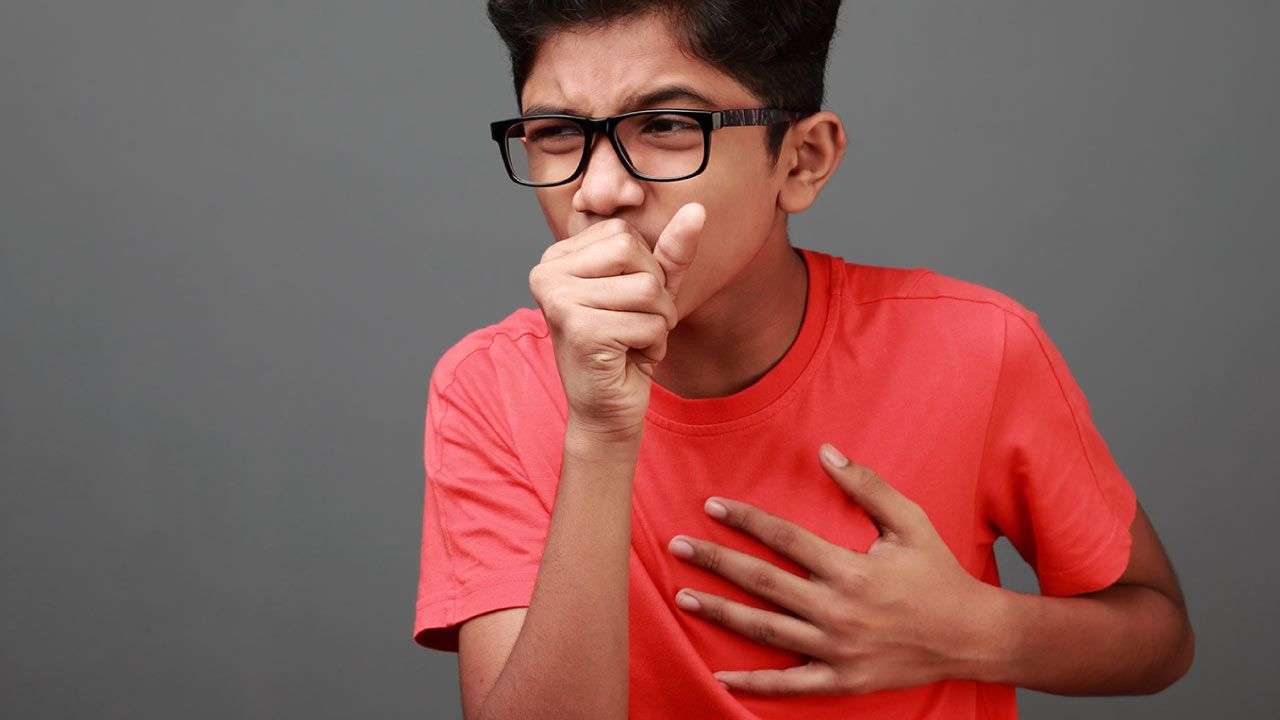
Pneumonia is an infection that inflames the air sacs in one or both lungs. In children, pneumonia can be caused by bacteria, viruses, or fungi. It’s vital for parents to recognize its symptoms early on.
- Symptoms: Key indicators include high fever, cough producing phlegm, difficulty breathing or rapid breathing, fatigue, and occasionally abdominal pain due to coughing fits.
- Causes: Various pathogens can cause pneumonia; among them are Streptococcus pneumoniae bacteria and viruses such as influenza virus or RSV.
- Diagnosis: A complete evaluation including physical exams and diagnostic imaging such as chest X-rays helps confirm pneumonia signs. Blood tests may also assist in identifying the causative agent.
- Treatment: Treatment generally includes antibiotics for bacterial pneumonia while viral cases may require supportive care with symptomatic relief measures.
- What to expect: Most healthy children recover completely from pneumonia within a few weeks with appropriate treatment; follow-up visits ensure no underlying issues persist post-recovery.
Pneumonia detection allows timely intervention leading to better outcomes for young patients struggling with this illness.
BRONCHIOLITIS

Bronchiolitis is a common viral infection in infants and young children that leads to inflammation of the small airways in the lungs. It typically occurs in seasons when viruses such as RSV circulate widely.
- Symptoms: Look for signs like cough, wheezing, difficulty breathing, rapid breathing, or fever. Symptoms can escalate quickly in very young children.
- Causes: The primary cause of bronchiolitis is viral infections. Respiratory syncytial virus (RSV) is often responsible for outbreaks in nursery settings.
- Diagnosis: Diagnosis usually involves a physical examination where your pediatrician will listen to the lungs and may perform tests like chest X-rays if severe.
- Treatment: Treatment focuses on supportive care; ensuring adequate hydration and sometimes using medications to relieve wheezing or respiratory distress may be necessary.
- What to expect: Most children recover from bronchiolitis within two weeks. However, monitoring is essential as complications can arise in infants under six months old.
Catching bronchitis early helps provide appropriate care and support for affected children during recovery.
ASTHMA

Asthma is a chronic condition that affects the airways in the lungs, making it difficult for children to breathe normally. It can manifest through various symptoms and requires ongoing management to ensure children can lead an active life.
- Symptoms: Common symptoms include wheezing, shortness of breath, chest tightness, and coughing, which may worsen at night or during physical activities.
- Causes: Asthma triggers may include allergens like pollen, dust mites, smoke, respiratory infections, and exercise.
- Diagnosis: A pediatrician usually diagnoses asthma through a detailed medical history, physical examination, and tests like spirometry to measure lung function.
- Treatment: Management options often involve inhalers for immediate relief and long-term control medications that reduce inflammation.
- What to expect: With proper management, most children with asthma can control their symptoms effectively and minimize interference with daily activities.
Understanding asthma is key to managing it successfully and enabling children to thrive despite the condition.