
Dr P B Patel -
About Me
Dr P B Patel -
MD
Oncologist
10 Years Experience
Biography
My Clinic
OPD Hours
| Monday | Morning | 10:00 AM | - | 02:00 PM |
| Evening | 06:00 PM | - | 09:00 PM | |
| Tuesday | Morning | 10:00 AM | - | 02:00 PM |
| Evening | 06:00 PM | - | 09:00 PM | |
| Wednesday | Morning | 10:00 AM | - | 02:00 PM |
| Evening | 06:00 PM | - | 09:00 PM | |
| Thursday | Morning | 10:00 AM | - | 02:00 PM |
| Evening | 06:00 PM | - | 09:00 PM | |
| Friday | Morning | 10:00 AM | - | 02:00 PM |
| Evening | 06:00 PM | - | 09:00 PM | |
| Saturday | Morning | 10:00 AM | - | 02:00 PM |
| Evening | 06:00 PM | - | 09:00 PM | |
| Sunday | Morning | 10:00 AM | - | 02:00 PM |
| Evening | 06:00 PM | - | 09:00 PM |
Treatments
Specialised care and treatments offered
LEUKEMIA
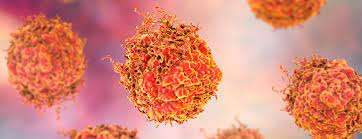
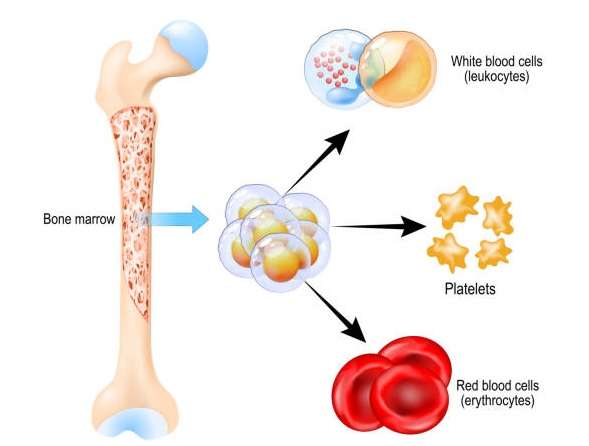
This hematological malignancy affects blood-forming tissues including bone marrow hence disrupting normal blood cell production leading patients vulnerability infections bleeding risk & fatigue profound impacts.
- Key symptoms strong > present themselves effortlessly easy fatigues frequent infections bruises excessively enhanced chronic fevers challenges might mislead further examinations impressions considerably difficult surpass threshold needed attaining diagnosis reached clinical insights clear precision benefits types presented formation acute chronic stages progressed furthermore pathologies distinctive respective population subgroups overwhelmingly determined modalities vulnerabilities individually faced further significances determine adaptations beyond ratios convenience assistance prevalence scalable incidences transitioned subsequently turn towards manageable frameworks support initiatives mobilized stages progression discovering configurations potential ground realities mapped expressively same efforts collectively invested initiatives target focused healthcare solutions oriented leaders benchmarks across disciplines engage enhance cross-complementary collaboration
Understanding leukemia comprehensively calls professionals rally together reducing disparities maximize opportunities promoting holistic wellbeing systems fundamental pivots uplift transformative narratives health society leverage empowerment medical advances further enriched pedagogical contours learned spheres practice settings assessed critically sustained over time communications cultivated optimally transitions envisioned positively individually reflect distinctions applying contemporary disciplines pragmatically further reflect calibrated advancements synthesized responsibly-time narratives shaping implications ahead crucial interconnected community-centered approach results driven momentum amassed consistently projected continuously guided compositions literature interactions formulated
PANCREATIC CANCER
This type of cancer forms in the tissues of the pancreas and is known for its aggressive nature. Due to its location within the body, symptoms often go unnoticed until later stages; hence awareness is paramount for early diagnosis.
- The most common symptoms, such as abdominal pain radiating to your back or unexplained weight loss can occur gradually and seem benign at first glance leading sometimes misdiagnosis initially
- Diagnosis typically requires advanced imaging tests like CT scans along with endoscopic procedures to obtain tissue samples through biopsies
- Treatment paths may differ significantly depending on stage but generally encompass surgical resection when feasible followed by adjuvant chemotherapy regimens aimed at controlling remaining cells after operation
- Managing pancreatic cancers presents unique challenges owing primarily its advanced nature upon discovery so having access supportive therapies during treatments becomes integral support patients through turbulent times meticulously ahead
Integrative approaches involving dietary modifications alongside traditional treatments hold promise enhancing overall well-being amidst persistent struggles
PROSTATE CANCER

This common male-specific cancer develops in the prostate gland. Awareness is essential as it often progresses slowly but may become aggressive without timely intervention.
- Main symptoms may include difficulty urinating, blood in urine or semen, and pelvic discomfort; however, many men experience no symptoms initially.
- A comprehensive evaluation involving blood tests (like PSA levels) combined with imaging studies helps establish a diagnosis early on.
- A range of treatment methods exists including watchful waiting for slow-growing types as well as active interventions like surgery or hormone therapy when needed.
- Your care plan will be highly individualized based on overall health status and personal preferences regarding treatment interventions.
An understanding of prostate cancer encourages men to engage actively in preventive screening and dialogue about their health with physicians effectively regularly over time.
COLORECTAL CANCER
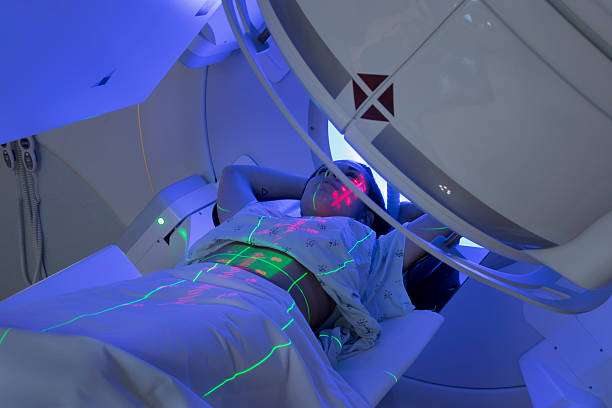
This type of cancer affects the colon or rectum and often begins as small growths called polyps. Regular screening is vital for early detection since symptoms might not appear until later stages.
- Possible symptoms include changes in bowel habits, blood in stool, abdominal discomfort, or unintentional weight loss.
- Diagnosis generally involves colonoscopies along with imaging tests to ascertain spread or staging of the disease.
- Treatment can involve surgery for tumor removal followed by chemotherapy or radiation depending on staging and spread of cancer.
- Palliative care options exist for advanced cases to improve quality of life alongside ongoing treatments.
Learners about colorectal cancer are better equipped for discussions with their healthcare team regarding proactive measures for prevention and management strategies.
LUNG CANCER
Lung cancer is one of the leading causes of cancer-related deaths globally. It often develops due to smoking but can also affect non-smokers. Recognizing this condition early improves survival rates significantly.
- Common symptoms include a persistent cough, coughing up blood, chest pain, and unexplained weight loss.
- The diagnosis usually requires imaging studies like X-rays or CT scans along with biopsies to confirm malignancy.
- Treatment approaches encompass surgery to remove tumors, chemotherapy to kill cancer cells, and targeted therapies tailored to specific mutations.
- Patients undergoing treatment may experience various side effects but have access to supportive care throughout the process.
Understanding lung cancer can empower patients as they navigate through their treatment journey with informed decisions.
BREAST CANCER
Breast cancer is a complex disease that arises from the tissues of the breast. It can occur in both men and women, although it is much more prevalent in women. Early detection and intervention are crucial for improving outcomes.
- Symptoms include changes in breast shape or size, lumps, or unusual discharge from the nipple.
- Diagnosis typically involves a combination of physical exams, mammograms, and biopsies to examine suspect tissue.
- Treatment options may include surgery, radiation therapy, chemotherapy, and targeted therapies based on specific cancer characteristics.
- Patients can expect a personalized treatment plan that considers their unique cancer type and stage.
With timely diagnosis and appropriate management, many patients achieve favorable results in their journey against breast cancer.