
Dr P C Joshi
About Me
Dr P C Joshi
MD
Cardiologist
10 Years Experience
Biography
My Clinic
OPD Hours
| Monday | Morning | 10:00 AM | - | 02:00 PM |
| Evening | 06:00 PM | - | 09:00 PM | |
| Tuesday | Morning | 10:00 AM | - | 02:00 PM |
| Evening | 06:00 PM | - | 09:00 PM | |
| Wednesday | Morning | 10:00 AM | - | 02:00 PM |
| Evening | 06:00 PM | - | 09:00 PM | |
| Thursday | Morning | 10:00 AM | - | 02:00 PM |
| Evening | 06:00 PM | - | 09:00 PM | |
| Friday | Morning | 10:00 AM | - | 02:00 PM |
| Evening | 06:00 PM | - | 09:00 PM | |
| Saturday | Morning | 10:00 AM | - | 02:00 PM |
| Evening | 06:00 PM | - | 09:00 PM | |
| Sunday | Morning | 10:00 AM | - | 02:00 PM |
| Evening | 06:00 PM | - | 09:00 PM |
Treatments
Specialised care and treatments offered
ATRIAL FIBRILLATION

Atrial fibrillation (AFib) represents one of the most prevalent forms of arrhythmia characterized by rapid disorganized electrical impulses causing ineffective pumping patterns within the upper chambers ('atria') within your heart! Early detection aids creating significant benefits combatively against further complications linked directly reducing stroke incidents down road!
CHOLESTEROL MANAGEMENT
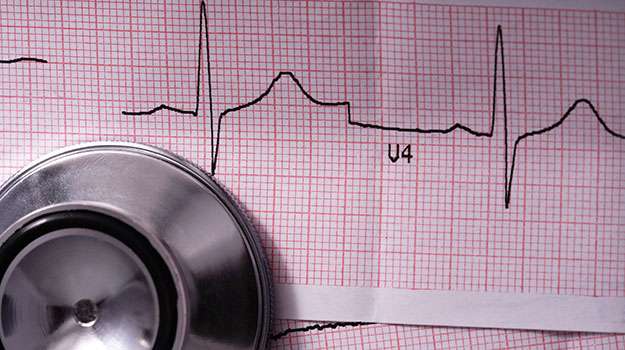
Lipid disorders leading to abnormal cholesterol levels can significantly impact cardiovascular health. Proper management plays a critical role in preventing diseases related to the heart consequently improving overall well-being.
- Symptoms : Most individuals remain unaware due testing unless suffering complications from existing conditions .
- Causes : Unhealthy dietary choices combined with sedentary lifestyles increase risks contributing towards elevated cholesterol levels especially LDL ('bad' cholesterol).
- Diagnosis : Blood tests assessing total cholesterol including HDL ('good') component are quintessential periodic checks essential identifying elevations .
- Treatment : First-line options emphasize healthy eating habits coupled regular physical activity ; when necessary medications (statins) prescribed help lower bad cholesterols effectively reducing cardiovascular risks .
- Expectations : Consistent monitoring after initiation therapies allows patients successfully maintain target ranges ensuring fewer complications arise .
; Developing personalized plans engaging both provider team ensures successful long-term managing chronic lipid conditions addressing individualized patient requirements it optimally improves their life style choices handsomely returning precious energy vitality back into living fully! ;
ARRHYTHMIAS
An arrhythmia is an irregular heartbeat that can manifest as either rapid or slow pacing. While some types are benign, others may pose significant health risks. Recognizing symptoms is crucial for timely intervention in arrhythmias.
- Symptoms: Individuals may feel palpitations; some might experience dizziness or fainting spells associated with arrhythmias.
- Causes: Factors contributing may include electrolyte imbalances, existing heart diseases, stress levels or excessive caffeine intake.
- Diagnosis:
HEART FAILURE
Heart failure is a complex condition where the heart cannot pump enough blood to meet the body's needs. It can occur due to various underlying conditions affecting heart function. Understanding this condition empowers patients to engage in their care actively.
- Symptoms: Common signs include fatigue, swelling in legs/abdomen, difficulty breathing during exertion or while lying down.
- Causes: Causes may range from coronary artery disease to hypertension or previous heart attacks leading to weakened heart muscles.
- Diagnosis: Diagnosis often involves physical exams along with imaging tests like echocardiograms or MRIs to assess heart function.
- Treatment: Management typically includes medications such as ACE inhibitors or diuretics alongside lifestyle changes like diet modification and exercise programs tailored for individual capabilities.
An informed approach toward managing heart failure contributes significantly to improving quality of life through symptom control and adherence to treatment regimens.
HYPERTENSION
Hypertension, commonly known as high blood pressure, is a condition where the force of blood against the artery walls is too high. It often develops over many years and can lead to serious health issues if left untreated. Awareness of this silent condition is vital for prevention.
- Symptoms: Often asymptomatic initially but can cause headaches, nosebleeds, or shortness of breath in severe cases.
- Causes: Factors include obesity, lack of physical activity, excessive salt intake, stress, and genetics.
- Diagnosis: Regular monitoring of blood pressure readings during doctor's visits helps determine hypertension presence.
- Treatment: Lifestyle modifications are essential; medications may also be needed to maintain healthy blood pressure levels.
- Expectations: With adherence to treatment plans and lifestyle changes, most people can manage their hypertension effectively.
A proactive approach to hypertension involves routine check-ups and engagement with healthcare providers for optimal management strategies.
CORONARY ARTERY DISEASE
Coronary artery disease (CAD) is a common heart condition that arises when the coronary arteries become narrowed or blocked due to the buildup of cholesterol and fatty deposits. This condition can lead to chest pain, heart attacks, and other serious complications. Understanding CAD is crucial for effective management.
- Symptoms: People may experience chest discomfort, shortness of breath, fatigue, and in severe cases, heart attack.
- Causes: Major contributors include high cholesterol, high blood pressure, smoking, obesity, and a sedentary lifestyle.
- Diagnosis: A healthcare provider may recommend tests like an ECG, echocardiogram, or coronary angiography to assess heart health.
- Treatment: Management options include lifestyle changes such as diet and exercise, medications like statins or aspirin, and procedures such as angioplasty or bypass surgery in severe cases.
- Expectations: With proper treatment and lifestyle modifications, many individuals can effectively manage CAD and lead a full life.
A comprehensive approach involving education about risk factors and regular check-ups is essential for those at risk for coronary artery disease.