
Dr P S Parmar
About Me
Dr P S Parmar
MBBS
General Physician
10 Years Experience
Biography
My Clinic
OPD Hours
| Monday | Morning | 10:00 AM | - | 02:00 PM |
| Evening | 06:00 PM | - | 09:00 PM | |
| Tuesday | Morning | 10:00 AM | - | 02:00 PM |
| Evening | 06:00 PM | - | 09:00 PM | |
| Wednesday | Morning | 10:00 AM | - | 02:00 PM |
| Evening | 06:00 PM | - | 09:00 PM | |
| Thursday | Morning | 10:00 AM | - | 02:00 PM |
| Evening | 06:00 PM | - | 09:00 PM | |
| Friday | Morning | 10:00 AM | - | 02:00 PM |
| Evening | 06:00 PM | - | 09:00 PM | |
| Saturday | Morning | 10:00 AM | - | 02:00 PM |
| Evening | 06:00 PM | - | 09:00 PM | |
| Sunday | Morning | 10:00 AM | - | 02:00 PM |
| Evening | 06:00 PM | - | 09:00 PM |
Treatments
Specialised care and treatments offered
THYROID DISORDERS
Your thyroid plays a key role in metabolism regulation; thus disorders affecting its function can have widespread effects on your body. Proper diagnosis and treatment are essential for maintaining optimal health.
- Common Disorders: Hypothyroidism (underactive) leads to fatigue while hyperthyroidism (overactive) may cause unexplained weight loss among others generally impacting daily functioning.
- Symptoms: Alerting signs vary but can include weight fluctuations combined with mood changes distinctive elevations in energy levels respectively amongst others.
- Diagnosis Process: Blood tests measuring hormone levels will confirm diagnoses effectively whilst comprehensive evaluations contextualize symptomatic expressions accurately enhancing understanding overall.
- Treatment Options: Treatments range from hormone replacement therapies for hypothyroidism through anti-thyroid medications impacting hyperfunctionality significantly targeting effective balance restoration overall.
If unaddressed these disorders could escalate into comprehensive systemic impacts necessitating attention promptly significantly improving livability immensely once under control adequately managing day-to-day comfort levels sustainably throughout one's life journey together successfully achieving longevity goals holistically managed effectively too!
HEART DISEASE RISK ASSESSMENT

A cardiovascular risk assessment evaluates factors that contribute to heart diseases such as coronary artery disease. Understanding your risk allows for preventive measures that promote heart health.
- Risk Factors: Key factors include high cholesterol levels, hypertension, diabetes history, family history of heart disease, smoking habits among others.
- Symptoms: Some individuals remain asymptomatic until critical conditions develop; however some may experience chest pain during strain.
- Diagnostic Tests: Healthcare providers often conduct lipid panels and other specialized tests to gauge heart health metrics.
- Preventive Strategies: Recommendations encompass lifestyle changes encompassing nutrition adjustments alongside regular physical activity complemented by monitoring indicators closely.
Proactive assessments empower patients to make informed decisions regarding their cardiovascular health while addressing risks early on enhances longevity significantly.
GASTROESOPHAGEAL REFLUX DISEASE (GERD)
A common gastrointestinal disorder known as GERD occurs when stomach acid frequently flows back into the esophagus. Its management is crucial for comfort and prevention of further issues.
- Symptoms: Typical symptoms include heartburn, regurgitation of food or sour liquid, and difficulty swallowing.
- Causal Factors: Factors contributing to GERD include obesity, diet choices like fatty foods or caffeine, and smoking habits.
- Treatment Strategies:Treatment usually starts with lifestyle modifications such as avoiding trigger foods along with medications like proton pump inhibitors (PPIs).
The goal of treatment is alleviating symptoms while preventing potential complications like esophagitis or Barrett's esophagus affecting long-term outcomes positively.
RESPIRATORY INFECTIONS
Respiratory infections encompass a range of illnesses, including bronchitis and pneumonia. These conditions can vary in severity; proper understanding aids in timely intervention.
- Causes: Infections can be viral or bacterial in origin; exposure to irritants like smoke can also provoke symptoms.
- Symptoms: Common manifestations include cough, fever, shortness of breath, and chest discomfort.
- Diagnostic Procedures: Healthcare providers often utilize chest X-rays or sputum tests to identify the underlying cause of the infection.
- Treatment Options: Depending on the cause, treatments might range from antibiotics for bacterial infections to over-the-counter medications for symptom relief in viral cases.
Efficacious management significantly improves recovery time and reduces the risk of serious complications from respiratory infections.
DIABETES MANAGEMENT

Diabetes is a chronic condition that affects how your body processes glucose. Proper management can prevent complications and improve quality of life significantly.
- Types of Diabetes: There are different types: Type 1 (insulin-dependent) and Type 2 (often lifestyle-related).
- Symptoms: Common symptoms include excessive thirst, frequent urination, fatigue, and blurred vision.
- Diagnosis: Blood tests measuring glucose levels are used for diagnosis. Routine screening is recommended for individuals at risk.
- Treatment Approaches: Treatment may involve insulin therapy or oral medications combined with dietary changes and exercise plans tailored to individual needs.
A consistent management plan can markedly enhance one's wellbeing and help avert further health issues associated with diabetes.
HYPERTENSION MANAGEMENT
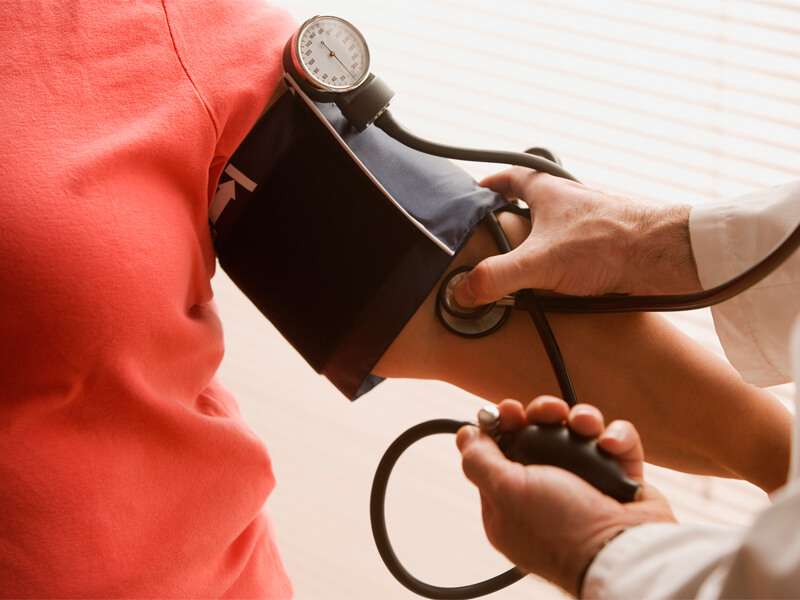
Hypertension, or high blood pressure, is a common yet serious condition that can lead to severe health complications when not properly managed. Recognizing its signs and symptoms early on is essential for effective treatment.
- Symptoms: Many individuals may not exhibit noticeable symptoms, but some may experience headaches, shortness of breath, or nosebleeds.
- Diagnosis: Diagnosis typically involves regular blood pressure monitoring in a clinical setting and at home.
- Treatment Options: Management strategies include lifestyle changes such as diet modifications and increased physical activity, alongside medications like diuretics or ACE inhibitors.
- Regular Monitoring: Regular follow-ups are crucial to ensure your hypertension remains controlled and to adjust medications as necessary.
If left unchecked, hypertension can lead to heart disease or stroke, making ongoing management vital for overall health.