
Dr Pahlajani Dev B
About Me
Dr Pahlajani Dev B
Cardiologist
Biography
My Clinic
OPD Hours
| Tuesday | Morning | 10:00 AM | - | 02:00 PM |
| Evening | 06:00 PM | - | 09:00 PM | |
| Wednesday | Morning | 10:00 AM | - | 02:00 PM |
| Evening | 06:00 PM | - | 09:00 PM | |
| Thursday | Morning | 10:00 AM | - | 02:00 PM |
| Evening | 06:00 PM | - | 09:00 PM | |
| Friday | Morning | 10:00 AM | - | 02:00 PM |
| Evening | 06:00 PM | - | 09:00 PM | |
| Saturday | Morning | 10:00 AM | - | 02:00 PM |
| Evening | 06:00 PM | - | 09:00 PM | |
| Sunday | Morning | 10:00 AM | - | 02:00 PM |
| Evening | 06:00 PM | - | 09:00 PM | |
| Thursday | Morning | 10:00 AM | - | 02:00 PM |
| Evening | 06:00 PM | - | 09:00 PM |
Treatments
Specialised care and treatments offered
VALVULAR HEART DISEASE

This term encompasses various conditions affecting how well valves operate within the heart structure—essentially regulating blood flow direction throughout cardiac cycles! Valvular diseases often necessitate careful assessment as they pose significant health risks if untreated alike other cardiac issues regarded seriously by specialists!
CHOLESTEROL MANAGEMENT
The management of cholesterol levels plays a pivotal role in maintaining cardiovascular health. High cholesterol can lead to plaque formation in arteries which increases cardiovascular risks dramatically over time.
- Mainly caused by poor dietary choices combined with lack of exercise,symptoms themselves are not evident; many individuals do not realize they have high cholesterol until screenings reveal it during routine exams.
- This condition is diagnosed through simple blood tests measuring lipid profiles including LDL (bad cholesterol), HDL (good cholesterol), and triglycerides levels particularly useful for assessing risk levels for future cardiac events!
Treatment strategies typically emphasize lifestyle modifications — adopting healthier eating patterns low in saturated fats along with increased physical activity can profoundly impact cholesterol levels positively. In some cases,medications, known as statins might also be necessary upon discussion with your healthcare professional regarding risks versus rewards involved.
Routine check-ups help keep track of progress toward achieving optimal cholesterol goals!
HYPERTENSION
Hypertension, commonly known as high blood pressure, is a prevalent condition that significantly raises the risk of heart disease and stroke if left untreated. Understanding its implications is critical for effective management.
- The major symptoms are often silent; some may experience headaches or nosebleeds during severe cases but many remain asymptomatic until complications arise.
- Disease diagnosis typically involves routine blood pressure measurements during visits alongside assessments of associated factors like family history and lifestyle habits.
- Lifestyle changes including a balanced diet rich in fruits/vegetables along with regular physical activity form the foundation of treatment. Medications might also be prescribed when lifestyle modifications alone are insufficient for control.
A proactive approach toward monitoring blood pressure regularly helps prevent long-term complications associated with hypertension. Regular consultations with healthcare providers are advisable for optimal management strategies tailored to individual needs.
ARRHYTHMIA
An arrhythmia refers to an irregular heartbeat that can occur when the electrical impulses that coordinate heartbeats don’t function properly. This condition can affect anyone at any age and varies in severity from benign to life-threatening.
- Common symptoms include palpitations, dizziness, chest discomfort, or fainting spells.
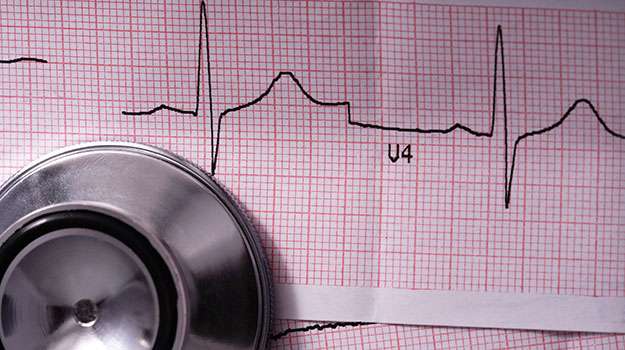
- Your doctor may carry out a variety of tests including an Echocardiogram, Holter monitor study or electrocardiogram (ECG) to diagnose arrhythmias accurately.
- Treatment options often consist of medications that regulate heart rhythm or rate and lifestyle changes focusing on cardiovascular health.
- If necessary, procedures such as ablation therapy or implanting a pacemaker may be considered based on the type and severity of the arrhythmia.
A comprehensive approach is essential in managing arrhythmias effectively while ensuring patients understand their specific conditions thoroughly for better outcomes.
HEART FAILURE
Heart failure is a complex condition where the heart is unable to pump effectively, leading to insufficient blood flow for daily activities. This can progressively worsen if not managed properly.
- The main symptoms include persistent coughing, fatigue, and swelling in the legs and abdomen.
- A diagnosis often includes a detailed medical history, physical examination, and imaging tests like echocardiograms.
- Treatment usually involves medications, lifestyle modifications such as low-sodium diets, and regular exercise routines.
- Advanced cases may require devices such as implantable cardioverter-defibrillators (ICDs) or even heart transplantation.
- Coping with heart failure involves ongoing monitoring and adjustments in treatment plans based on symptoms and response to therapy.
CORONARY ARTERY DISEASE
Coronary artery disease (CAD) is one of the leading causes of heart-related conditions. It occurs when the arteries supplying blood to the heart become narrowed or blocked due to plaque buildup, which can lead to serious complications.
- Symptoms may include chest pain, shortness of breath, and fatigue during physical activity.
- Diagnosis typically involves a physical examination, alongside tests such as an ECG, stress test, or angiography.
- Treatment options may range from lifestyle changes, such as diet and exercise, to medications like statins and antiplatelet agents.
- Surgical interventions could be necessary in severe cases, including angioplasty or coronary artery bypass grafting (CABG).
- Persistent management is crucial for preventing further heart issues; routine follow-ups are recommended.
CAD requires proactive management and patient education about risk factors. Early intervention can significantly improve outcomes.