
Dr Pallavi Shah
About Me
Dr Pallavi Shah
General Physician
Biography
My Clinic
OPD Hours
| Tuesday | Morning | 10:00 AM | - | 02:00 PM |
| Evening | 06:00 PM | - | 09:00 PM | |
| Wednesday | Morning | 10:00 AM | - | 02:00 PM |
| Evening | 06:00 PM | - | 09:00 PM | |
| Thursday | Morning | 10:00 AM | - | 02:00 PM |
| Evening | 06:00 PM | - | 09:00 PM | |
| Friday | Morning | 10:00 AM | - | 02:00 PM |
| Evening | 06:00 PM | - | 09:00 PM | |
| Saturday | Morning | 10:00 AM | - | 02:00 PM |
| Evening | 06:00 PM | - | 09:00 PM | |
| Sunday | Morning | 10:00 AM | - | 02:00 PM |
| Evening | 06:00 PM | - | 09:00 PM | |
| Thursday | Morning | 10:00 AM | - | 02:00 PM |
| Evening | 06:00 PM | - | 09:00 PM |
Treatments
Specialised care and treatments offered
GASTROESOPHAGEAL REFLUX DISEASE (GERD)
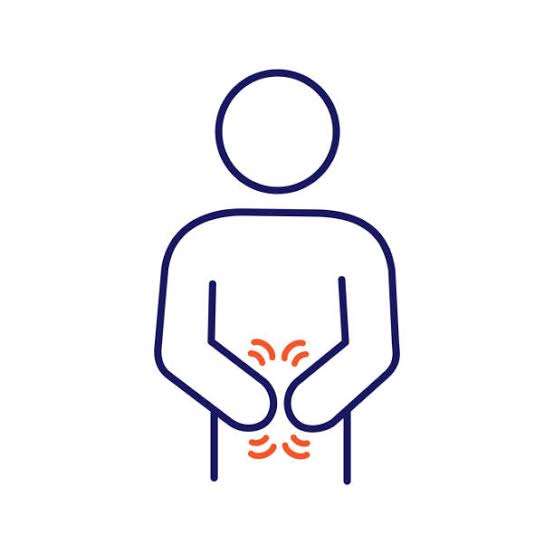
Gastroesophageal reflux disease (GERD) occurs when stomach acid frequently flows back into the esophagus causing irritation. This chronic condition can lead to significant discomfort if not managed appropriately over time.
- Symptoms commonly include heartburn, regurgitation of food or sour liquid, difficulty swallowing along with chest pain.
- Diagnosis often involves patient history review alongside endoscopic examinations or pH monitoring tests.
- Treatment may consist of dietary adjustments like avoiding trigger foods combined with medications aimed at reducing stomach acid production; surgical options exist for severe cases.
- Long-term management typically necessitates lifestyle modifications alongside ongoing medication regimens tailored specifically towards individual needs.
An individualized approach towards managing GERD enhances quality of life while reducing potential complications related gastrointestinal tract dysfunctions down-the-road.
THYROID DISORDERS

Thyroid disorders encompass various conditions affecting thyroid hormone production, which plays a vital role in metabolic regulation. Understanding these disorders enhances management choices available for patients.
- The most common conditions include hypothyroidism (underactive thyroid) and hyperthyroidism (overactive thyroid), each presenting unique symptoms such as weight changes or energy fluctuations.
- A thorough evaluation involving blood tests measuring TSH (Thyroid-Stimulating Hormone) levels aids in accurate diagnosis
- Treatment generally consists of hormone replacement therapy or anti-thyroid medications depending on the specific disorder
- Regular monitoring ensures their hormonal levels return to normal ranges while minimizing related complications
Taking an active role in managing thyroid disorders fosters better overall well-being.
ASTHMA
Asthma is a chronic respiratory condition that inflames and narrows the airways, leading to difficulty in breathing. Managing asthma effectively requires awareness of triggers and proper treatment strategies.
- The common symptoms include wheezing, coughing, chest tightness, and shortness of breath during physical activities or at night.
- A healthcare provider diagnoses asthma through medical history discussions, physical exams, and lung function tests such as spirometry.
- Treatment options range from using inhalers containing bronchodilators or corticosteroids to avoiding known triggers that exacerbate symptoms.
- Regular follow-up appointments help monitor asthma control and adjust treatments based on individual responses over time.
An informed approach towards managing asthma contributes significantly to improving quality of life for those affected by this respiratory ailment.
HYPERLIPIDEMIA
Hyperlipidemia refers to elevated levels of lipids in the bloodstream, which can increase the risk of cardiovascular diseases. Recognizing this condition early allows for better management strategies.
- This condition often has no noticeable symptoms but may lead to serious events like heart attack or stroke if not addressed.
- A lipid panel test helps diagnose hyperlipidemia by assessing cholesterol and triglyceride levels in the blood.
- Treatment generally involves lifestyle changes such as adopting a heart-healthy diet and increasing physical activity; medications may also be prescribed if necessary.
- Monitoring lipid levels regularly assists in evaluating the effectiveness of treatment plans and making adjustments when required.
An understanding of hyperlipidemia empowers individuals to take preventative measures toward their cardiovascular health.
DIABETES MELLITUS

Diabetes mellitus is a chronic condition that affects how your body processes glucose. Understanding this disease is crucial for effective management and maintaining overall health.
- The main types are Type 1, Type 2, and gestational diabetes; symptoms vary from increased thirst to frequent urination.
- A diagnosis typically involves blood tests measuring glucose levels, including fasting blood glucose or HbA1c tests.
- Management includes lifestyle modifications like diet control and physical activity, along with medications or insulin therapy for some patients.
- Regular monitoring of blood sugar levels is essential in preventing complications associated with diabetes, such as neuropathy or cardiovascular issues.
Staying proactive about managing diabetes can lead to a healthier life and reduced risk of severe health problems in the future.
HYPERTENSION
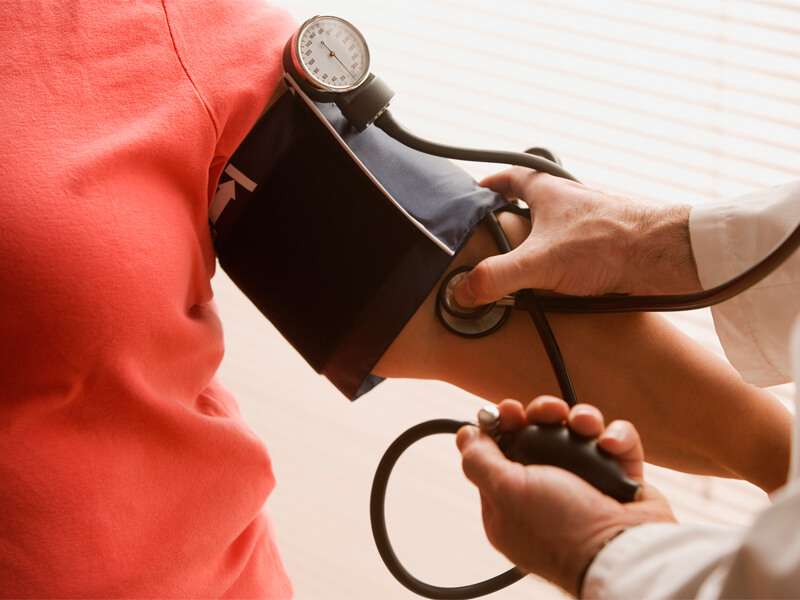
Hypertension, commonly known as high blood pressure, is a condition where the force of the blood against the artery walls is too high. It often has no symptoms but can lead to serious health complications if left untreated.
- Common symptoms may include headaches, shortness of breath, and nosebleeds.
- Diagnosis is typically made through regular blood pressure measurements and may involve additional tests to assess heart health.
- Treatment options include lifestyle changes such as diet and exercise, as well as medications like diuretics or ACE inhibitors.
- Managing hypertension requires regular check-ups and monitoring to adjust treatment plans effectively.
- Early intervention can significantly reduce the risk of associated complications like heart disease or stroke.
It’s essential for individuals diagnosed with hypertension to stay informed about their condition and adhere to prescribed management strategies for optimal health outcomes.