
Dr Pandey Bhagwatiprasad J
About Me
Dr Pandey Bhagwatiprasad J
Cardiologist
Biography
My Clinic
OPD Hours
| Tuesday | Morning | 10:00 AM | - | 02:00 PM |
| Evening | 06:00 PM | - | 09:00 PM | |
| Wednesday | Morning | 10:00 AM | - | 02:00 PM |
| Evening | 06:00 PM | - | 09:00 PM | |
| Thursday | Morning | 10:00 AM | - | 02:00 PM |
| Evening | 06:00 PM | - | 09:00 PM | |
| Friday | Morning | 10:00 AM | - | 02:00 PM |
| Evening | 06:00 PM | - | 09:00 PM | |
| Saturday | Morning | 10:00 AM | - | 02:00 PM |
| Evening | 06:00 PM | - | 09:00 PM | |
| Sunday | Morning | 10:00 AM | - | 02:00 PM |
| Evening | 06:00 PM | - | 09:00 PM | |
| Thursday | Morning | 10:00 AM | - | 02:00 PM |
| Evening | 06:00 PM | - | 09:00 PM |
Treatments
Specialised care and treatments offered
VALVULAR HEART DISEASE

Valvular heart disease involves damage or dysfunction of one or more valves within your heart—an issue that can impair proper hemodynamic function over time!
- Commonly observed symptoms include fatigue , shortness breath , palpitations aggravating situations combined presence previous cardiovascular conditions history present patient engagements involved might require further diagnostic workup accomplished through echocardiography among others standard techniques make accurate assessments available matching clinical findings!
- Management options encompass conducting regular monitoring therapeutic use medications moderation aiding dilation flow conditions existent valve repair replacement advisable surgical interventions required ultimately addressing root cause anatomy disturbances triggering valvular compromise!
- Preventative measures enabled daily routine enhancing dietary choices maintaining healthy weight actively engaging physical activity milieu promote longevity protect yourself from exacerbation future occurrences perceived functional decline seen earlier periods recommended visits specialists alongside adherence prescribed regimens improve chances positive outcomes anticipated ahead time!
Prompt identification appropriately treating valvular disorders significantly enhances quality life lived decreases likelihood debilitating impacts encountered navigating everyday life experiences everyone deserves optimal functioning hearts keeping them alive thriving passionately pursuing interests !
CORONARY ARTERY DISEASE
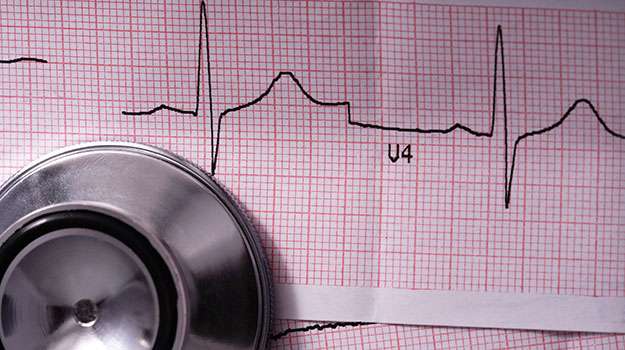
Coronary artery disease (CAD) occurs when the coronary arteries become narrowed or blocked due to plaque buildup. This impedes blood flow to the heart muscle itself leading potentially to angina or even myocardial infarction if severe enough over time without intervention!
- The most common symptoms are chest pain or discomfort experienced especially during physical exertion; additional signs could be shortness of breath fatigue when more progressive stages occur worsening angina episodes!
- Diagnosis frequently combines an assessment including stress testing imaging studies identifying blockages via angiography determining treatment pathways managing patient care thereafter based on individual risk factors found!
- Treatment approaches vary widely depending severity ranging from medications promoting improved lipid profiles anticoagulants dietary counseling lifestyle modifications minimally invasive interventions possibly culminating procedural strategies addressing underlying causes contributing CAD processes!
- Following up regularly ensures better prognostic outcomes measures taken controlling risk factors consistently maximize cardiovascular health benefits long term down road
Understanding this complex disease equips one navigate their healthcare journey effectively fostering better overall wellness!
HYPERTENSIVE CRISIS
A hypertensive crisis refers to a sudden increase in blood pressure that can lead to serious health complications. It often presents without clear warning signs but requires immediate medical attention to prevent organ damage.
- The typical symptoms may include severe headache, vision problems, chest pain, anxiety, or confusion due to elevated pressures affecting multiple body systems.
- This condition necessitates urgent evaluation using blood pressure measurements along with diagnostic tests like EKGs or blood tests for potential organ impairment assessment.
- Treatment typically begins with intravenous medications followed by oral antihypertensives once stability is achieved. Monitoring is critical during this period until pressures normalize safely.
- Persistent hypertension management involves regular monitoring along with lifestyle changes such as diet modification and exercise programs tailored individually for effective long-term control.
A prompt response during a hypertensive crisis can safeguard against serious outcomes; awareness of risks is vital for prevention strategies moving forward.
ATRIAL FIBRILLATION
Atrial fibrillation (AFib) is an irregular heartbeat that can lead to serious complications if left untreated. It affects how well the heart pumps blood throughout the body.
- Main symptoms may include palpitations, dizziness, fatigue, or even chest discomfort in some individuals.
- This condition is diagnosed through an electrocardiogram (EKG), which detects irregularities in heart rhythms alongside patient history evaluation.
- Treatment strategies often involve medications for rate control or rhythm restoration. In some cases, procedures such as cardioversion may be necessary.
- Lifestyle adjustments play a crucial role in managing AFib; these may include diet modification, stress reduction techniques, and avoiding stimulants like caffeine.
- Regular follow-up appointments are essential for monitoring the condition's progression and adapting treatment plans accordingly.
Taking proactive steps towards management can help maintain optimal heart health in individuals with AFib.
CONGESTIVE HEART FAILURE
Congestive heart failure (CHF) is a chronic condition in which the heart cannot pump effectively. This results in fluid buildup in the lungs and other body tissues, leading to various symptoms that affect daily living.
- The primary symptoms include fatigue, shortness of breath during activity or lying flat, and swelling in the legs or abdomen.
- Diagnosis often requires echocardiograms, blood tests, and sometimes chest X-rays to assess heart function and fluid status.
- Treatment options range from medications like diuretics and ACE inhibitors to lifestyle changes aimed at reducing strain on the heart.
- A comprehensive management plan may also include monitoring weight regularly to catch fluid retention early.
- The goal of therapy is to enhance quality of life and minimize symptoms' impact on daily activities.
A proactive approach can lead patients with CHF to live fulfilling lives despite their diagnosis.
ACUTE MYOCARDIAL INFARCTION
Acute myocardial infarction, commonly known as a heart attack, occurs when blood flow to a part of the heart is blocked. This condition can cause severe damage to the heart muscle if not treated promptly.
- Symptoms include chest pain, shortness of breath, sweating, nausea, and lightheadedness.
- This condition is diagnosed through a combination of clinical assessment, EKG changes, and blood tests that measure cardiac enzymes.
- Treatment typically involves medications such as antiplatelets, beta-blockers, and may include procedures like angioplasty or coronary artery bypass surgery.
- Management focuses on restoring blood flow quickly and preventing future events through lifestyle modifications and medication adherence.
- Pain relief and emotional support are also crucial parts of the treatment process.
Prompt recognition and treatment significantly improve outcomes for those experiencing a heart attack.