
Dr Pankaj Bansal Physician(Internal Medicine)Diabetes,Thyroid,Gastric,Chest Infection Greater Noida
About Me
Dr Pankaj Bansal Physician(Internal Medicine)Diabetes,Thyroid,Gastric,Chest Infection Greater Noida
MD
Internal Medicine
10 Years Experience
Biography
My Clinic
OPD Hours
| Monday | Morning | 10:00 AM | - | 02:00 PM |
| Evening | 06:00 PM | - | 09:00 PM | |
| Tuesday | Morning | 10:00 AM | - | 02:00 PM |
| Evening | 06:00 PM | - | 09:00 PM | |
| Wednesday | Morning | 10:00 AM | - | 02:00 PM |
| Evening | 06:00 PM | - | 09:00 PM | |
| Thursday | Morning | 10:00 AM | - | 02:00 PM |
| Evening | 06:00 PM | - | 09:00 PM | |
| Friday | Morning | 10:00 AM | - | 02:00 PM |
| Evening | 06:00 PM | - | 09:00 PM | |
| Saturday | Morning | 10:00 AM | - | 02:00 PM |
| Evening | 06:00 PM | - | 09:00 PM | |
| Sunday | Morning | 10:00 AM | - | 02:00 PM |
| Evening | 06:00 PM | - | 09:00 PM |
Treatments
Specialised care and treatments offered
ANNUAL PHYSICAL EXAMINATIONS
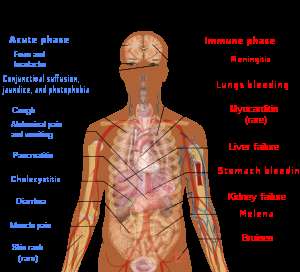
An annual physical examination serves as a fundamental aspect of preventive care. Regular evaluations promote early detection of potential health issues before they escalate into more severe conditions.
- Benefits: Targets risk factors through personalized care plans which enhance health maintenance across ages.
- Components: Usually encompasses vital sign checks alongside exams like BMI measurements plus labs depending upon existing risks/age group considerations.
- Frequency Recommendations:
PREVENTIVE CARE FOR GASTROESOPHAGEAL REFLUX DISEASE (GERD)
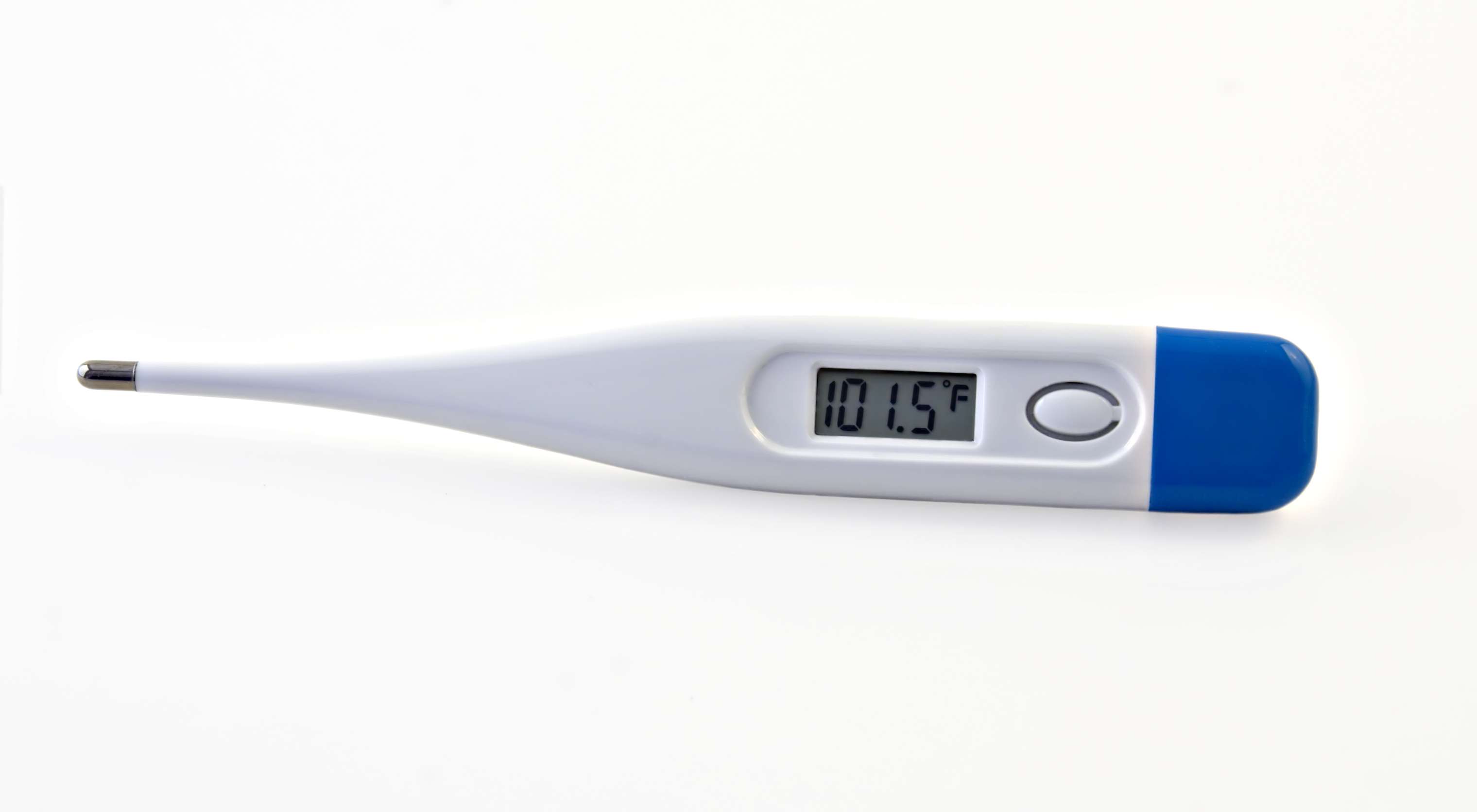
The management of GERD involves understanding its triggers and symptoms. This digestive condition occurs when stomach acid frequently flows back into the esophagus causing discomfort.
- Symptoms: Heartburn, regurgitation of food or sour liquid, trouble swallowing, coughing or wheezing especially when lying down at night.
- Causes: Obesity, pregnancy, smoking or consuming certain foods like citrus fruits or chocolate intensify GERD's effects.
- Diagnosis: Endoscopy helps visualize mucus membrane lining while pH monitoring measures acid reflux frequency.
- Treatment: Antacids relieve mild cases; severe instances may necessitate medications or surgery depending upon individual assessments.
Understanding these aspects leads individuals towards better dietary choices that help alleviate symptoms caused by GERD over time.
CHOLESTEROL SCREENING
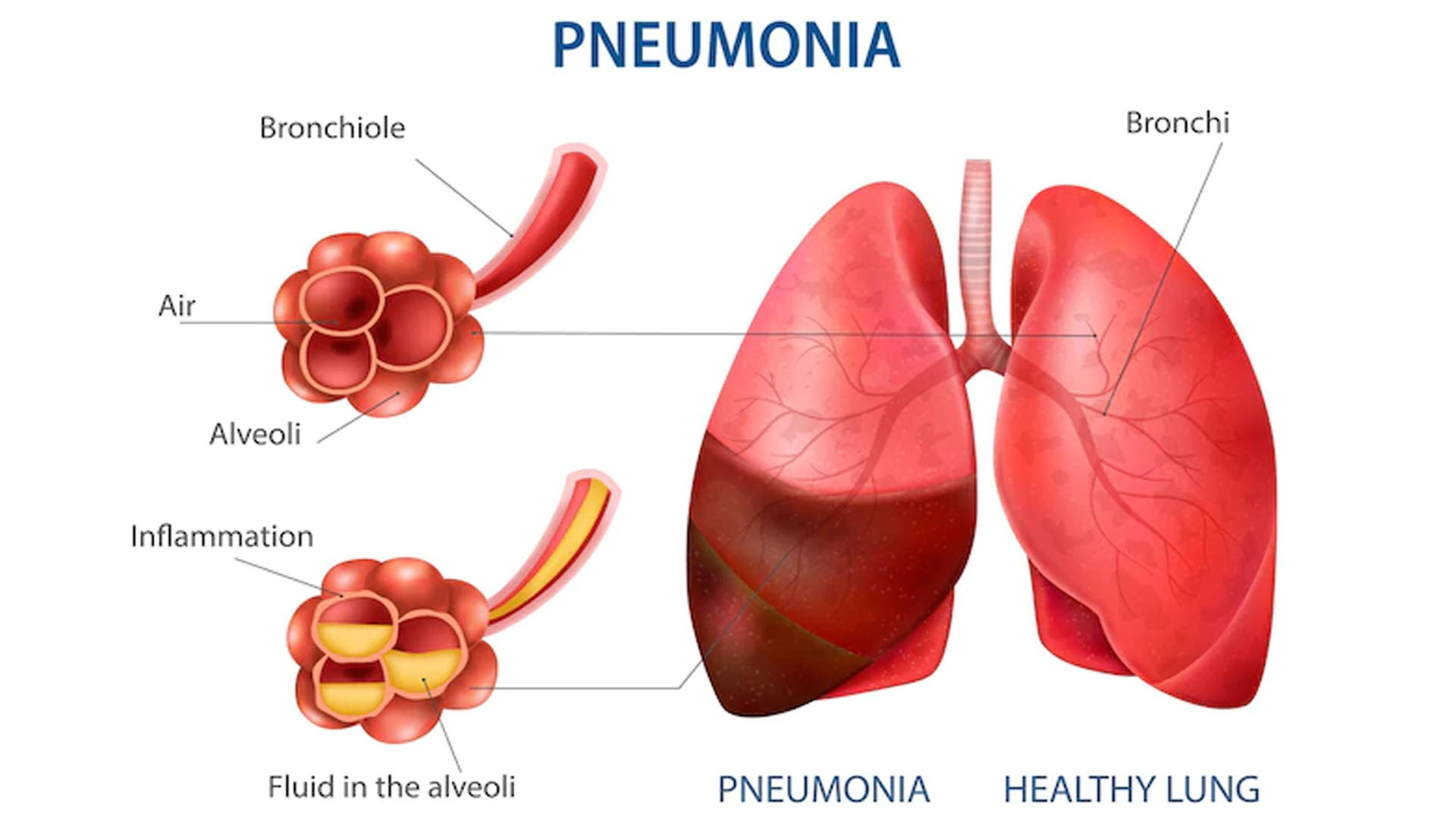
An important preventive measure against heart disease involves cholesterol screening. High cholesterol often goes unnoticed but poses substantial risks if left untreated.
- Causative Factors: Poor diet, obesity, genetics, and lack of exercise contribute to elevated cholesterol levels in the bloodstream.
- Symptoms: Generally asymptomatic; however, individuals may develop visible cholesterol deposits around eyes or joints over time if levels remain high long-term.
- Diagnosis: A lipid panel is performed to assess total cholesterol levels along with HDL (good) and LDL (bad) cholesterol components in the blood.
A routine cholesterol screening is advisable for adults as it plays a critical role in preventing cardiovascular diseases through early intervention strategies when needed.
THYROID DISORDERS EVALUATION
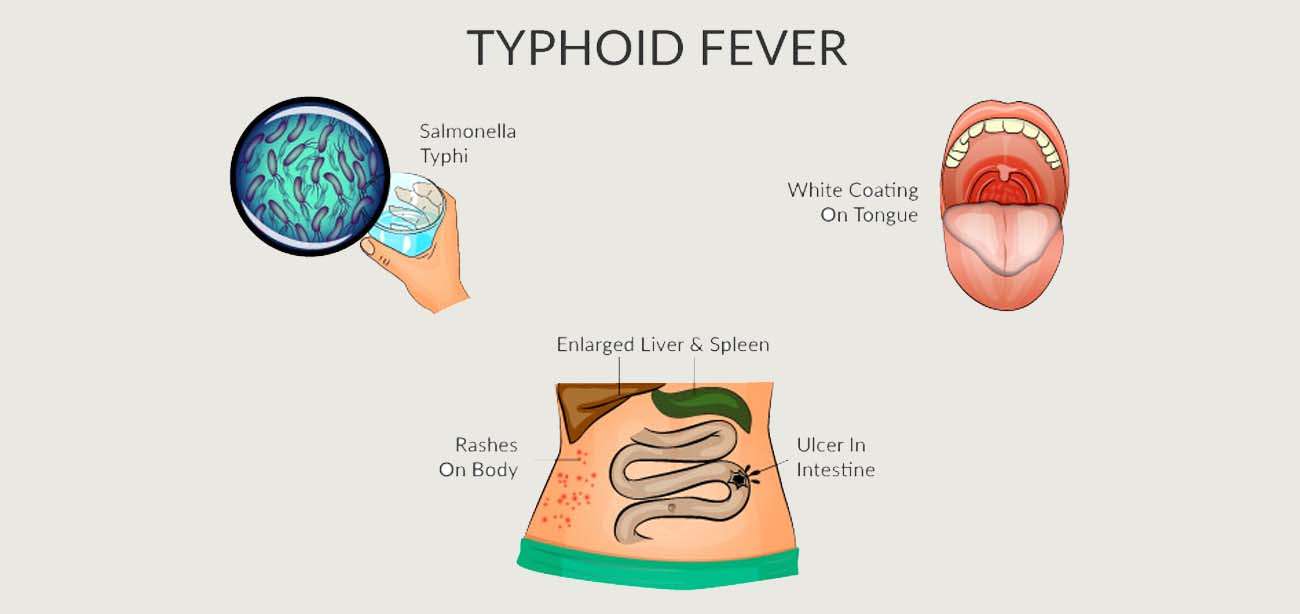
A comprehensive evaluation for thyroid disorders is crucial due to their significant impact on metabolism and overall health. Symptoms can vary greatly between underactive (hypothyroidism) and overactive thyroid (hyperthyroidism).
- Symptoms: Hypothyroidism may cause weight gain and fatigue while hyperthyroidism could result in weight loss and anxiety. Keeping track of these signs is key for timely diagnosis.
- Diagnosis: Blood tests measuring Thyroid Stimulating Hormone (TSH) and thyroid hormones help clarify the underlying issue.
- Treatment Options: Treatments may include hormone replacement therapy for hypothyroidism or medications aimed at reducing hormone production for hyperthyroidism.
An accurate diagnosis allows for tailored treatment plans which can significantly improve quality of life and prevent complications associated with unmanaged thyroid disorders.
DIABETES SCREENING
Diabetes screening is vital for early identification and management of this chronic disease. With rising incidences globally, understanding your risk factors becomes even more essential.
- Causes: Factors such as obesity, lack of physical activity, and genetic predisposition contribute to the development of diabetes.
- Symptoms: Increased thirst, frequent urination, fatigue, and blurred vision may indicate high blood sugar levels.
- Diagnosis: Blood tests such as Fasting Blood Sugar (FBS) or Hemoglobin A1c are standard methods used to diagnose diabetes.
- Treatment Options: Depending on the type of diabetes diagnosed, patients might manage their condition through lifestyle changes or medication like insulin therapy.
The importance of screening cannot be overstated; catching diabetes early can lead to better management and reduced risks of complications in the future.
HYPERTENSION MANAGEMENT
Hypertension, commonly known as high blood pressure, is a prevalent condition that can lead to serious health issues if not managed effectively. It is often asymptomatic, making regular monitoring essential.
- Symptoms: Many individuals may not experience noticeable symptoms; however, some might report headaches, shortness of breath, or nosebleeds.
- Diagnosis: Blood pressure readings are taken using a sphygmomanometer in a clinical setting to confirm hypertension.
- Treatment: Lifestyle modifications such as a healthy diet and regular exercise are crucial. Medications may also be prescribed based on individual needs.
- Management: Regular follow-ups with healthcare providers help in managing and adjusting treatment plans effectively.
- What to expect: With adherence to the treatment plan, many patients can maintain normal blood pressure levels and significantly reduce their risk of cardiovascular complications.
Early detection and proactive management of hypertension can profoundly impact long-term health outcomes, so routine check-ups are strongly recommended.