
Dr Pankaj Gupta
About Me
Dr Pankaj Gupta
MD
Cardiologist
Biography
My Clinic
OPD Hours
| Monday | Morning | 10:00 AM | - | 02:00 PM |
| Evening | 06:00 PM | - | 09:00 PM | |
| Tuesday | Morning | 10:00 AM | - | 02:00 PM |
| Evening | 06:00 PM | - | 09:00 PM | |
| Wednesday | Morning | 10:00 AM | - | 02:00 PM |
| Evening | 06:00 PM | - | 09:00 PM | |
| Thursday | Morning | 10:00 AM | - | 02:00 PM |
| Evening | 06:00 PM | - | 09:00 PM | |
| Friday | Morning | 10:00 AM | - | 02:00 PM |
| Evening | 06:00 PM | - | 09:00 PM | |
| Saturday | Morning | 10:00 AM | - | 02:00 PM |
| Evening | 06:00 PM | - | 09:00 PM | |
| Sunday | Morning | 10:00 AM | - | 02:00 PM |
| Evening | 06:00 PM | - | 09:00 PM |
Treatments
Specialised care and treatments offered
LIPID PANEL

A lipid panel is a blood test measuring cholesterol levels essential for assessing cardiovascular risk. It outlines several types of fats within your bloodstream critical for understanding your potential risk factors associated with heart disease development more accurately over time!
,- ,
- Patients should fast overnight before testing since it ensures accuracy by eliminating any immediate dietary influences impacting lipid readings!
- Key components include: total cholesterol including HDL 'good' cholesterol as well as LDL 'bad’ cholesterol levels along with triglycerides indicators showing how effectively our bodies manage energy storage!
- Abnormal results could suggest lifestyle changes alongside medication being necessary based on individual readings calculated against established guidelines targeting optimal ranges aimed toward enhancing long-term vascular health !
Regular evaluations via lipid panels contribute significantly towards managing overall wellness closely linkeding preventing severe complications down line through proactive steps taken correctly advised thereafter verifying future assessments periodically confirmed felt benefit derived regularly undertaken !
CARDIAC CT ANGIOGRAPHY
This advanced imaging technique uses computed tomography (CT) scans to visualize coronary arteries. It's particularly useful in detecting blockages without invasive procedures typical of traditional angiography methods.
- Your doctor might recommend this if you have risk factors but exhibit minimal symptoms yet require further investigation regarding coronary artery disease (CAD).
- The diagnostic process includes administering contrast dye followed by scanning which allows visualization of blood vessels in real-time while evaluating blood flow efficiently through coronary arteries!
- If significant blockages are present findings lead towards potential interventions such as stenting, bypass surgery & continued monitoring strategies!
HOLTER MONITOR
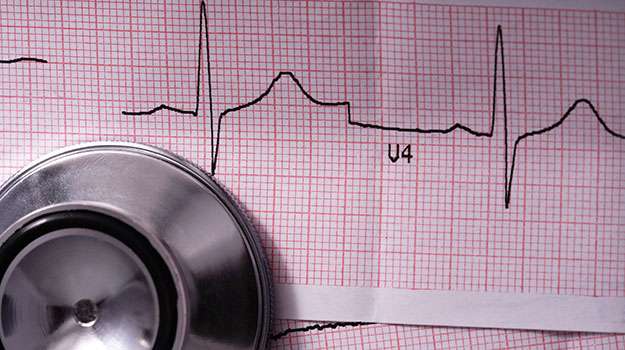
A Holter monitor is a portable device that continuously records your heart's rhythms for 24 hours or more. It provides detailed information about irregularities that may not be captured during a standard ECG exam.
- Symptoms leading to usage: Often utilized when patients report intermittent palpitations or dizziness that occur sporadically throughout the day.
- Diagnostics involved: The data collected helps doctors assess rhythm disturbances over time and understand their frequency and triggers better than traditional methods alone.
- Treatment pathways: Based on results, potential treatments could involve medications or lifestyle alterations tailored to managing identified arrhythmias effectively.
The Holter monitor’s comprehensive analysis supports accurate diagnosis allowing timely intervention recommendations specific to individual needs.
STRESS TESTING
A stress test assesses how your heart performs under physical exertion. By monitoring your heart rate during exercise or using medication to simulate exercise, doctors gain valuable information about cardiovascular health.
- Symptoms prompting testing: Common reasons include unexplained chest pain or patients with risk factors looking to evaluate their cardiovascular fitness.
- Diagnosis methods: Tests may include treadmill exercises monitored by ECGs alongside blood pressure observations during increased activity levels.
- Treatment implications: Results help define treatment strategies ranging from lifestyle modifications to surgical interventions based on identified risks.
The insights gained from stress testing are critical for creating personalized care plans aimed at improving overall cardiac health and preventing future complications.
ECHOCARDIOGRAM
An echocardiogram is an ultrasound test that provides moving images of the heart. It is a non-invasive method that gives insight into the size, shape, and function of the heart's chambers and valves.
- Symptoms: This test is often recommended for symptoms like palpitations, dizziness, or unexplained shortness of breath.
- Diagnosis: An echocardiogram can reveal abnormalities in heart structure or function as well as assess any underlying conditions affecting cardiac performance.
- Treatment options: While not a treatment itself, results can lead to management plans including medications or surgery if necessary.
- Expectations: The procedure is painless and usually takes about 30-60 minutes. Patients can resume normal activities shortly after.
This imaging tool serves as an essential component in diagnosing and monitoring various heart conditions effectively.
CORONARY ANGIOGRAPHY
Coronary angiography is a vital diagnostic procedure used to visualize the blood vessels of the heart. It helps identify blockages or narrowing in the coronary arteries that can lead to serious conditions such as heart attacks.
- Symptoms: Patients may experience chest pain, shortness of breath, or fatigue which can indicate reduced blood flow to the heart.
- Diagnosis: This procedure typically follows a physical examination and imaging studies like an ECG or stress tests.
- Treatment options: Depending on findings, treatments may include lifestyle changes, medication, or procedures such as angioplasty.
- Management: Post-procedure management often requires regular follow-ups and adherence to prescribed medications for heart health.
Coronary angiography plays a crucial role in understanding heart health for better management strategies aimed at preventing cardiovascular events.