
Dr Pankaj Patel
About Me
Dr Pankaj Patel
General Surgeons
Biography
My Clinic
OPD Hours
| Tuesday | Morning | 10:00 AM | - | 02:00 PM |
| Evening | 06:00 PM | - | 09:00 PM | |
| Wednesday | Morning | 10:00 AM | - | 02:00 PM |
| Evening | 06:00 PM | - | 09:00 PM | |
| Thursday | Morning | 10:00 AM | - | 02:00 PM |
| Evening | 06:00 PM | - | 09:00 PM | |
| Friday | Morning | 10:00 AM | - | 02:00 PM |
| Evening | 06:00 PM | - | 09:00 PM | |
| Saturday | Morning | 10:00 AM | - | 02:00 PM |
| Evening | 06:00 PM | - | 09:00 PM | |
| Sunday | Morning | 10:00 AM | - | 02:00 PM |
| Evening | 06:00 PM | - | 09:00 PM | |
| Thursday | Morning | 10:00 AM | - | 02:00 PM |
| Evening | 06:00 PM | - | 09:00 PM |
Treatments
Specialised care and treatments offered
BARIATRIC SURGERY

Bariatric surgery encompasses several procedures aimed at weight loss for individuals struggling with obesity. These interventions help improve overall health by mitigating obesity-related conditions such as diabetes and hypertension.
- Candidacy Criteria: Candidates typically include those who have failed other weight-loss methods and have a body mass index (BMI) over 40 or over 35 with related health issues.
COLONOSCOPY
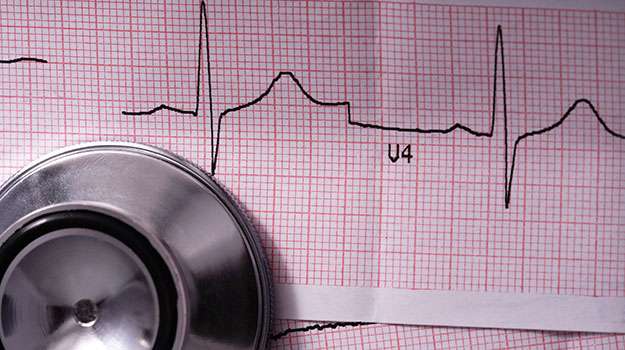
A colonoscopy is a vital screening tool utilized to examine the colon's interior. It helps identify various conditions ranging from polyps to colorectal cancer at early stages.
- Purpose: Recommended for individuals aged 45 and older or those with family histories of colorectal disease; it aids in preventive healthcare strategies.
- Procedure Overview: During this examination, a flexible tube with a camera is inserted into the rectum allowing visualization of the colon's lining.
- Sensitivity Tests: Abnormalities detected during this process might prompt further investigation via biopsy or additional imaging studies if necessary.
The importance of regular colonoscopy screenings cannot be understated as they play a crucial role in early detection and potentially life-saving interventions for bowel diseases.
APPENDECTOMY
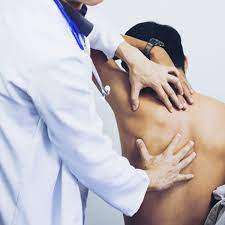
An appendectomy is a surgical procedure performed to remove the appendix when appendicitis occurs. This inflammation can lead to serious health risks if not treated promptly.
- Symptoms: Patients often report sudden abdominal pain localized around the lower right side, along with fever and nausea.
- Causes: Blockages in the appendix due to various factors can lead to inflammation and infection over time.
- Diagnosis: Healthcare providers typically rely on physical examinations coupled with imaging tests like CT scans for accurate diagnosis.
- Treatment Options: Surgical removal of the appendix is usually done via laparoscopy or open surgery depending on individual cases.
Early intervention reduces complications associated with appendicitis and promotes quicker recovery for patients following surgery.
LAPAROSCOPIC CHOLECYSTECTOMY

This procedure involves the removal of the gallbladder using minimally invasive techniques. Gallstones frequently cause this condition, leading to pain and digestive issues.
- Causes: Gallstones form when substances in the bile harden; risk factors include obesity, certain diets, and genetic predisposition.
- Symptoms: Many experience severe abdominal pain, nausea, or jaundice if stones block bile ducts.
- Diagnosis: Diagnosis typically involves blood tests and imaging studies like ultrasounds or CT scans.
- Surgery Options: The cholecystectomy can be performed laparoscopically through small incisions for less recovery time compared to open surgery.
This effective treatment minimizes hospital stays and enables patients to resume everyday activities quickly post-operation.
HERNIA REPAIR
A hernia occurs when an organ pushes through an opening in the muscle or tissue that holds it in place. Common types include inguinal, femoral, umbilical, and incisional hernias. If left untreated, hernias can lead to serious complications.
- Symptoms: Patients may experience a noticeable bulge in the affected area, discomfort, or pain during physical activity.
- Diagnosis: A physical examination by a healthcare professional is often sufficient, though imaging tests like ultrasounds may be used for confirmation.
- Treatment: Surgical intervention is typically required to repair the hernia. This may involve minimally invasive techniques or open surgery depending on severity.
- Post-Operative Care: After surgery, patients are advised to avoid heavy lifting and strenuous activities for a few weeks to allow proper healing.
Prompt treatment of a hernia can lead to successful outcomes and prevent complications such as strangulation of the affected organ.