
Dr Pankaj R Bandarkar
About Me
Dr Pankaj R Bandarkar
General Physician
Biography
My Clinic
OPD Hours
| Tuesday | Morning | 10:00 AM | - | 02:00 PM |
| Evening | 06:00 PM | - | 09:00 PM | |
| Wednesday | Morning | 10:00 AM | - | 02:00 PM |
| Evening | 06:00 PM | - | 09:00 PM | |
| Thursday | Morning | 10:00 AM | - | 02:00 PM |
| Evening | 06:00 PM | - | 09:00 PM | |
| Friday | Morning | 10:00 AM | - | 02:00 PM |
| Evening | 06:00 PM | - | 09:00 PM | |
| Saturday | Morning | 10:00 AM | - | 02:00 PM |
| Evening | 06:00 PM | - | 09:00 PM | |
| Sunday | Morning | 10:00 AM | - | 02:00 PM |
| Evening | 06:00 PM | - | 09:00 PM | |
| Thursday | Morning | 10:00 AM | - | 02:00 PM |
| Evening | 06:00 PM | - | 09:00 PM |
Treatments
Specialised care and treatments offered
THYROID DISORDERS EVALUATION
The thyroid gland plays a crucial role in regulating metabolism through hormone production. Disorders involving this gland necessitate careful evaluation for optimal management.
- Symptoms vary widely but may include fatigue, weight changes (gain/loss), hair loss among others depending on whether you’re dealing with hyperthyroidism or hypothyroidism.
- Diagnosis involves a mix of clinical examinations alongside blood tests measuring hormone levels such as TSH (Thyroid Stimulating Hormone) alongside T3/T4 hormones too!
- Management might encompass replacing deficient hormones via medication while others might require adjustments in medication dose based upon ongoing assessments from healthcare providers.
- Regular follow-ups ensure monitoring remains proactive assisting patients achieve stable metabolic rates sustainably over time!
Timely interventions assist greatly improving both physical health outcomes while enhancing psychological well-being simultaneously too!
GASTROESOPHAGEAL REFLUX DISEASE (GERD) TREATMENT

This chronic digestive disorder occurs when stomach acid frequently flows back into the esophagus. Identifying GERD early can prevent more severe complications later on.
- Common symptoms include heartburn after eating or when lying down along with potential regurgitation.
- Diagnosis typically involves detailed patient history assessments paired with tests like upper endoscopy or esophageal pH monitoring.
- Treatment options range from lifestyle changes—such as avoiding trigger foods—to medications that reduce acid production; in severe cases surgical intervention might be necessary.
- Patients are encouraged to communicate openly about their symptoms during regular follow-ups so personalized therapies remain effective.
With appropriate treatment plans tailored per individual needs many find relief from GERD symptoms leading towards better quality living standards overall!
RESPIRATORY CONDITION DIAGNOSIS

A variety of respiratory conditions can affect breathing patterns significantly. Accurate diagnosis is critical for effective management.
- Symptoms may include shortness of breath, wheezing, persistent coughs, or chest tightness depending on the underlying condition involved.
- A thorough assessment combining medical history review, physical examinations, pulmonary function tests, or imaging studies aids in diagnosis.
- Management strategies depend on specific diagnoses but often involve medication regimens including bronchodilators or steroids along with lifestyle modifications like smoking cessation or exercise therapy.
- Follow-up evaluations are vital for monitoring symptoms over time and modifying treatments based on effectiveness.
Timely diagnosis leads down a path toward improved respiratory health for individuals suffering from these conditions.
CHOLESTEROL MANAGEMENT
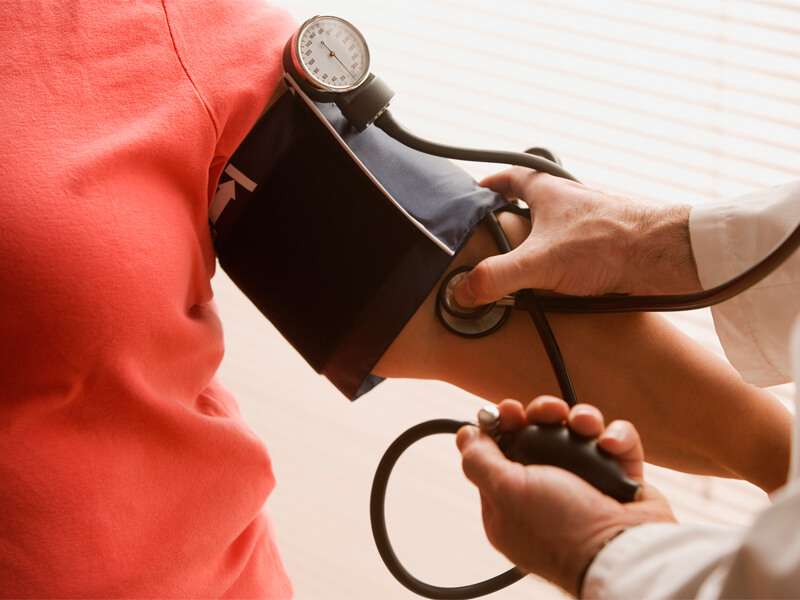
Elevated cholesterol levels can increase the risk of heart disease and stroke. Understanding how to manage cholesterol is key to maintaining cardiovascular health.
- The two main types are LDL (bad cholesterol), which can clog arteries, and HDL (good cholesterol), which helps remove LDL from the bloodstream.
- A lipid panel blood test is used for diagnosis to evaluate total cholesterol levels as well as LDL and HDL specifically.
- Treatment may include lifestyle changes like diet modifications prioritizing unsaturated fats alongside medications such as statins when necessary.
- Persistent follow-up appointments help track progress and make any needed adjustments in treatment plans or lifestyle interventions.
By adopting healthier habits early on, patients can significantly reduce their cholesterol levels and improve overall heart health.
DIABETES MANAGEMENT

Diabetes is a chronic condition that affects how your body uses glucose, an essential energy source. Managing diabetes effectively is crucial for preventing long-term complications.
- Common symptoms include increased thirst, frequent urination, extreme fatigue, and blurred vision.
- A healthcare provider will usually conduct blood tests such as fasting glucose or HbA1c levels to confirm the diagnosis.
- Management may involve a combination of dietary changes, physical activity, and medications like insulin or oral hypoglycemics.
- Regular monitoring of blood sugar levels is essential to assess how well the management plan is working and adjust as necessary.
With proper management, individuals with diabetes can maintain a good quality of life and prevent complications associated with the disease.
HYPERTENSION MANAGEMENT
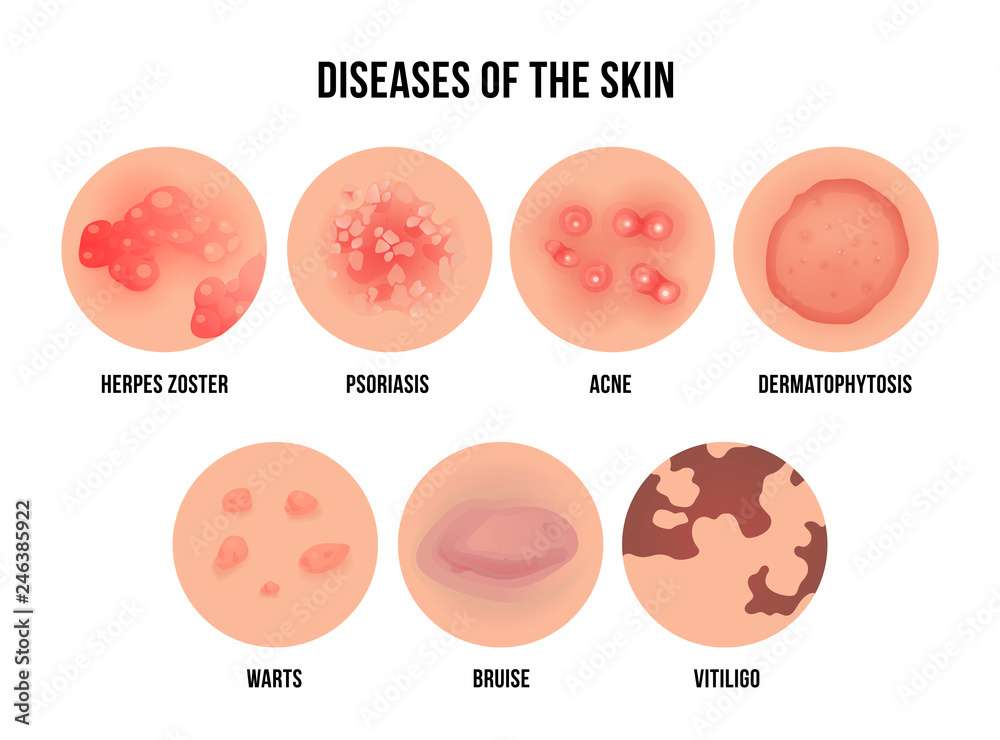
Hypertension, also known as high blood pressure, is a common condition often described as the 'silent killer.' It can lead to serious health complications if left untreated.
- The symptoms of hypertension can be subtle and include headaches, shortness of breath, and nosebleeds.
- Diagnosis typically involves regular monitoring of blood pressure readings over a period and may include additional tests to check for kidney damage or other related conditions.
- Treatment options range from lifestyle changes such as diet and exercise to medications like diuretics and beta-blockers tailored to individual needs.
- Patients can expect regular follow-ups and potentially adjustments in treatment based on their response to therapy.
If discovered early and managed effectively, individuals with hypertension can lead healthy lives without significant complications.