
Dr Pankaj Rastog
About Me
Dr Pankaj Rastog
MBBS
Podiatrist
10 Years Experience
Biography
My Clinic
OPD Hours
| Monday | Morning | 10:00 AM | - | 02:00 PM |
| Evening | 06:00 PM | - | 09:00 PM | |
| Tuesday | Morning | 10:00 AM | - | 02:00 PM |
| Evening | 06:00 PM | - | 09:00 PM | |
| Wednesday | Morning | 10:00 AM | - | 02:00 PM |
| Evening | 06:00 PM | - | 09:00 PM | |
| Thursday | Morning | 10:00 AM | - | 02:00 PM |
| Evening | 06:00 PM | - | 09:00 PM | |
| Friday | Morning | 10:00 AM | - | 02:00 PM |
| Evening | 06:00 PM | - | 09:00 PM | |
| Saturday | Morning | 10:00 AM | - | 02:00 PM |
| Evening | 06:00 PM | - | 09:00 PM | |
| Sunday | Morning | 10:00 AM | - | 02:00 PM |
| Evening | 06:00 PM | - | 09:00 PM |
Treatments
Specialised care and treatments offered
CALLUS REDUCTION TECHNIQUES
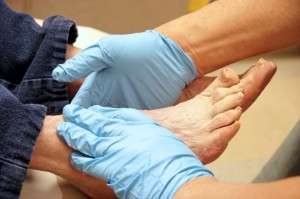
A callus develops as a thickened area of skin formed by repeated friction or pressure over bony prominences in the feet. Though often painless initially, they can become uncomfortable if untreated.
- Causes & signs: Common sources include ill-fitting shoes that rub areas like heels or ball of foot causing hardened skin patches.
- Clinical identification: Visual inspection reveals rough yellowish plaques which may crack causing secondary infection risk.
- Treatment approaches: Professional debridement by podiatrists gently removes excess skin layers supported by moisturization & padding techniques at home.
- Preventive strategies: Proper shoe fitting combined with regular foot care routines help minimize recurrence likelihood.
Consistent management promotes softer skin texture improving comfort levels whilst preventing potential complications from untreated calluses.
HEEL SPUR TREATMENT
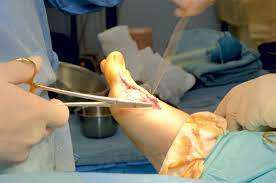
A heel spur is a bony growth on the underside of the heel bone often associated with repetitive stress stresses. It can contribute to discomfort but does not always produce symptoms itself.
- Signs & mechanics: Heel pain during walking especially after rest periods suggests irritation where ligaments attach at the heel bone due to spurs forming from calcium deposits.
- Diagnostic tools: Clinical evaluation combined occasionally with X-ray imaging reveals presence & size of spurs.
- Therapeutic options: Focus lies mainly on reducing inflammation via ice therapy & NSAIDs alongside use of cushioned insoles designed for shock absorption.
- Long-term outlook: Most patients respond well within months through conservative approaches without invasive interventions.
Lifestyle modifications such as choosing comfortable footwear are integral elements of successful symptom control related to heel spurs.
DIABETIC FOOT ULCER PREVENTION
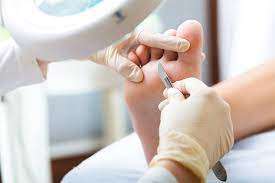
The risk of foot ulcers rises significantly in diabetes due to nerve damage and poor circulation. Preventive care is crucial to avoid complications such as infections or amputation.
- Sensation changes & causes: Neuropathy reduces pain awareness making minor injuries go unnoticed; vascular issues impair healing capability.
- Screening methods: Regular foot inspections using monofilament tests identify loss of protective sensation early on.
- Lifestyle recommendations: Proper glycemic control alongside daily foot hygiene routines including moisturizing (avoiding between toes), wearing protective footwear is essential prevention strategy.
- If ulcer develops:
FLATFOOT (PES PLANUS) REHABILITATION
Flatfoot refers to a lowered or absent arch in the foot that can cause discomfort or affect gait. It may be flexible or rigid depending on individual anatomy.
- Symptoms & causes: Many individuals are asymptomatic; however, fatigue, arch pain, or instability can occur due to ligament laxity or muscle weakness.
- Diagnostic approach: Physical exam assesses arch flexibility and alignment; weight-bearing X-rays give further structural insights if needed.
- Treatment strategies: Non-surgical management includes custom orthotics to support arches, strengthening exercises for foot muscles, and appropriate footwear advice.
- Treatment goals: These interventions aim to improve comfort during activities and prevent progression of foot deformity over time.
A proactive approach helps maintain mobility and reduces discomfort associated with flatfoot conditions effectively without surgery in many cases.
INGROWN TOENAIL CARE
An ingrown toenail occurs when the nail grows into the surrounding skin, leading to pain and possible infection. This condition frequently affects the big toe.
- Symptoms and causes: Signs include redness, swelling, tenderness near the nail edge; improper nail trimming or tight footwear are common causes.
- Diagnosis: A visual assessment typically suffices; severe cases might require additional evaluation for infection severity.
- Treatment methods: Conservative care involves soaking the foot, wearing roomy shoes, proper nail trimming techniques, and topical antibiotics if infection is present.
- Expected outcomes: Early intervention usually prevents complications; persistent or severe cases may need minor outpatient procedures for nail removal.
Avoiding tight footwear and correct nail care are key preventive steps to keep feet healthy and comfortable long term.
PLANTAR FASCIITIS MANAGEMENT
Plantar fasciitis is a common cause of heel pain that can affect daily activities. It involves inflammation of the plantar fascia, a thick band of tissue connecting the heel bone to the toes.
- Symptoms and causes: Patients usually experience sharp heel pain in the morning or after periods of rest due to microtears in the fascia from overuse or strain.
- Diagnosis: Clinical examination focusing on tenderness at the heel, along with patient history, often confirms the condition; imaging is rarely needed.
- Treatment options: Conservative measures include stretching exercises, orthotic supports, ice application, and modifying physical activity to reduce stress on the foot.
- Management expectations: Improvement typically occurs over weeks to months with adherence to therapy and lifestyle adjustments.
Overall, understanding plantar fasciitis enables effective management and relief of discomfort through simple yet consistent home care and professional guidance.