
Dr Pankaj Sharma
About Me
Dr Pankaj Sharma
MBBS
General Physician
10 Years Experience
Biography
My Clinic
OPD Hours
| Monday | Morning | 10:00 AM | - | 02:00 PM |
| Evening | 06:00 PM | - | 09:00 PM | |
| Tuesday | Morning | 10:00 AM | - | 02:00 PM |
| Evening | 06:00 PM | - | 09:00 PM | |
| Wednesday | Morning | 10:00 AM | - | 02:00 PM |
| Evening | 06:00 PM | - | 09:00 PM | |
| Thursday | Morning | 10:00 AM | - | 02:00 PM |
| Evening | 06:00 PM | - | 09:00 PM | |
| Friday | Morning | 10:00 AM | - | 02:00 PM |
| Evening | 06:00 PM | - | 09:00 PM | |
| Saturday | Morning | 10:00 AM | - | 02:00 PM |
| Evening | 06:00 PM | - | 09:00 PM | |
| Sunday | Morning | 10:00 AM | - | 02:00 PM |
| Evening | 06:00 PM | - | 09:00 PM |
Treatments
Specialised care and treatments offered
LIVER FUNCTION TESTS (LFT)
Liver Function Tests are essential investigations that evaluate how well the liver performs its many functions including detoxification and protein synthesis. They help detect liver inflammation or damage early before symptoms appear prominently.
- The Main tests included: Measurement of enzymes such as ALT (alanine aminotransferase), AST (aspartate aminotransferase), alkaline phosphatase; bilirubin levels; albumin concentration serve as key indicators;
- The Causative context: Elevated enzymes may indicate viral hepatitis, alcohol-induced liver injury, fatty liver disease or drug toxicity requiring further assessment;
- The Treatment direction effects: Abnormal results guide lifestyle modifications including alcohol avoidance & weight management besides potential pharmacological interventions;
- The Nondestructive nature: Simple blood draw allows safe routine monitoring aiding chronic liver condition management effectively over time;
LFTs thus play a pivotal role providing clinicians crucial biochemical data enabling proactive disease detection contributing towards better prognosis with timely treatment initiation & follow-up care adherence;
ELECTROCARDIOGRAM (ECG) EVALUATION

An Electrocardiogram (ECG) is a painless test that records the electrical activity of the heart. It is fundamental for diagnosing cardiac rhythm disorders and ischemic conditions early on.
- The spectrum of indications: Symptoms such as chest pain, palpitations, dizziness warrant ECG evaluation to detect arrhythmias or myocardial ischemia promptly.
- The manual placement: Electrodes placed at specific points on chest and limbs map cardiac electrical impulses producing characteristic waveforms displayed on monitor paper or digital screen; . Interpreting traces: Identification of abnormal rhythms like atrial fibrillation or signs suggestive of prior myocardial infarction guides therapeutic planning;, medical history correlation enhances diagnostic accuracy;... Non-invasive & rapid diagnostics: This quick procedure can be performed routinely during check-ups providing valuable insight into cardiovascular health status;.... ....
An ECG serves as a cornerstone in cardiac diagnostics allowing physicians to manage conditions proactively thereby reducing risk of serious cardiac events through early identification & treatment adjustments;
COMPLETE BLOOD COUNT (CBC) ANALYSIS

A Complete Blood Count (CBC) provides vital information about the cells circulating in the bloodstream. This routine test aids in diagnosing various conditions ranging from infections to anemia or clotting disorders.
- Pertinent symptoms prompting CBC: Fatigue, unexplained bruising, persistent infections, or bleeding tendencies often necessitate this evaluation.
- The components analyzed include: Red blood cells count and hemoglobin levels for anemia detection; white blood cell counts indicate infections; platelet counts assess clotting ability.
- Interpretation importance: Variations guide further investigations such as bone marrow biopsy or specific infection markers depending on abnormal findings.
- Simplicity of testing process: Blood sample drawn typically from a vein results are processed rapidly aiding prompt clinical decisions as needed.
A CBC remains an indispensable diagnostic tool providing broad insights into an individual’s hematologic health status facilitating timely intervention when abnormalities arise.
THYROID FUNCTION TESTING
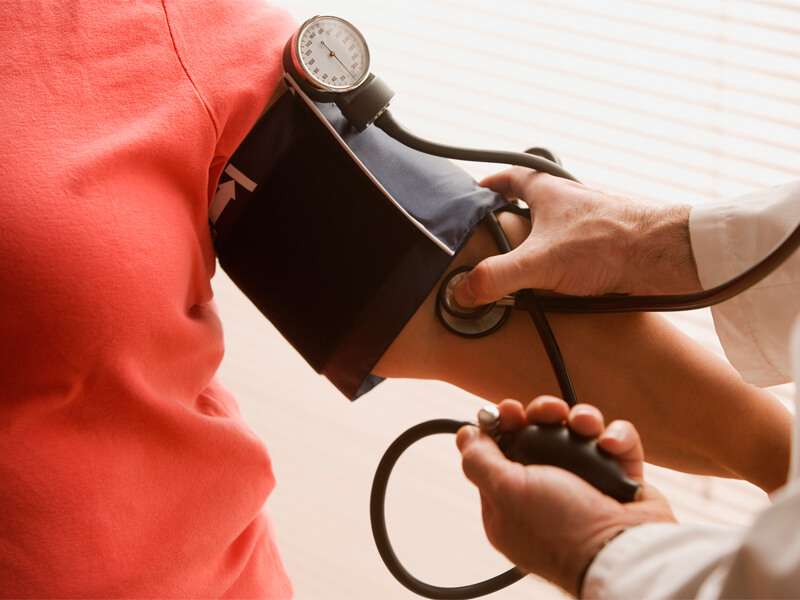
The thyroid gland regulates metabolism through hormone secretion. Disorders affecting thyroid function can significantly impact overall health if not diagnosed accurately.
- Causative aspects: Hypothyroidism or hyperthyroidism may arise from autoimmune diseases, iodine deficiency, or nodular growths on the thyroid gland.
- Diagnostic approach: Blood tests measuring TSH (thyroid-stimulating hormone), free T4, and free T3 levels provide insights into thyroid status.
- Treatment strategies: Depending on diagnosis, treatments vary from hormone replacement therapy for hypothyroidism to antithyroid drugs or radioactive iodine for hyperthyroidism.
- Synthetic hormone adjustment & monitoring: Regular follow-ups ensure proper dosing adjustments tailored to individual response without side effects.
This testing allows healthcare providers to detect thyroid imbalances early enabling targeted treatments that restore hormonal balance effectively improving patient well-being.
DIABETES MELLITUS SCREENING

Diabetes mellitus is a metabolic disorder characterized by elevated blood sugar levels. Early detection through screening helps in preventing complications associated with this chronic illness.
- Causative factors: Type 2 diabetes often arises due to insulin resistance linked with obesity, sedentary lifestyle, and family history.
- Screening methods: Common tests include fasting blood glucose, HbA1c measurement, and oral glucose tolerance test administered in clinical settings.
- Importance of early diagnosis: Detecting prediabetes or diabetes early allows timely intervention which can delay or prevent disease progression.
- Lifestyle recommendations: A balanced diet rich in fiber and low in simple sugars combined with physical activity supports glycemic control alongside any required medication.
Regular screening especially for at-risk individuals aids in effective diabetes management ensuring better quality of life and reduced risks of complications like neuropathy or cardiovascular diseases.
HYPERTENSION MANAGEMENT

High blood pressure, or hypertension, is a common condition that if left untreated, can lead to serious health issues like heart disease and stroke. Understanding and managing hypertension early is crucial for long-term health.
- Symptoms and causes: Often called the 'silent killer', hypertension usually has no symptoms but may be influenced by factors such as genetics, diet high in salt, obesity, and stress.
- Diagnosis: It is diagnosed through regular blood pressure readings taken using a sphygmomanometer during clinical visits or home monitoring.
- Treatment options: Lifestyle modifications including diet changes, regular exercise, quitting smoking, and medications like ACE inhibitors or beta-blockers are commonly prescribed.
- Monitoring and follow-up: Continuous blood pressure monitoring is essential to assess treatment effectiveness and adjust therapy as needed.
Proper management of hypertension involves a combination of lifestyle adjustments and medical interventions to maintain healthy blood pressure levels and prevent complications.