
Dr Pankaj Sharma
About Me
Dr Pankaj Sharma
DO
Ophthalmologist
Biography
My Clinic
OPD Hours
| Monday | Morning | 10:00 AM | - | 02:00 PM |
| Evening | 06:00 PM | - | 09:00 PM | |
| Tuesday | Morning | 10:00 AM | - | 02:00 PM |
| Evening | 06:00 PM | - | 09:00 PM | |
| Wednesday | Morning | 10:00 AM | - | 02:00 PM |
| Evening | 06:00 PM | - | 09:00 PM | |
| Thursday | Morning | 10:00 AM | - | 02:00 PM |
| Evening | 06:00 PM | - | 09:00 PM | |
| Friday | Morning | 10:00 AM | - | 02:00 PM |
| Evening | 06:00 PM | - | 09:00 PM | |
| Saturday | Morning | 10:00 AM | - | 02:00 PM |
| Evening | 06:00 PM | - | 09:00 PM | |
| Sunday | Morning | 10:00 AM | - | 02:00 PM |
| Evening | 06:00 PM | - | 09:00 PM |
Treatments
Specialised care and treatments offered
COMPREHENSIVE EYE EXAM
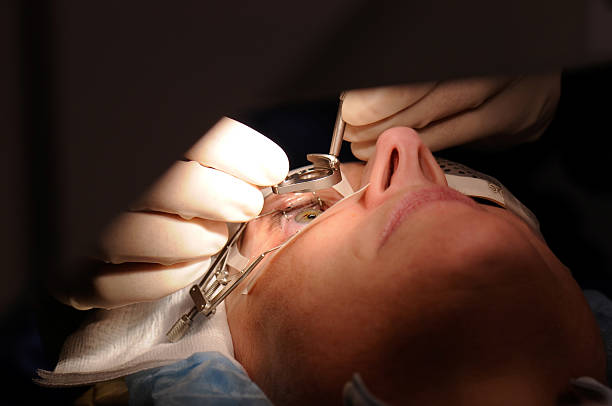
A comprehensive eye exam evaluates both vision quality and overall ocular health. It helps detect common conditions like refractive errors early on along with systemic diseases affecting eyesight such as hypertension or diabetes. Regular exams enable timely interventions that preserve long-term vision function!
- What it includes : Assessment covers various components ranging from visual acuity check , refraction tests , battery assessment evaluating depth perception etc .
- Early detection benefits:: Conditions found sooner typically allow quicker management which protects eyesight efficiently .
- Who should get examined? :: All individuals should receive regular evaluations irrespective of existing complaints ; frequency depends mostly upon age-group risk level .
Make sure schedule appointments regularly so you remain proactive concerning maintaining excellent ocular wellness!
VISION THERAPY
Vision therapy refers to individualized programs designed to improve visual skills and processing abilities. It’s particularly beneficial for children experiencing difficulties such as strabismus (crossed eyes) or focusing issues. This holistic approach strengthens optic function through targeted activities tailored for each patient’s needs!
- Indications : Problems with focusing, convergence insufficiency, lazy eye (amblyopia), or certain types of learning disabilities
- Evaluation process : Comprehensive assessments including observation & analysis of visual-motor skills form basis for personalized therapy plan .
- Therapy techniques : Exercises might involve using lenses , prisms , computer programs alongside hand-eye coordination tasks .
Consistent participation leads patients towards achieving optimal performance enhancement !
RETINAL DETACHMENT REPAIR
A retinal detachment occurs when the retina separates from its underlying support tissue. If not addressed immediately, this serious condition can lead to permanent vision loss. Understanding its signs and swift treatment options is pivotal for preservation of vision.
- Signs of detachment: Sudden flashes of light, an increase in floaters, or a shadow/curtain effect across your visual field.
- Diagnosis process: An ophthalmologist will perform a thorough eye exam using specialized tools like an ophthalmoscope or ultrasound imaging to confirm detachment status.
- Treatment approaches: Surgical options include pneumatic retinopexy (gas injection), scleral buckle procedure (placing a silicone buckle), or vitrectomy (removal of vitreous gel).
If you experience any warning signs related to retinal detachment, seek immediate medical attention for appropriate intervention!
DIABETIC RETINOPATHY MANAGEMENT
Diabetic retinopathy is a complication of diabetes that affects blood vessels in the retina. It can lead to serious vision issues if not managed properly. Regular eye checks are key for those with diabetes to monitor any changes in their retinal health.
- Symptoms: Early signs may include floaters or blurred visions; advanced stages could cause significant dark spots or vision loss.
- Causes: High blood sugar levels damage retinal blood vessels over time, leading to leakage and swelling in the retina.
- Diagnosis method: A comprehensive dilated eye exam helps identify any changes in the retina's health status caused by diabetes.
- Treatment options: Laser surgery can help seal leaking blood vessels; anti-VEGF injections may also be utilized to treat swelling in the macula.
Your proactive approach towards monitoring and treating diabetic retinopathy can safeguard your sight throughout your diabetic journey.
GLAUCOMA SCREENING
Glaucoma is a group of eye conditions that damage the optic nerve, often due to elevated intraocular pressure. Early detection through screening can help prevent significant vision loss. Regular screenings are crucial, especially if you have risk factors such as family history or older age.
- Risk factors: Family history of glaucoma, age over 60, high blood pressure, or diabetes.
- Symptoms: Early stages may not show symptoms; however, peripheral vision loss can occur as it progresses.
- Diagnostic methods: Eye pressure measurement (tonometry), visual field tests, and optical coherence tomography (OCT).
- Treatment options: Depending on severity, treatments may include prescription eye drops or surgical procedures aimed at lowering intraocular pressure.
Timely screening plays a vital role in managing glaucoma effectively to maintain your precious eyesight.
CATARACT SURGERY
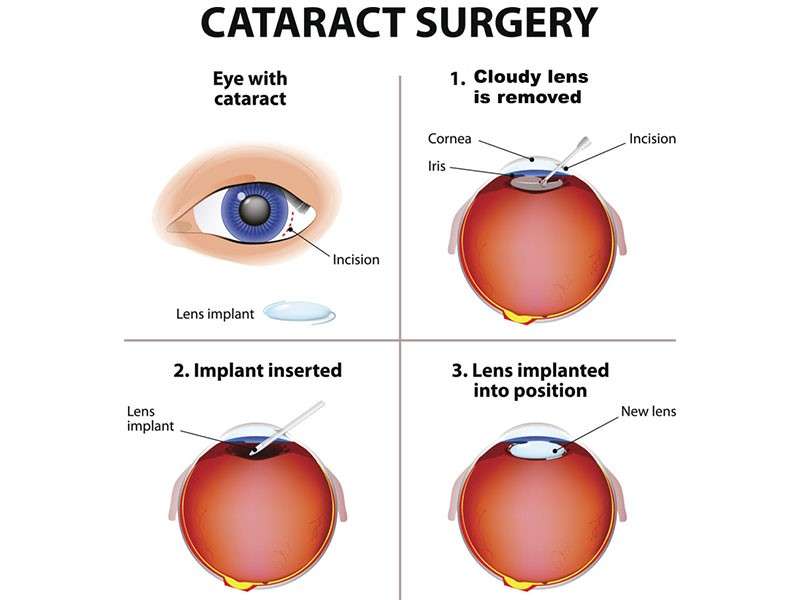
Cataracts are a common eye condition where the natural lens of the eye becomes cloudy, leading to vision problems. This condition is often age-related, but can also be influenced by genetics and lifestyle. Understanding cataracts, their progression, and treatment options is essential for maintaining good eyesight.
- Symptoms: Blurred or cloudy vision, difficulty seeing at night, sensitivity to light, and colors appearing faded.
- Diagnosis: An eye examination is conducted using visual acuity tests and slit-lamp exams to assess the level of cloudiness in the lens.
- Treatment options: The primary treatment for cataracts is surgical intervention, where the cloudy lens is removed and replaced with a clear artificial lens.
- Post-surgery care: Recovery involves following prescribed eye drops regime and attending follow-up appointments for monitoring healing.
Seeking prompt evaluation and potential treatment can greatly improve quality of life for those affected by cataracts.