
Dr Pankaj Sharma
About Me
Dr Pankaj Sharma
DO
Ophthalmologist
10 Years Experience
Biography
My Clinic
OPD Hours
| Monday | Morning | 10:00 AM | - | 02:00 PM |
| Evening | 06:00 PM | - | 09:00 PM | |
| Tuesday | Morning | 10:00 AM | - | 02:00 PM |
| Evening | 06:00 PM | - | 09:00 PM | |
| Wednesday | Morning | 10:00 AM | - | 02:00 PM |
| Evening | 06:00 PM | - | 09:00 PM | |
| Thursday | Morning | 10:00 AM | - | 02:00 PM |
| Evening | 06:00 PM | - | 09:00 PM | |
| Friday | Morning | 10:00 AM | - | 02:00 PM |
| Evening | 06:00 PM | - | 09:00 PM | |
| Saturday | Morning | 10:00 AM | - | 02:00 PM |
| Evening | 06:00 PM | - | 09:00 PM | |
| Sunday | Morning | 10:00 AM | - | 02:00 PM |
| Evening | 06:00 PM | - | 09:00 PM |
Treatments
Specialised care and treatments offered
YAG LASER CAPSULOTOMY
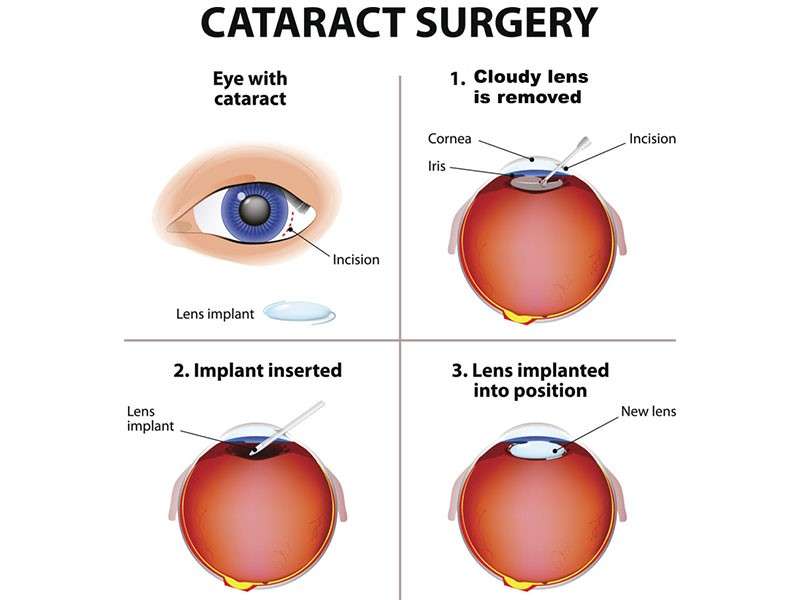
This laser treatment addresses posterior capsule opacification (PCO), a common cause of decreased vision after cataract surgery. The procedure restores clarity without need for additional invasive surgery.
CORNEAL CROSS-LINKING
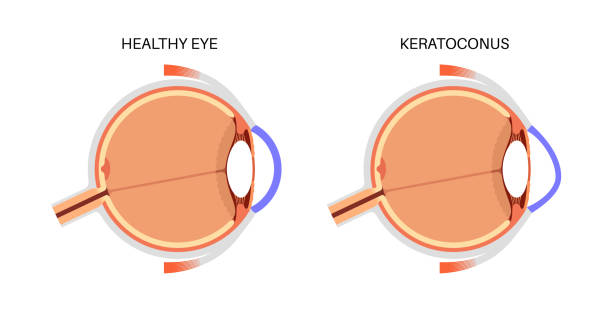
A breakthrough treatment aiming to strengthen corneal tissue through ultraviolet light activation combined with riboflavin application. It specifically treats progressive keratoconus and other corneal thinning disorders.
INTRAVITREAL INJECTION THERAPY
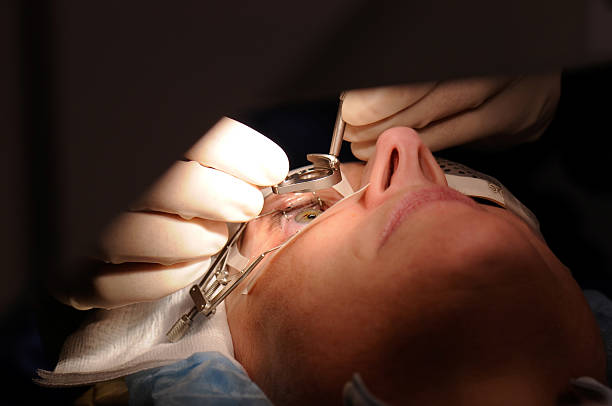
This technique involves direct injection of medication into the vitreous cavity to treat retinal diseases such as diabetic retinopathy or macular degeneration. It's a key tool in preserving sight in many serious conditions.
- Diseases treated: Includes age-related macular degeneration (AMD), diabetic macular edema (DME), and retinal vein occlusion (RVO).
- The procedure steps: Eye is numbed; medication is injected under sterile conditions usually in a clinic setting without need for general anesthesia.
- Treatment frequency: Often requires multiple injections spaced over weeks or months based on response evaluated via imaging tests.
- Efficacy: Shown to stabilize or improve vision preventing progression of retinal damage if administered promptly.'
LASER PERIPHERAL IRIDOTOMY
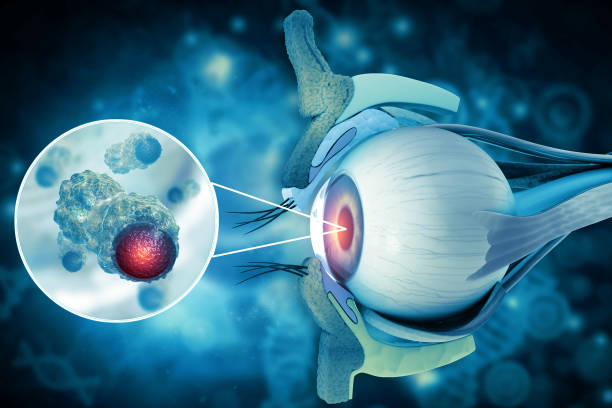
This procedure is utilized primarily to treat or prevent angle-closure glaucoma by relieving pressure buildup inside the eye. It is minimally invasive with often immediate effects.
- Indications: Narrow angles detected on examination increasing risk for acute glaucoma attacks.
- The procedure: A laser creates a tiny hole in the iris allowing fluid to circulate freely within the eye chambers.
- Pain management: Usually performed under topical anesthesia; discomfort is minimal during treatment.
- Outcomes: Decreased intraocular pressure risk and prevention of acute symptom development like severe pain or vision loss.
This outpatient intervention provides an effective alternative to more invasive surgeries with quick recovery times and low complication rates when done timely.
CATARACT PREOPERATIVE EVALUATION
Cataracts lead to clouding of the eye's natural lens resulting in blurry vision. Before surgical removal, thorough preoperative evaluation ensures optimal outcomes.
- Purpose: Assessing overall eye health and precise measurements of the eye structure.
- Tests performed: Visual acuity test, slit-lamp examination, intraocular pressure measurement, and biometry for lens calculation.
- Planning treatment: Helps select the appropriate intraocular lens implant tailored to patient needs.
- Patient preparation: Discussion about surgery expectations and postoperative care instructions.
A well-conducted preoperative assessment enhances success rates of cataract surgery by customizing care for each individual’s vision goals.
DRY EYE SYNDROME MANAGEMENT
Dry Eye Syndrome occurs when the eyes do not produce enough tears or when tears evaporate too quickly, causing discomfort and vision problems. It is a common condition that can affect people of all ages but is particularly frequent among adults.
- Symptoms: Burning, itching, redness, and a gritty sensation are typical signs.
- Causes: Factors include prolonged screen time, environmental conditions, aging, and certain medications.
- Diagnosis: Eye examination includes tear film tests and evaluating the ocular surface.
- Treatment options: Artificial tears, lifestyle adjustments, prescription medications like cyclosporine, and in some cases, punctal plugs to conserve tears.
- What to expect: Improvement may take several weeks; regular follow-ups help tailor treatment for relief.
This condition is manageable with proper care and early intervention helps prevent complications related to eye irritation and vision disturbances.