
DR PANKAJ VERMA
About Me
DR PANKAJ VERMA
Internal Medicine
Biography
My Clinic
OPD Hours
| Monday | Morning | 10:00 AM | - | 02:00 PM |
| Evening | 06:00 PM | - | 09:00 PM | |
| Tuesday | Morning | 10:00 AM | - | 02:00 PM |
| Evening | 06:00 PM | - | 09:00 PM | |
| Wednesday | Morning | 10:00 AM | - | 02:00 PM |
| Evening | 06:00 PM | - | 09:00 PM | |
| Thursday | Morning | 10:00 AM | - | 02:00 PM |
| Evening | 06:00 PM | - | 09:00 PM | |
| Friday | Morning | 10:00 AM | - | 02:00 PM |
| Evening | 06:00 PM | - | 09:00 PM | |
| Saturday | Morning | 10:00 AM | - | 02:00 PM |
| Evening | 06:00 PM | - | 09:00 PM | |
| Sunday | Morning | 10:00 AM | - | 02:00 PM |
| Evening | 06:00 PM | - | 09:00 PM |
Treatments
Specialised care and treatments offered
THYROID DISORDER MANAGEMENT
The thyroid gland plays a crucial role in regulating metabolism through hormone production. Disorders such as hypothyroidism or hyperthyroidism can significantly impact overall health and well-being.
- Symptoms : Conditions can present various symptoms including fatigue, weight fluctuations, mood disturbances, and temperature sensitivity among others.
- Diagnosis : Blood tests measuring TSH alongside T3/T4 hormone levels confirm thyroid disorders influencing treatment directions.
- Treatment Options : Management might involve synthetic hormones if hypothyroid or antithyroid medications for hyperthyroidism; regular monitoring ensures optimal dosage adjustments according to needs.
PREVENTIVE HEALTH SCREENINGS
A critical aspect of internal medicine revolves around preventive health screenings that help identify risks before they develop into more severe health issues. Regular screenings can save lives through early detection.
- Cancer Screenings: Depending on age and risk factors, screenings for breast cancer (mammograms), cervical cancer (Pap tests), colon cancer (colonoscopy), etc., are crucial for early detection.
- ,
- Cardiovascular Assessments: Routine checks on blood pressure and cholesterol levels play a significant role in preventive care against heart disease.
- Chronic Disease Monitoring: Regular visits enable early identification of conditions like diabetes or hypertension before they escalate.
- Personalized Advice: Each screening session provides personalized recommendations based on results leading to improved health outcomes.
Being proactive about your health through regular screenings fosters long-term wellness as you age.
ASTHMA MANAGEMENT
Asthma is a chronic inflammatory disease of the airways that causes difficulty breathing due to airway constriction. Understanding asthma triggers is essential for effective management.
- Symptoms: Individuals may experience wheezing, coughing, chest tightness, or shortness of breath during an asthma attack triggered by allergens or irritants.
- Diagnosis: Asthma diagnosis typically involves lung function tests like spirometry that measure how well air moves out of the lungs.
- Treatment Options: Treatment strategies include inhalers (both bronchodilators and corticosteroids), avoiding triggers, and possibly oral medications depending on severity.
Persistent asthma management can significantly improve quality of life and prevent exacerbations effectively at home and in daily activities.
DIABETES CARE
Diabetes is a chronic condition characterized by high blood sugar levels due to either insufficient insulin production or ineffective use of insulin in the body. Managing diabetes effectively is essential to prevent complications.
- Symptoms: Common symptoms include frequent urination, increased thirst, hunger, fatigue, and blurred vision. Long-term uncontrolled diabetes can lead to serious conditions like neuropathy or retinopathy.
- Diagnosis: Diabetes is diagnosed through fasting blood glucose tests or HbA1c tests that indicate average blood sugar levels over several months.
- Treatment Options: Management may involve lifestyle modifications like diet changes and exercise along with medications or insulin therapy when necessary.
A comprehensive care plan tailored for each patient significantly improves quality of life for those living with diabetes.
CHOLESTEROL MANAGEMENT
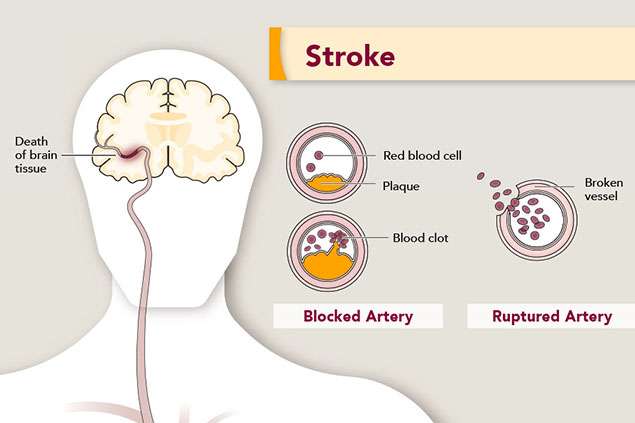
Maintaining healthy cholesterol levels is vital for cardiovascular health. High cholesterol can lead to plaque buildup in arteries, increasing the risk of heart attacks and strokes.
- Symptoms: Generally, there are no symptoms associated with high cholesterol levels; people may not know they have it until they undergo blood tests.
- Diagnosis: A simple blood test measures the levels of different types of cholesterol in your body, including LDL (bad) and HDL (good) cholesterol.
- Treatment: If levels are elevated, dietary changes, physical activity, and medications such as statins may be recommended to help bring them down.
- Lifestyle Factors: Maintaining a balanced diet rich in fruits, vegetables, and whole grains can significantly impact cholesterol management.
A proactive approach can help manage cholesterol effectively and maintain overall health.
HYPERTENSION MANAGEMENT
Hypertension, commonly known as high blood pressure, is a significant health concern affecting millions worldwide. It can lead to serious complications such as heart disease and stroke if left untreated.
- Symptoms and Causes: Often called the 'silent killer,' hypertension may show no symptoms. When it does, individuals might experience headaches or shortness of breath. Risk factors include obesity, excessive alcohol consumption, and a sedentary lifestyle.
- Diagnosis: Blood pressure is measured using a sphygmomanometer. A consistent reading above 130/80 mmHg is indicative of hypertension.
- Treatment Options: Management typically involves lifestyle changes like diet and exercise. Medications such as diuretics or ACE inhibitors may also be prescribed.
- What to Expect: Regular monitoring is essential. Patients often need to follow up frequently to adjust treatment plans based on their response.
Early intervention is crucial for better outcomes in managing hypertension effectively.