
Dr Pankajs Phys
About Me
Dr Pankajs Phys
MBBS
Therapist
10 Years Experience
Biography
My Clinic
OPD Hours
| Monday | Morning | 10:00 AM | - | 02:00 PM |
| Evening | 06:00 PM | - | 09:00 PM | |
| Tuesday | Morning | 10:00 AM | - | 02:00 PM |
| Evening | 06:00 PM | - | 09:00 PM | |
| Wednesday | Morning | 10:00 AM | - | 02:00 PM |
| Evening | 06:00 PM | - | 09:00 PM | |
| Thursday | Morning | 10:00 AM | - | 02:00 PM |
| Evening | 06:00 PM | - | 09:00 PM | |
| Friday | Morning | 10:00 AM | - | 02:00 PM |
| Evening | 06:00 PM | - | 09:00 PM | |
| Saturday | Morning | 10:00 AM | - | 02:00 PM |
| Evening | 06:00 PM | - | 09:00 PM | |
| Sunday | Morning | 10:00 AM | - | 02:00 PM |
| Evening | 06:00 PM | - | 09:00 PM |
Treatments
Specialised care and treatments offered
ANXIETY DISORDER TREATMENT
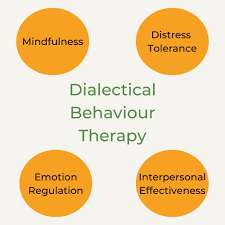
Anxiety disorders encompass various conditions characterized by excessive fear or worry that disrupt daily functioning. Treatment aims at reducing these overwhelming feelings through targeted interventions.
- Symptoms & Causes: Includes generalized anxiety disorder , panic attacks , social anxiety often linked to genetic predispositions or environmental stresses .
- Diagnostic Process: Mental health evaluation using diagnostic criteria from recognized manuals supported by patient history assessment .
- Therapeutic Approaches: Incorporates cognitive behavioral techniques focusing on exposure strategies plus relaxation training methods like deep breathing exercises .
- Management Plan: May combine psychotherapy sessions with lifestyle modifications including exercise routines and dietary adjustments beneficial for nervous system regulation .
The objective is helping patients regain control over anxious impulses enabling them to face fears constructively within their everyday lives.
DEPRESSION MANAGEMENT
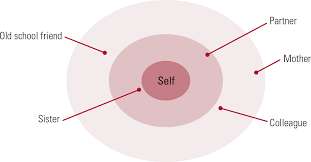
This management approach offers support for individuals experiencing depressive episodes ranging from mild to severe. It incorporates multiple therapeutic modalities tailored to individual needs.
- Symptoms/Causes: Persistent sadness , loss of interest , fatigue , changes in appetite , often triggered by psychosocial stressors or biological factors .
- Diagnosis: Clinical interviews along with standardized depression rating scales establish diagnosis criteria .
- Treatment Options: Psychotherapy such as CBT , interpersonal therapy coupled sometimes with medication prescribed by specialists .
- Therapy Focus: Encourages identifying negative thought patterns , building coping skills , nutritional advice , physical activity integration .
- Outcome Expectations: Gradual improvement in mood stability , energy levels , social engagement following consistent treatment adherence .
Effective depression management promotes recovery through personalized care fostering patient empowerment throughout the healing journey .
SLEEP DISORDER COUNSELING
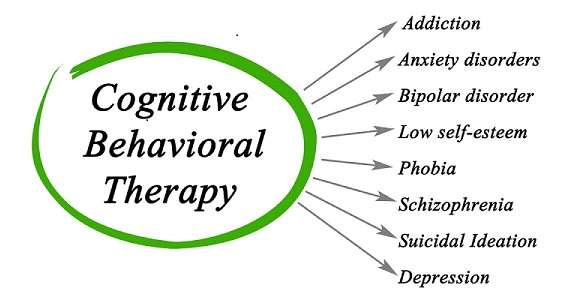
Treating sleep disturbances involves identification of underlying causes contributing to poor sleep quality or insomnia. Counseling focuses on improving sleep hygiene habits positively affecting restfulness.
- Main indicators: Difficulty falling asleep or staying asleep leading to daytime fatigue and impaired functioning are common reasons for seeking help.
- Diagnostic considerations: Clinicians gather detailed sleep histories along with lifestyle factors influencing circadian rhythms such as caffeine intake or screen exposure before bed.
- Therapeutic techniques: Cognitive-behavioral strategies targeting unhelpful thoughts about sleep combined with relaxation exercises improve ability to initiate restful sleep cycles.
- Lifestyle guidance: Establishing consistent bedtime routines and creating an optimal environment conducive for rest forms an integral part of treatment plans.
This counseling provides sustainable solutions aiming at restoring natural sleep patterns enhancing overall quality of life over time.
CHILDHOOD BEHAVIORAL THERAPY
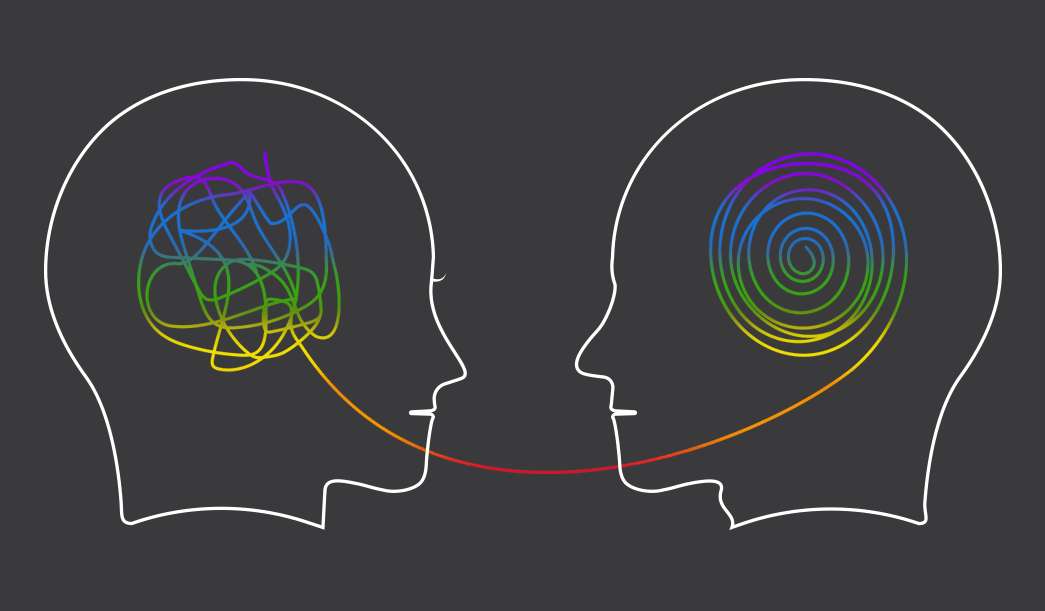
This therapeutic approach is designed specifically for children exhibiting behavioral problems that interfere with their social or academic functioning. Early intervention is key for positive outcomes.
- Signs/causes: Common issues include aggression, hyperactivity, oppositional behavior possibly linked to environmental factors or neurodevelopmental conditions.
- Assessment process: Evaluation involves input from parents, teachers, and standardized behavioral rating scales tailored for children.
- Treatment strategy: Utilizes play therapy techniques alongside behavioral modification plans rewarding positive behaviors while discouraging negative ones.
- Therapy setting: Can be delivered individually or in group formats depending on the child's needs and severity of symptoms.
- Aim of therapy: Enhance social skills, self-control, and emotional regulation encouraging healthier interactions at home and school.
The goal is ensuring children develop constructive habits promoting long-term psychological growth through supportive environments.
STRESS MANAGEMENT THERAPY
Stress management therapy addresses the persistent feelings of pressure that can negatively impact overall health. This approach helps individuals cope with daily stressors more effectively.
- Symptoms/causes: Symptoms include irritability, fatigue, headaches, and sleep disturbances caused by chronic workplace or personal stress.
- Evaluation: Therapists evaluate stress triggers through detailed conversations and self-reported stress scales.
- Treatment methods: Techniques involve relaxation training, mindfulness meditation, time management skills, and cognitive restructuring to alter perceptions of stressors.
- Implementation: Sessions may integrate biofeedback or guided imagery to reduce physiological arousal associated with stress.
- Expectations: Over time, patients learn to respond calmly to challenges and regain emotional balance during difficult situations.
This therapy aims to improve resilience so one can maintain productivity and emotional health amidst pressure.
COGNITIVE BEHAVIORAL THERAPY (CBT)
Cognitive Behavioral Therapy (CBT) is a widely used psychological treatment focused on modifying dysfunctional emotions, behaviors, and thoughts. It is effective for a variety of mental health challenges.
- Symptoms/causes: Often recommended for anxiety, depression, phobias, and stress-related disorders rooted in negative thought patterns.
- Diagnosis: Clinicians assess symptoms through interviews and standardized questionnaires to identify cognitive distortions and behavioral issues.
- Treatment approach: CBT involves structured sessions where patients learn to recognize and reframe harmful thoughts and develop healthier coping mechanisms.
- Management: Typically delivered over weeks or months, including homework assignments to practice techniques outside sessions.
- Outcomes: Patients often experience improved mood regulation, reduced anxiety, and enhanced problem-solving skills as therapy progresses.
This therapy empowers individuals by providing practical tools that foster long-term mental well-being.