
Dr Panktis
About Me
Dr Panktis
Cardiologist
Biography
My Clinic
OPD Hours
| Tuesday | Morning | 10:00 AM | - | 02:00 PM |
| Evening | 06:00 PM | - | 09:00 PM | |
| Wednesday | Morning | 10:00 AM | - | 02:00 PM |
| Evening | 06:00 PM | - | 09:00 PM | |
| Thursday | Morning | 10:00 AM | - | 02:00 PM |
| Evening | 06:00 PM | - | 09:00 PM | |
| Friday | Morning | 10:00 AM | - | 02:00 PM |
| Evening | 06:00 PM | - | 09:00 PM | |
| Saturday | Morning | 10:00 AM | - | 02:00 PM |
| Evening | 06:00 PM | - | 09:00 PM | |
| Sunday | Morning | 10:00 AM | - | 02:00 PM |
| Evening | 06:00 PM | - | 09:00 PM | |
| Thursday | Morning | 10:00 AM | - | 02:00 PM |
| Evening | 06:00 PM | - | 09:00 PM |
Treatments
Specialised care and treatments offered
ATRIAL FIBRILLATION

Atrial fibrillation (AFib) is a common type of heart rhythm disorder characterized by irregular beating of the heart's upper chambers. This can result in blood clots forming within the atria due to inefficient pumping action.
- Patients may experience symptoms such as palpitations, dizziness, fatigue, or chest discomfort; however, some may be asymptomatic altogether.
- This condition can be identified through an EKG which records electrical activity across time periods that indicates abnormal rhythms present within the atrial tissue specifically!
- Treatment strategies might include anticoagulants alongside rate control strategies using specific beta-blockers; some patients benefit from cardioversion procedures designed for rhythm restoration.”
Long term management ensures adequate monitoring addressing any potential stroke risk associated directly connected with AFib occurrence!
HYPERLIPIDEMIA
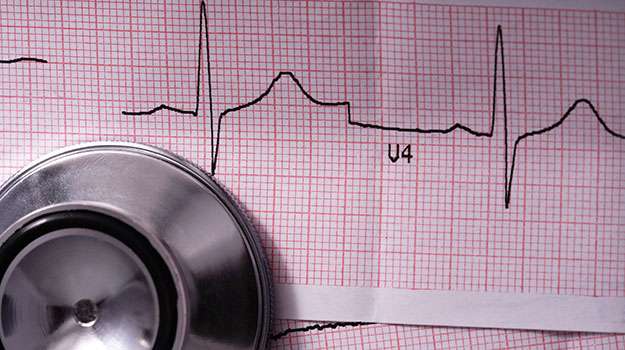
Hyperlipidemia refers to elevated levels of lipids (fats) in the bloodstream, which can increase the risk of cardiovascular diseases. It’s often asymptomatic but requires attention due to its potential complications on heart health over time.
- The main contributing factors include poor diet choices high in saturated fats and trans fats along with lack of exercise and genetic predispositions.
- A lipid panel blood test is used for diagnosing this condition by measuring cholesterol levels including LDL and HDL types.
- Management focuses on dietary changes, increased physical activity, and possibly cholesterol-lowering medications depending on severity considerations for each patient.
An integrated approach offers the best chance for maintaining healthy lipid levels long-term while reducing cardiovascular risks.
ARRHYTHMIA
An arrhythmia is an irregular heartbeat that can affect how efficiently the heart pumps blood. Some people may feel palpitations, while others remain unaware until they undergo testing.
- The causes can vary widely from electrolyte imbalances to structural changes in the heart muscle or even stress-related factors.
- Diagnosis typically involves EKGs or Holter monitoring to capture electrical activity over time.
- Treatment may include lifestyle modifications as well as medications to regulate heartbeat; in some cases, catheter ablation could be recommended.
Managing arrhythmias effectively requires regular check-ups with your cardiologist for optimal health outcomes.
CORONARY ARTERY DISEASE (CAD)
Coronary artery disease occurs when the coronary arteries become narrowed or blocked due to atherosclerosis. This restricts blood flow to the heart muscle itself.
- The most common symptoms are chest pain (angina), shortness of breath, and fatigue during exertion.
- A thorough evaluation including stress tests and angiography helps to confirm the diagnosis.
- Treatment options range from lifestyle changes and medications to more invasive procedures like angioplasty or bypass surgery.
Early detection and treatment are vital for maintaining heart health in individuals at risk of CAD.
HYPERTENSION
Hypertension, or high blood pressure, is a silent but serious condition that can lead to significant health issues if left uncontrolled. It often presents no symptoms initially, making regular monitoring important.
- Common causes include obesity, lack of physical activity, excessive salt intake, and genetic factors.
- A diagnosis typically involves measuring blood pressure during routine check-ups.
- Treatment includes lifestyle changes such as diet improvements and increased physical activity along with medications like beta-blockers or diuretics.
Consistent management can help prevent complications such as heart attack or stroke.
HEART FAILURE
Heart failure is a chronic condition where the heart cannot pump enough blood to meet the body's needs. Patients often experience fatigue, shortness of breath, and fluid retention.
- Symptoms may include persistent cough, swelling in legs, and rapid or irregular heartbeat.
- The condition is usually diagnosed through physical exams, blood tests, and imaging studies like echocardiograms.
- Treatment options range from medications such as diuretics and ACE inhibitors to lifestyle changes like diet modification and exercise.
- Advanced cases might require devices or surgical procedures to assist heart function.
Regular follow-up care is crucial for managing heart failure effectively and improving quality of life.