
Dr Pareek
About Me
Dr Pareek
Anesthesiologist
Biography
My Clinic
OPD Hours
| Tuesday | Morning | 10:00 AM | - | 02:00 PM |
| Evening | 06:00 PM | - | 09:00 PM | |
| Wednesday | Morning | 10:00 AM | - | 02:00 PM |
| Evening | 06:00 PM | - | 09:00 PM | |
| Thursday | Morning | 10:00 AM | - | 02:00 PM |
| Evening | 06:00 PM | - | 09:00 PM | |
| Friday | Morning | 10:00 AM | - | 02:00 PM |
| Evening | 06:00 PM | - | 09:00 PM | |
| Saturday | Morning | 10:00 AM | - | 02:00 PM |
| Evening | 06:00 PM | - | 09:00 PM | |
| Sunday | Morning | 10:00 AM | - | 02:00 PM |
| Evening | 06:00 PM | - | 09:00 PM | |
| Thursday | Morning | 10:00 AM | - | 02:00 PM |
| Evening | 06:00 PM | - | 09:00 PM |
Treatments
Specialised care and treatments offered
ANESTHESIA FOR OUTPATIENT SURGERY
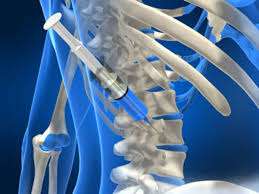
Anesthesia techniques specifically designed for outpatient surgeries ensure rapid recovery while maintaining adequate analgesia throughout minor procedures. It caters particularly well towards patients needing same-day discharge post-operatively
.- .
- Symptoms: Anxiety regarding potential discomfort post-operation alongside desire not requiring overnight hospital stays constitute significant factors influencing choice among this category .
- Diagnosis: Patient assessments determining suitability include evaluating health conditions compatible with less intensive recoveries affected by anesthesia types chosen before initiations .
- Treatment/Management: Utilizing local anesthetics paired alongside short-acting general agents enhances both efficiency around procedural timelines significantly facilitating quicker discharges overall .
- What To Expect: Most find themselves able returning home after minimal monitoring periods experiencing fewer side effects paving ways forward inclusively among community members encouraging engagements within personal lifestyles once discharged successfully .
Ultimately aiming delivering comprehensive plans allowing personal choices taken into account ensures accessibility alternatives accessible regardless varying specialties adapting requirements reflective individual circumstances empowering autonomy over treatment pathways pursued moving forward
PAIN MANAGEMENT TECHNIQUES

Pain management strategies implemented by anesthesiologists are essential for individuals living with chronic conditions. These techniques aim to improve quality of life through tailored approaches based on individual needs.
- Symptoms: Chronic pain can manifest in various forms including back pain, arthritis, or nerve-related discomfort affecting daily activities tremendously.
- Diagnosis: Comprehensive assessment involves discussing pain history alongside physical examinations performed by healthcare providers specializing in anesthesia practices for effective interventions tailored accordingly
The focus remains solely upon restoring daily routines whenever possible alongside promoting self-management strategies helping patients regain independence amidst their struggles.
REGIONAL ANESTHESIA

This form of anesthesia targets specific regions of the body for effective pain management without full sedation. It’s frequently utilized in orthopedic surgeries and childbirth.
- Symptoms: Ideal for managing localized pain while allowing patients to remain awake but comfortable during procedures.
- Diagnosis: Careful evaluation of surgical needs helps determine if regional anesthesia is appropriate based on location and type of surgery.
- Treatment/Management: Techniques include nerve blocks or spinal taps administered by trained specialists that provide targeted relief yet maintain consciousness when desired.
- What to Expect: Patients often report less discomfort than expected due to reduced sensation in target areas while remaining fully aware throughout their surgical experience.
The goal is always maximizing comfort without compromising surgical outcomes, making this option popular among both anesthesiologists and surgeons alike.
SEDATION FOR DENTAL PROCEDURES

Sedation during dental procedures can alleviate anxiety and discomfort for patients. This practice allows for less invasive procedures to be carried out more comfortably.
- Symptoms: Patients often display fear or anxiety related to dental work that could hinder their ability to proceed with necessary treatments.
- Diagnosis: Identifying patients who may benefit from sedation involves assessing their anxiety levels and previous dental experiences.
- Treatment/Management: Various sedative methods, including oral medications or IV sedation, are available depending on patient needs and preferences.
- What to Expect: Patients typically feel relaxed and may have limited memory of the procedure, enhancing their overall experience at the dentist's office.
This sedation technique greatly improves patient cooperation during dental visits while ensuring safety and minimal side effects under professional supervision.
GENERAL ANESTHESIA

General anesthesia provides total unconsciousness during surgical procedures. It ensures that patients do not feel pain or have any awareness while undergoing surgery.
- Symptoms: Suitable for surgeries where local or regional anesthesia is insufficient.
- Diagnosis: Evaluated based on the type of procedure and patient health status prior to surgery.
- Treatment/Management: Involves inhaled gases or intravenous medications administered by an anesthesiologist to induce a state of deep sleep.
- What to Expect: Patients will wake up in the recovery room with close monitoring throughout their procedure.
This method requires careful consideration of medical history, ensuring safety and effectiveness throughout surgical interventions.
EPIDURAL ANESTHESIA

Epidural anesthesia is a technique commonly used to manage pain during labor and certain surgical procedures. This method involves the injection of an anesthetic agent into the epidural space surrounding the spinal cord.
- Symptoms: Patients may experience intense pain in the lower body, often during childbirth or surgical interventions.
- Diagnosis: Typically assessed through patient history and physical examination to identify suitable candidates.
- Treatment/Management: An anesthesiologist administers medication through a catheter placed in the epidural space, providing effective pain relief.
- What to Expect: The procedure is generally well tolerated, with patients often reporting significant pain relief shortly after administration.
This approach has been shown to enhance patient comfort during labor and surgery, significantly improving overall satisfaction with the care process.