
Dr Paresh Savla
About Me
Dr Paresh Savla
Cardiologist
Biography
My Clinic
OPD Hours
| Tuesday | Morning | 10:00 AM | - | 02:00 PM |
| Evening | 06:00 PM | - | 09:00 PM | |
| Wednesday | Morning | 10:00 AM | - | 02:00 PM |
| Evening | 06:00 PM | - | 09:00 PM | |
| Thursday | Morning | 10:00 AM | - | 02:00 PM |
| Evening | 06:00 PM | - | 09:00 PM | |
| Friday | Morning | 10:00 AM | - | 02:00 PM |
| Evening | 06:00 PM | - | 09:00 PM | |
| Saturday | Morning | 10:00 AM | - | 02:00 PM |
| Evening | 06:00 PM | - | 09:00 PM | |
| Sunday | Morning | 10:00 AM | - | 02:00 PM |
| Evening | 06:00 PM | - | 09:00 PM | |
| Thursday | Morning | 10:00 AM | - | 02:00 PM |
| Evening | 06:00 PM | - | 09:00 PM |
Treatments
Specialised care and treatments offered
TRANSCATHETER AORTIC VALVE REPLACEMENT (TAVR)

The Transcatheter Aortic Valve Replacement procedure offers a less invasive option for patients who require aortic valve replacement without undergoing traditional open-heart surgery. TAVR allows medical professionals to insert a new valve through a small incision typically made in your leg's artery leading directly into your heart's structure with precision!
- If you experience fatigue after mild exertion alongside significant shortness of breath while lying down—these could indicate severe stenosis needing further evaluation!
- Imaging tests including echo scans help identify stenotic lesions needing attention before proceeding onward towards treatment determination steps!
- Please understand various management alternatives exist tailored specifically according cases identified; gradually moving toward replacing defective valves via TAVR allows greater patient comfort levels immensely improving quality-of-life measures afterward realized!
- Post-operative expectations revolve around gradual mobility increases over weeks while following essential recovery guidelines provided suited uniquely towards individuals’ requests ensuring safety protocols adhered too strictly throughout rehabilitation processes involved ahead as healing progresses onward.
Your healthcare team remains ready throughout continuing supportive efforts made available continuously assisting bringing excellent outcomes ultimately deemed attainable successfully every step undertaken diligently henceforth!
ELECTROPHYSIOLOGY STUDY (EPS)
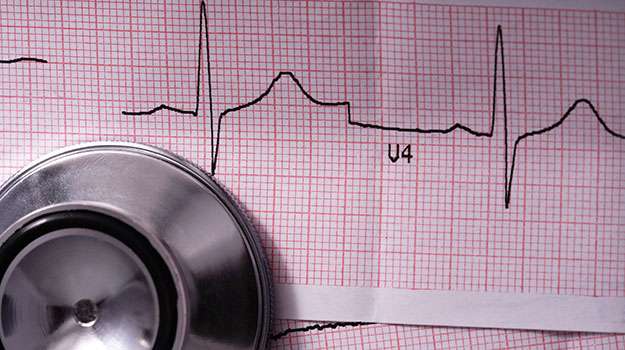
An Electrophysiology study assesses electrical activity within your heart. This specialized test helps diagnose arrhythmias—irregular heartbeats that may cause palpitations or dizziness—by mapping out electrical signals throughout your cardiac tissue.
- Common symptoms prompting this study include unexplained syncope (fainting), rapid heartbeat, or fluttering sensations in your chest area.
- To diagnose arrhythmias accurately during EPS testing electrodes are placed inside the heart via catheters inserted into veins.
- Treatment options vary from medication adjustments based upon results found during testing; catheter ablation techniques may target specific sites contributing toward irregular rhythms also!
- Expect some minor discomfort during placement but minimal downtime afterward compared with traditional procedures involved addressing similar conditions!
Results can inform treatment directions enhancing both safety & effectiveness going forward relieving persistent concerns patients experience regularly!
AORTIC ANEURYSM REPAIR
An aortic aneurysm occurs when there is an abnormal bulging in the wall of the aorta — a condition that can lead to severe complications if not addressed promptly. Repairing an aneurysm is critical for preventing rupture which can be life-threatening.
- Pain in the back or abdomen may indicate an aneurysm; however, many remain asymptomatic until complications occur!
- Diagnosis usually involves imaging studies such as CT scans which provide detailed images of the aorta's structure.
- Treatment often centers on managing risk factors but requires surgical intervention if an aneurysm grows large enough—either through open repair or endovascular approaches depending on size and location.
- The recovery process necessitates close monitoring for hypertension management post-surgery.
This proactive approach ensures early detection leads to timely intervention, vastly improving patient outcomes.
HEART VALVE SURGERY
Heart valve surgery addresses problems related to valves that regulate blood flow within the heart. Conditions such as stenosis or regurgitation require intervention when they cause significant health issues like heart failure.
- Signs of valve disorders can include irregular heartbeat, swelling in feet or abdomen, and fatigue.
- A thorough evaluation through echocardiography helps diagnose valve dysfunctions accurately.
- Treatment might involve either repairing the existing valve or replacing it with a biological or mechanical alternative based on severity.
- The surgery can be performed using traditional open-heart techniques or minimally invasive approaches depending on patient specifics.
- Postoperative care will focus on recovery and monitoring overall cardiac function as well as any residual symptoms you may have experienced prior to surgery.
This essential operation aims to enhance heart efficiency and overall well-being when other treatments are insufficient alone.
ANGIOPLASTY AND STENTING
This minimally invasive procedure is used for widening narrowed or obstructed arteries in the heart. Angioplasty involves inserting a small balloon into the affected area and inflating it to restore blood flow, often followed by placing a stent to keep the artery open permanently.
- Common symptoms include chest discomfort or angina during exertion.
- The diagnosis typically involves imaging techniques such as angiography that reveal arterial blockages.
- Treatment begins with lifestyle modifications; however, angioplasty becomes necessary when these changes do not sufficiently alleviate symptoms.
- A catheter is inserted through an artery in your wrist or groin and guided to the heart for the procedure.
- Post-procedure care includes regular check-ups and medications to prevent clotting around the stent.
This approach effectively increases blood flow and reduces symptoms of coronary artery disease in many patients.
CORONARY ARTERY BYPASS GRAFTING (CABG)
Coronary Artery Bypass Grafting is a surgical procedure aimed at improving blood flow to the heart. This operation is typically performed on patients with severe coronary artery disease, where the arteries are narrowed or blocked due to plaque buildup.
- Symptoms may include chest pain, shortness of breath, and fatigue during physical activities.
- Diagnosis generally involves tests like stress tests, angiograms, and echocardiograms to assess artery blockages.
- Treatment options include lifestyle changes, medication for symptom management, and surgical procedures like CABG to restore proper blood flow.
- During surgery, a healthy artery or vein is grafted to bypass blocked coronary arteries.
- Recovery can take several weeks; expect regular follow-up appointments to monitor heart health and recovery progress.
This procedure significantly improves quality of life and reduces symptoms associated with heart diseases when performed under expert care.