
Dr Parijat Gupte
About Me
Dr Parijat Gupte
Internal Medicine
Biography
My Clinic
OPD Hours
| Tuesday | Morning | 10:00 AM | - | 02:00 PM |
| Evening | 06:00 PM | - | 09:00 PM | |
| Wednesday | Morning | 10:00 AM | - | 02:00 PM |
| Evening | 06:00 PM | - | 09:00 PM | |
| Thursday | Morning | 10:00 AM | - | 02:00 PM |
| Evening | 06:00 PM | - | 09:00 PM | |
| Friday | Morning | 10:00 AM | - | 02:00 PM |
| Evening | 06:00 PM | - | 09:00 PM | |
| Saturday | Morning | 10:00 AM | - | 02:00 PM |
| Evening | 06:00 PM | - | 09:00 PM | |
| Sunday | Morning | 10:00 AM | - | 02:00 PM |
| Evening | 06:00 PM | - | 09:00 PM | |
| Thursday | Morning | 10:00 AM | - | 02:00 PM |
| Evening | 06:00 PM | - | 09:00 PM |
Treatments
Specialised care and treatments offered
WEIGHT MANAGEMENT
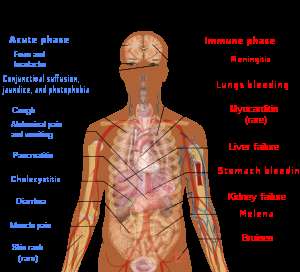
Mantaining a healthy weight is crucial in preventing various chronic diseases including diabetes and heart conditions. Weight management encompasses dietary habits alongside physical activity adjustments tailored for individual needs.
- Key indicators of concern might be obesity-related issues like joint pain or sleep apnea rather than visible symptoms alone; awareness leads to better outcomes through intervention efforts earlier on!
- Health assessments gauge body mass index (BMI) providing clear insight into weight categories helping set realistic targets moving forward based upon current health status indicated by those numbers
- Comprehensive approaches combine proper nutrition education emphasizing portion control alongside regular exercises designed specifically around one’s capabilities engaging both body & mind influencing success rates positively over time!
- Support systems including counseling services provide motivation encouragement promoting accountability while navigating hurdles individuals face throughout their journeys toward achieving personal goals relating effectively contributing positively enhancing general well-being along their paths
Understanding factors affecting weight empowers people fostering healthier long-term lifestyle strategies sustaining progress continuously achieving desired results empowering them positively impacting overall quality-of-life satisfaction obtained together!
ASTHMA MANAGEMENT
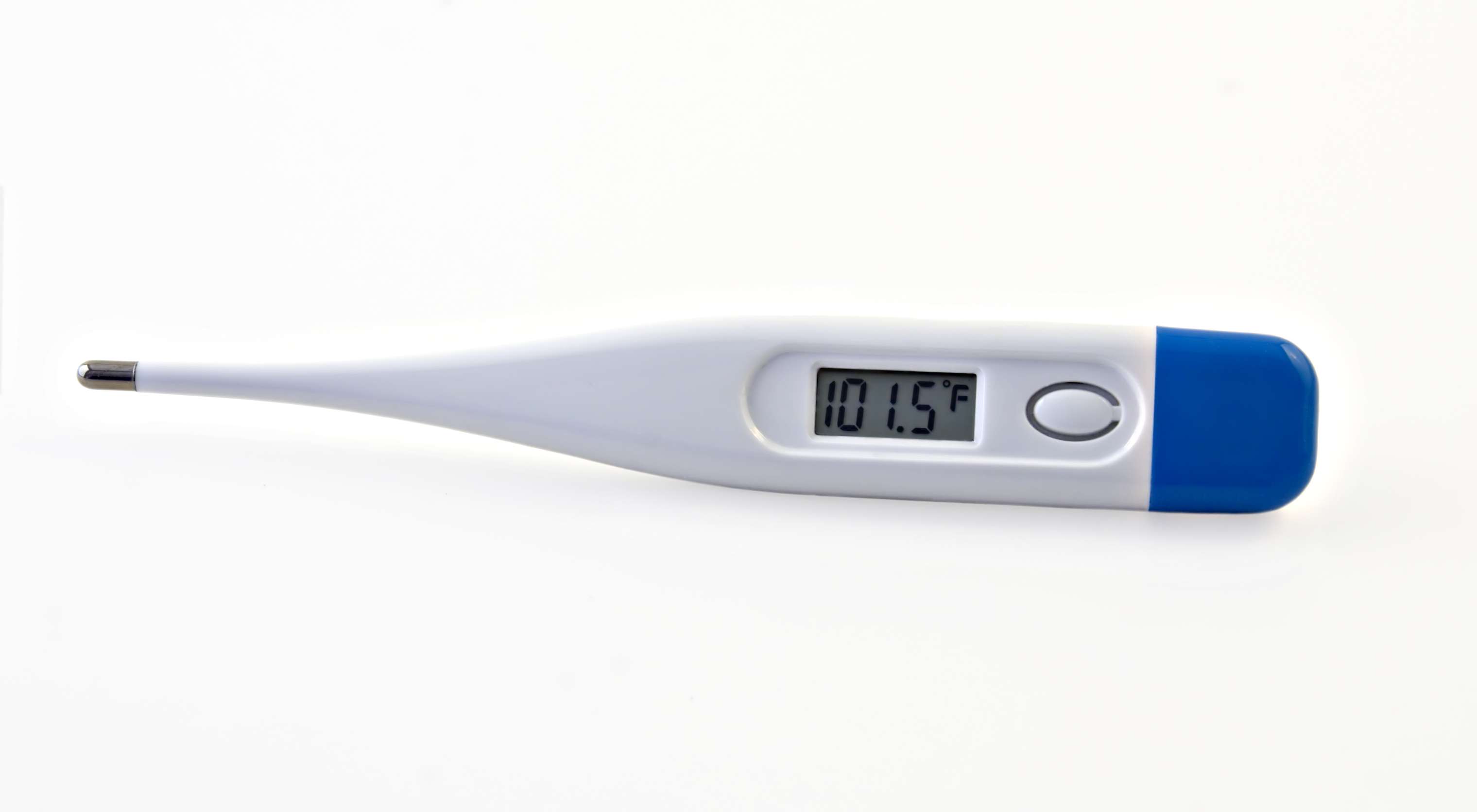
Asthma is a chronic respiratory condition characterized by inflammation in the airways that leads to difficulty in breathing. Effective management allows individuals to live active lives despite this challenge.
- Common symptoms include wheezing, shortness of breath, chest tightness, and persistent coughing especially at night or during exercise. Being aware of these signs helps in early intervention.
- Diagnosis typically involves a pulmonary function test alongside symptom assessment by healthcare professionals to confirm asthma presence.
- Management strategies often incorporate inhalers known as bronchodilators along with corticosteroids targeted at reducing airway inflammation help control asthma responses.
- Avoiding triggers such as allergens or smoke plays an important role in preventing exacerbations from occurring on a recurrent basis.
Well-managed asthma allows patients enhanced control over their daily activities while minimizing negative impacts on their overall health.
GASTROESOPHAGEAL REFLUX DISEASE (GERD)
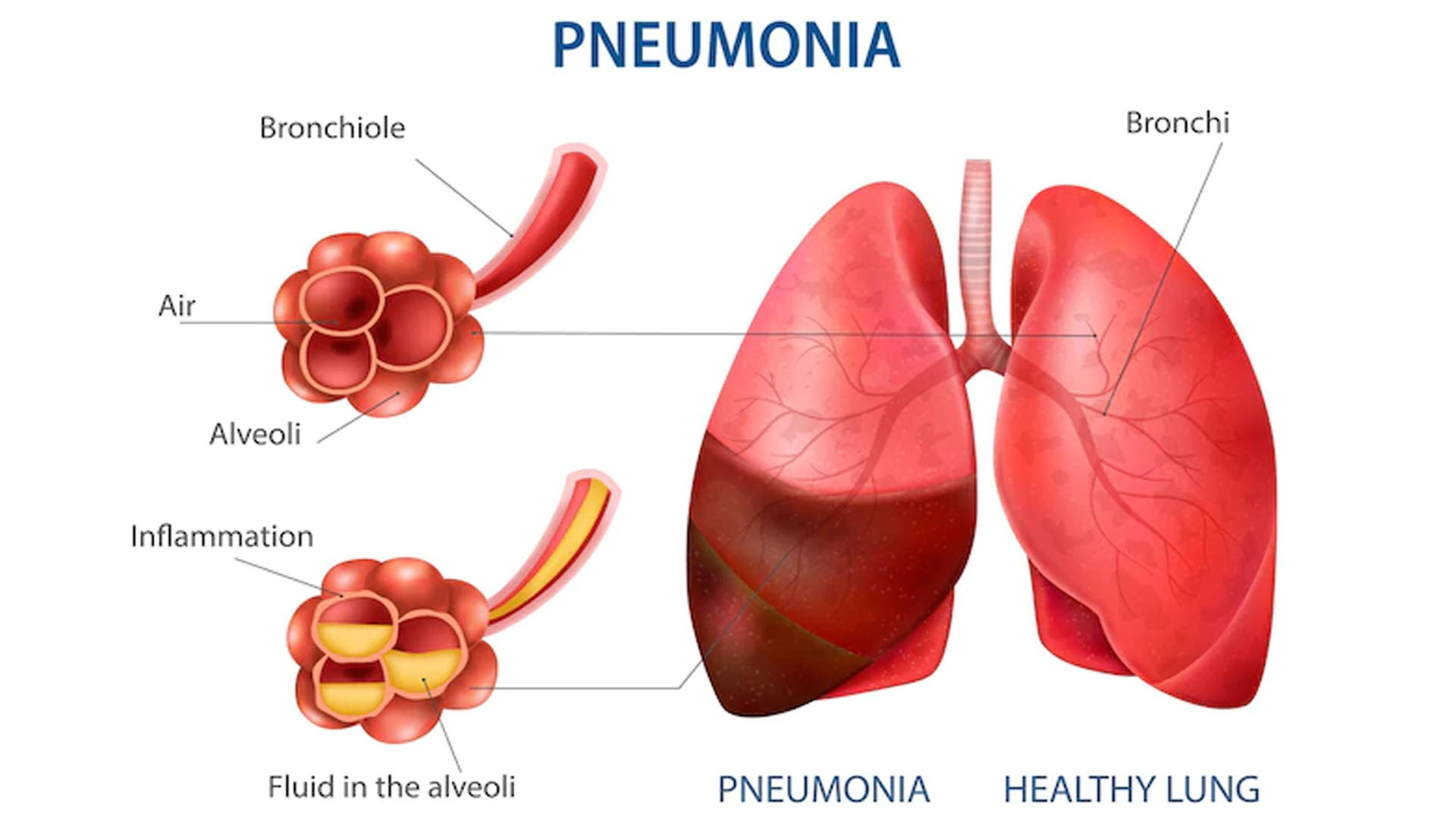
Gastroesophageal Reflux Disease (GERD) occurs when stomach acid frequently flows back into the esophagus. This backflow can cause irritation and discomfort if not managed properly.
- Main symptoms include heartburn and acid regurgitation after meals or at night. Individuals may also experience difficulty swallowing or chronic cough over time.
- Diagnosis usually involves evaluating symptoms alongside lifestyle factors; additional tests like an endoscopy may be conducted for persistent cases.
- Lifestyle changes such as avoiding trigger foods, eating smaller meals, and elevating the head during sleep are often recommended for management along with medications like proton pump inhibitors (PPIs).
- If lifestyle interventions prove ineffective, further evaluations might be needed to rule out more severe conditions affecting esophageal health.
A proactive approach towards managing GERD can significantly improve comfort and reduce long-term risks associated with untreated reflux issues.
HYPERLIPIDEMIA
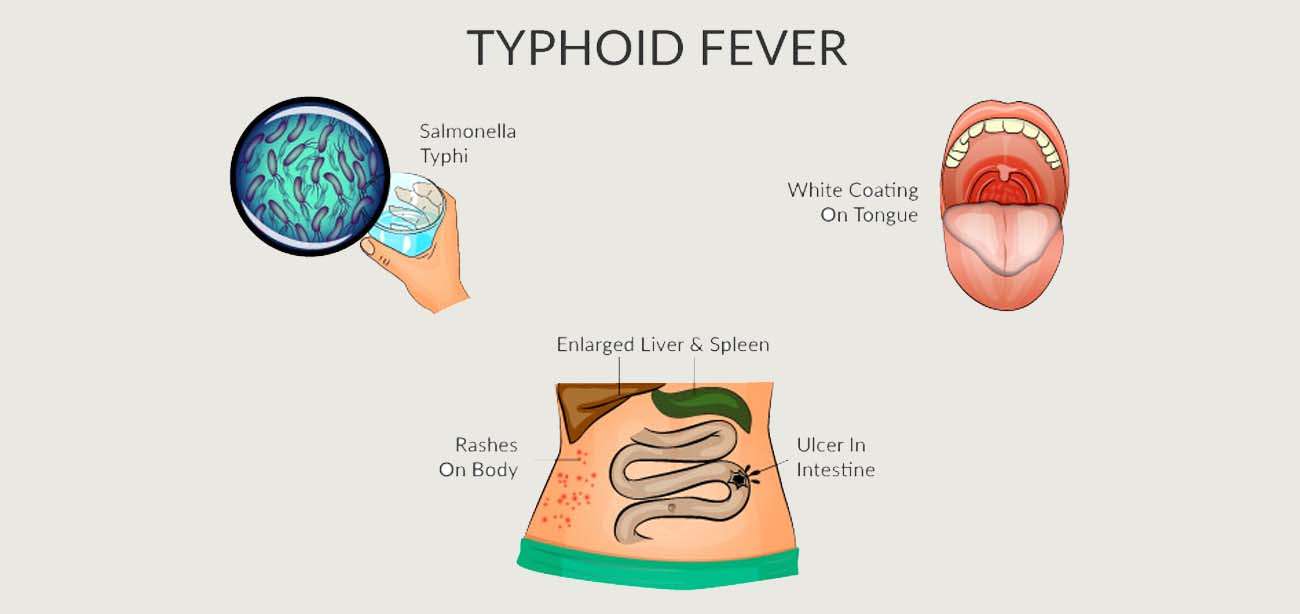
Hyperlipidemia refers to elevated levels of lipids in the bloodstream which significantly increases the risk of cardiovascular diseases. Understanding this condition can promote proactive health choices.
- The usual signs are not obvious; however, fatigue or chest pain might be present if complications arise. Regular cholesterol checks are crucial for early detection.
- A lipid panel test measures total cholesterol levels; values above normal indicate hyperlipidemia requiring attention.
- Lifestyle modifications such as reducing saturated fats intake and increasing physical activity play a vital role in managing lipid levels effectively.
- If dietary changes are insufficient, physicians may recommend medications like statins for further control of lipid levels in the bloodstream.
A thorough approach combining lifestyle adjustments with medical advice leads to improved health outcomes for those affected by hyperlipidemia.
DIABETES MANAGEMENT
Diabetes is a chronic condition that affects how the body processes glucose. Effective management is essential to prevent complications associated with the disease.
- The primary symptoms include increased thirst, frequent urination, extreme fatigue, and blurred vision. Early identification is key to effective management.
- Diagnosis is made through blood tests that measure glucose levels; a fasting blood sugar level over 126 mg/dL confirms diabetes.
- A comprehensive management plan often includes dietary modifications, regular exercise, and medication such as insulin or oral hypoglycemics.
- Adopting healthy habits can dramatically reduce the risk of complications like neuropathy or cardiovascular issues over time.
Staying informed about diabetes management empowers patients to lead healthier lives while minimizing risks associated with the condition.
HYPERTENSION
Hypertension, commonly known as high blood pressure, is a condition that can lead to severe health problems if left unmanaged. It often manifests silently, making regular check-ups essential to detect it early.
- Symptoms may include headaches, shortness of breath, and nosebleeds, though many individuals may experience none.
- Diagnosis typically involves measuring blood pressure during routine visits; persistent readings above 130/80 mmHg warrant further investigation.
- Treatment options include lifestyle changes such as adopting a balanced diet, increasing physical activity, managing stress, and taking prescribed medications when necessary.
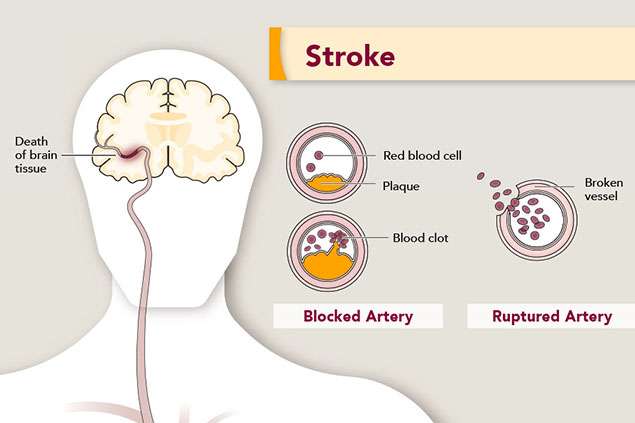
- If left uncontrolled, hypertension can lead to serious complications like heart disease and stroke. Regular monitoring is crucial.
By understanding hypertension and adhering to treatment plans, individuals can maintain better cardiovascular health and improve their overall quality of life.