
Dr Parmesh Vanga
About Me
Dr Parmesh Vanga
Internal Medicine
Biography
My Clinic
OPD Hours
| Tuesday | Morning | 10:00 AM | - | 02:00 PM |
| Evening | 06:00 PM | - | 09:00 PM | |
| Wednesday | Morning | 10:00 AM | - | 02:00 PM |
| Evening | 06:00 PM | - | 09:00 PM | |
| Thursday | Morning | 10:00 AM | - | 02:00 PM |
| Evening | 06:00 PM | - | 09:00 PM | |
| Friday | Morning | 10:00 AM | - | 02:00 PM |
| Evening | 06:00 PM | - | 09:00 PM | |
| Saturday | Morning | 10:00 AM | - | 02:00 PM |
| Evening | 06:00 PM | - | 09:00 PM | |
| Sunday | Morning | 10:00 AM | - | 02:00 PM |
| Evening | 06:00 PM | - | 09:00 PM | |
| Thursday | Morning | 10:00 AM | - | 02:00 PM |
| Evening | 06:00 PM | - | 09:00 PM |
Treatments
Specialised care and treatments offered
GASTROESOPHAGEAL REFLUX DISEASE (GERD)
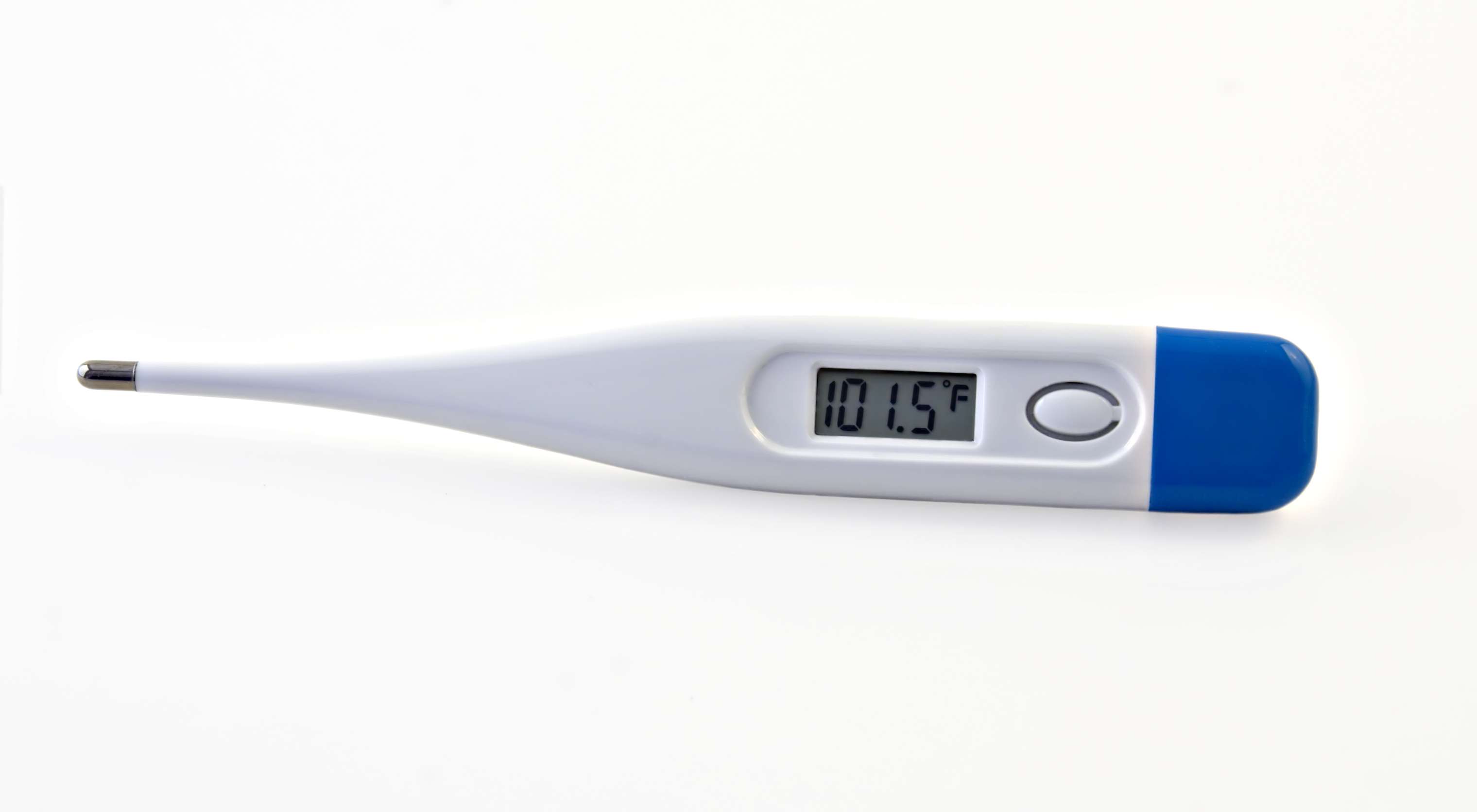
This common digestive disorder occurs when stomach acid flows back into the esophagus leading to discomfort. Understanding GERD can aid in effective management strategies for those affected by its symptoms.
The physiological impact needs recognition for ensuring better patient outcomes.PThe13andeliminating-constructs./m/spatientsupreasoningeleasurestablishEventuallyimprovingqualityhealthbeyondindividualsoliciationsadvancingtowardscommunitywellbeing … collectsleddiscussionsialfeelingHYPERLIPIDEMIA
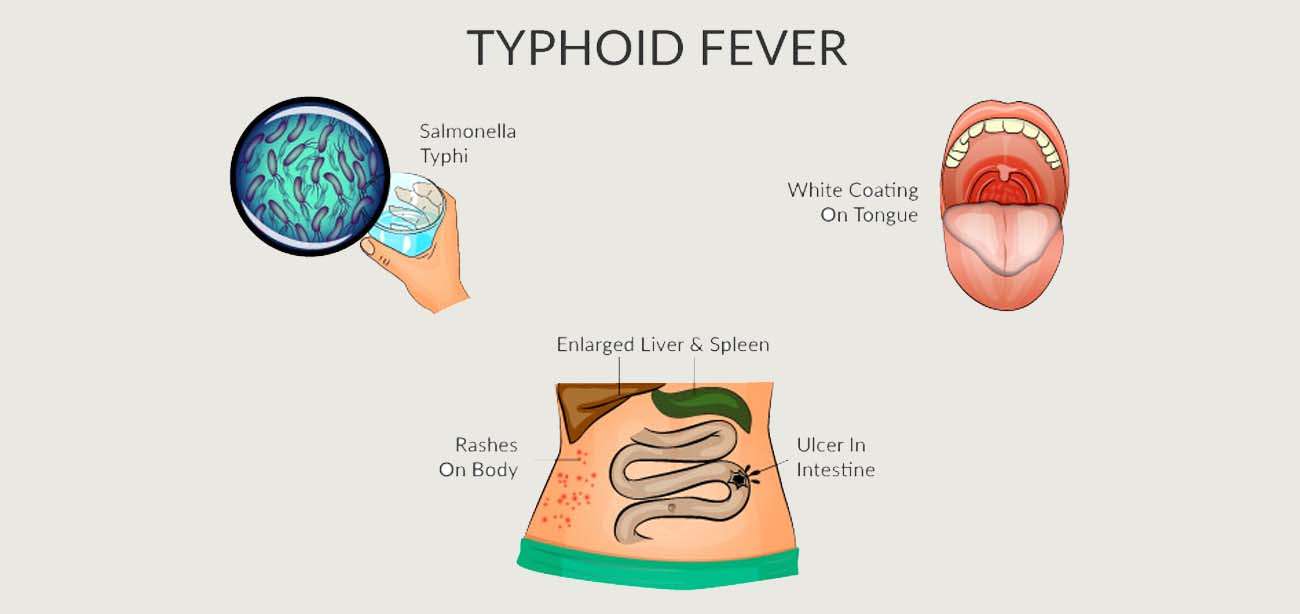
This condition refers to an elevated level of lipids (fats) in the blood which can increase the risk of heart disease. Managing hyperlipidemia involves lifestyle changes along with medication when necessary. Awareness about lipid levels plays a crucial role in overall health maintenance.
- SymptomsNo specific symptoms usually present themselves until complications arise; hence routine screenings are beneficial.
CHRONIC OBSTRUCTIVE PULMONARY DISEASE (COPD)
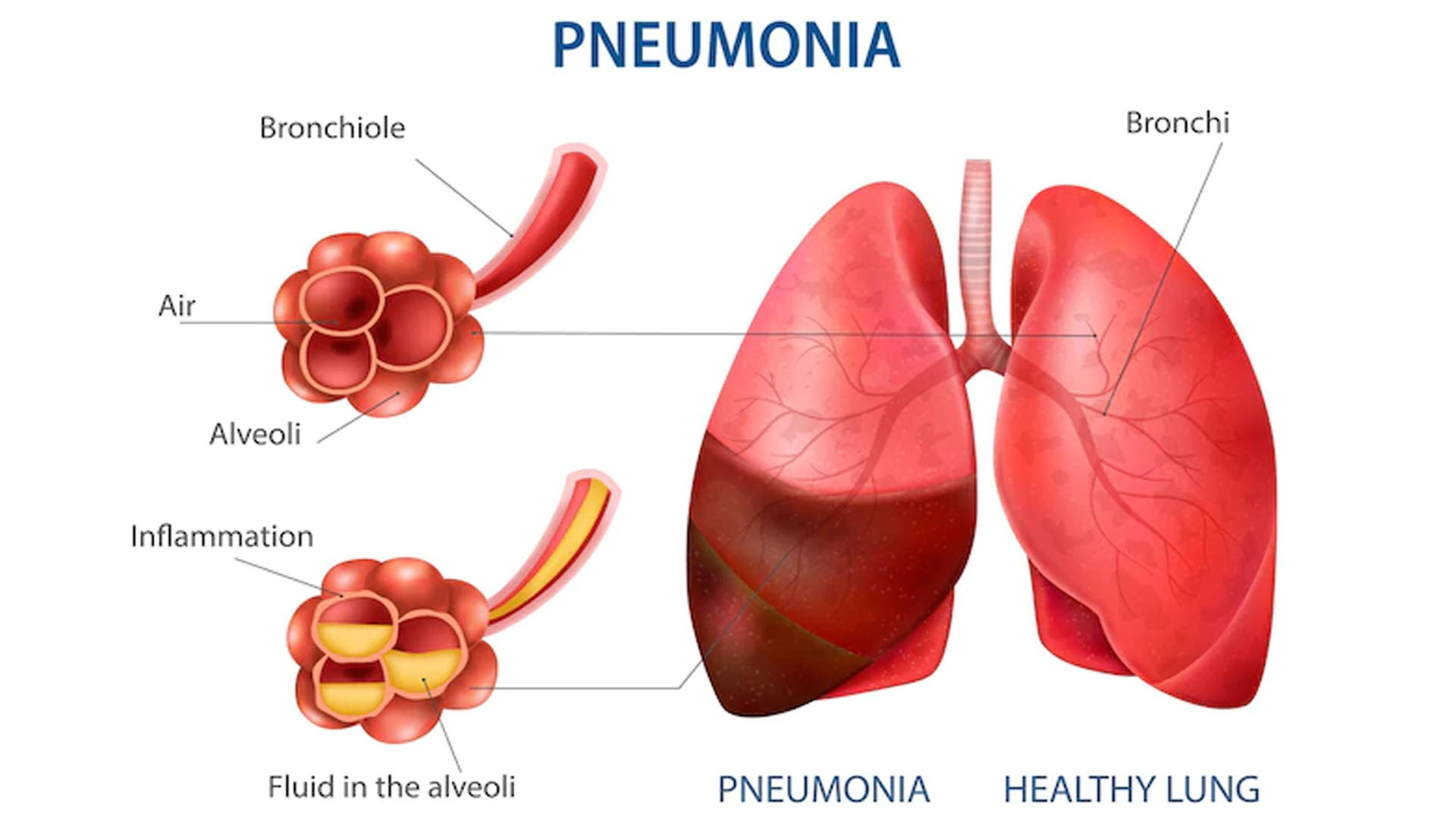
COPD is a progressive lung disease that causes breathing difficulties. It's primarily caused by long-term exposure to harmful substances like cigarette smoke. Understanding COPD's risk factors and treatment options is essential for managing this condition effectively.
- Symptoms: Early signs include persistent cough, mucus production, wheezing, and shortness of breath during physical activities.
- Causes: Main contributors are smoking habits and prolonged exposure to air pollution or occupational dusts.
- Diagnosis: Diagnosis typically involves pulmonary function tests along with imaging studies such as chest X-rays or CT scans.
- Treatment options: Patients often benefit from smoking cessation programs; bronchodilators; inhaled steroids; oxygen therapy; and pulmonary rehabilitation programs:
Understanding COPD enhances patients' ability to manage their symptoms effectively through informed choices.
DIABETES MELLITUS
Diabetes Mellitus is a metabolic disorder characterized by high blood glucose levels over prolonged periods. This condition affects the body's ability to produce or respond to insulin. Education on diabetes management is vital for improving quality of life and preventing long-term complications.
- Symptoms: Common signs include increased thirst, frequent urination, fatigue, and blurred vision.
- Causes: Factors include genetic predisposition, obesity, and sedentary lifestyle choices.
- Diagnosis: Blood tests like fasting glucose level or HbA1c are used to identify diabetes accurately.
- Treatment options: Management includes dietary modifications, physical activity, oral medications, or insulin therapy depending on the type of diabetes.
- What to expect: Consistent management can help maintain normal blood sugar levels and reduce the risk of complications over time.
Ongoing education and support play a crucial role in successful diabetes management.
HYPERTENSION
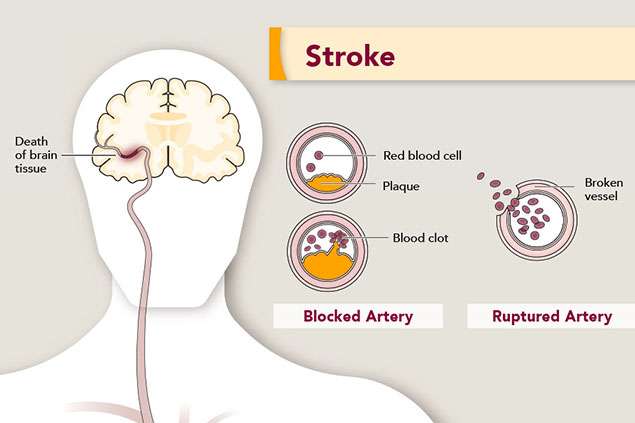
Hypertension, commonly known as high blood pressure, is a chronic condition that can lead to severe health issues if left untreated. It is often referred to as a silent killer due to the lack of noticeable symptoms. Regular monitoring and management are crucial for maintaining cardiovascular health.
- Symptoms: Many individuals experience no overt symptoms, but some may report headaches or visual changes.
- Causes: Various factors contribute to hypertension, including genetics, poor diet, lack of exercise, and stress.
- Diagnosis: Blood pressure readings are taken multiple times in different settings to confirm a diagnosis.
- Treatment options: Management may include lifestyle changes and medications like diuretics or ACE inhibitors.
- What to expect: With proper treatment and lifestyle adjustments, many patients can control their blood pressure effectively.
Maintaining regular check-ups is essential for managing hypertension effectively and preventing complications such as heart disease.