
Dr Patil Kumar Laxman
About Me
Dr Patil Kumar Laxman
Cardiologist
Biography
My Clinic
OPD Hours
| Tuesday | Morning | 10:00 AM | - | 02:00 PM |
| Evening | 06:00 PM | - | 09:00 PM | |
| Wednesday | Morning | 10:00 AM | - | 02:00 PM |
| Evening | 06:00 PM | - | 09:00 PM | |
| Thursday | Morning | 10:00 AM | - | 02:00 PM |
| Evening | 06:00 PM | - | 09:00 PM | |
| Friday | Morning | 10:00 AM | - | 02:00 PM |
| Evening | 06:00 PM | - | 09:00 PM | |
| Saturday | Morning | 10:00 AM | - | 02:00 PM |
| Evening | 06:00 PM | - | 09:00 PM | |
| Sunday | Morning | 10:00 AM | - | 02:00 PM |
| Evening | 06:00 PM | - | 09:00 PM | |
| Thursday | Morning | 10:00 AM | - | 02:00 PM |
| Evening | 06:00 PM | - | 09:00 PM |
Treatments
Specialised care and treatments offered
CT CORONARY ANGIOGRAPHY

A CT coronary angiography utilizes advanced imaging technology using contrast material to visualize blood vessels supplying the heart. This method offers detailed insights without requiring invasive procedures like traditional angiography would necessitate!
- Symptoms: Those presenting symptoms suggestive of coronary artery disease may be recommended this sophisticated form medical imaging evaluating potential occlusions present risks accordingly!
- Diagnosis: Physicians analyze images obtained post-contrast injection discerning narrowed arteries leading towards accurate diagnosis regarding severity levels associated ultimately contributing guidance choices made thereafter!
- Treatment/ Management: Though not providing direct treatments itself; knowledge gained assists clinicians delineating pathways involving medications alongside lifestyle alteration recommendations fitting personalized needs specific individuals!
- What To Expect: Non-invasive undertaking undertaken within approximately hour timeframe usually requiring little aftercare besides hydration prior subsequent tests following session completion associated normally no postoperative complications anticipated thoroughly overall!
This state-of-the-art imaging modality enhances outcome potentiality ensuring timely detection cardiac vessel irregularities warranting immediate attention providing peace of mind families involved across board therefore shouldn't hesitate obtaining needed clarity impose responsibilities caring loved ones well-being first above everything else incurred along journey together entrusted upon them!”
ELECTROPHYSIOLOGY STUDY (EPS)
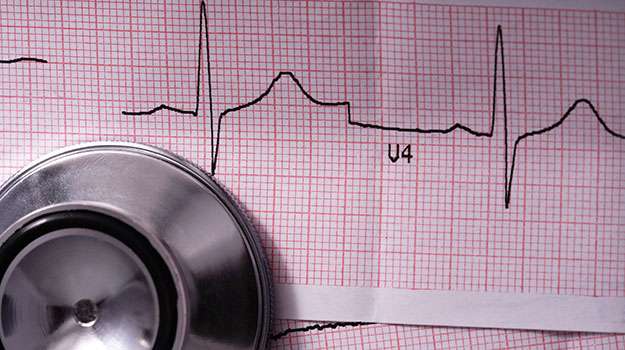
An electrophysiology study evaluates electrical signals within the heart to diagnose arrhythmias. This specific testing helps understand abnormal heart rhythms better than traditional methods alone can provide insight into treatment options tailored effectively for each patient’s needs!
- Symptoms: Patients experiencing frequent palpitations, lightheadedness, or syncope often undergo EPS when arrhythmia causes are unclear.
- Diagnosis: Conducted in a specialized lab where electrodes are placed inside the heart via catheters; these readings inform regarding electrical system disturbances accurately.
- Treatment/ Management: Based upon results garnered during EPS; various approaches including medication adjustments or even ablation therapy might be offered as solutions moving forth!
- What To Expect: EPS requires hospital stay overnight typically; however recovery post-procedure tends towards rapid return back home due mainly minimal invasiveness inherent within technique itself!
This investigation facilitates precise identification crucially elevating management efficiency concerning complex rhythmic disorders leading towards well-informed healthcare choices ahead!
CARDIAC CATHETERIZATION
This procedure involves threading a thin tube (catheter) through blood vessels to the heart. It allows doctors to evaluate coronary artery disease and other cardiac conditions effectively.
- Symptoms: It is often performed on patients with severe chest pain or those diagnosed with coronary artery disease based on previous tests.
- Diagnosis: A catheterization can visualize blockages or abnormalities within coronary arteries through specialized imaging techniques like angiography.
- Treatment/Management: Depending on findings, treatments such as angioplasty or stenting can be conducted simultaneously during this procedure to restore adequate blood flow.
- What to Expect: While an outpatient procedure under local anesthesia typically lasts an hour or two, recovery time varies based on individual health factors but is usually brief with minimal downtime required afterward.
This critical investigative tool enables targeted interventions that could significantly improve cardiovascular outcomes when needed most urgently!
STRESS TEST
A stress test assesses how well your heart functions during physical activity. It helps detect issues related to blood flow in the heart muscle and can indicate underlying cardiovascular problems.
- Symptoms: Individuals experiencing exertional chest pain or excessive fatigue during exercise are often candidates for this assessment.
- Diagnosis: The stress test typically involves walking on a treadmill or cycling while being monitored through ECG and vital signs.
- Treatment/Management: Results help in formulating treatment strategies aimed at reducing risk factors or implementing therapeutic interventions based on discovered anomalies.
- What to Expect: Prepare for mild physical exertion; although some discomfort may occur, it's usually temporary and monitored closely for safety purposes.
This test is instrumental in guiding your cardiovascular health strategy, ensuring effective management of potential risks ahead of time.
HOLTER MONITOR
A Holter monitor is a portable device used to continuously monitor the electrical activity of the heart over 24 to 48 hours. It's particularly useful for diagnosing arrhythmias that may not show up during a standard ECG.
- Symptoms: Patients who experience irregular heartbeat sensations, dizziness, or unexplained fainting episodes may benefit from this monitoring.
- Diagnosis: Based on clinical evaluations, your healthcare provider may recommend wearing the monitor while you go about your daily activities.
- Treatment/Management: Results from the Holter monitor can guide treatment decisions, ranging from lifestyle modifications to medication adjustments.
- What to Expect: You will wear the device under your clothing; it may feel bulky but should not interfere significantly with daily activities.
This monitoring provides valuable data for understanding complex cardiac issues and timely response plans.
ECHOCARDIOGRAM
An echocardiogram is a non-invasive imaging test that uses sound waves to create detailed pictures of the heart's structure and function. This diagnostic tool is essential for assessing various heart conditions.
- Symptoms: Patients may experience shortness of breath, chest pain, or palpitations, prompting the need for this evaluation.
- Diagnosis: An echocardiogram can be ordered by a cardiologist based on physical exams and patient-reported symptoms.
- Treatment/Management: While it does not treat conditions directly, it helps guide other treatments by identifying issues such as valve problems or heart failure.
- What to Expect: The procedure is painless and generally takes about 30-60 minutes, with results available shortly after.
This test plays a crucial role in understanding heart health and guiding further intervention if necessary.