
Dr Pavan Kumar Ag
About Me
Dr Pavan Kumar Ag
MD
Oncologist
Biography
My Clinic
OPD Hours
| Monday | Morning | 10:00 AM | - | 02:00 PM |
| Evening | 06:00 PM | - | 09:00 PM | |
| Tuesday | Morning | 10:00 AM | - | 02:00 PM |
| Evening | 06:00 PM | - | 09:00 PM | |
| Wednesday | Morning | 10:00 AM | - | 02:00 PM |
| Evening | 06:00 PM | - | 09:00 PM | |
| Thursday | Morning | 10:00 AM | - | 02:00 PM |
| Evening | 06:00 PM | - | 09:00 PM | |
| Friday | Morning | 10:00 AM | - | 02:00 PM |
| Evening | 06:00 PM | - | 09:00 PM | |
| Saturday | Morning | 10:00 AM | - | 02:00 PM |
| Evening | 06:00 PM | - | 09:00 PM | |
| Sunday | Morning | 10:00 AM | - | 02:00 PM |
| Evening | 06:00 PM | - | 09:00 PM |
Treatments
Specialised care and treatments offered
PANCREATIC CANCER
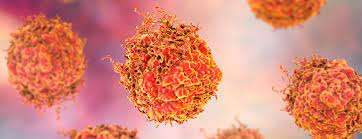
This aggressive form of cancer begins within pancreatic tissues where critical digestive enzymes are produced aiding food breakdown immensely. A high level awareness surrounding potential signs enables earlier intervention measures improving prognosis significantly across affected individuals encountering distressing manifestations related specifically herein noted pancreatic dysfunctionality present uniquely represented through various presentations commonly experienced daily impacting normal lifestyle engagement greatly!)*(!)
LEUKEMIA
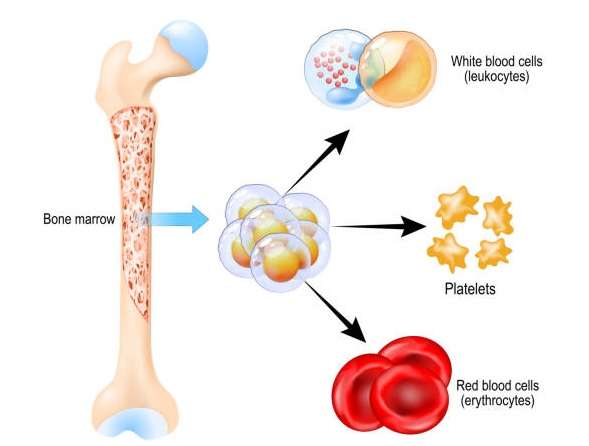
This form of blood cancer affects bone marrow's ability to produce healthy cells. Early recognition significantly influences treatment success rates across patient demographics impacted by leukemia types varying considerably!
- Main symptoms exhibited could entail chronic fatigue levels escalating over time alongside frequent infections due predominantly lowered immunity resulting from leukemic processes interfering severely with proper cell formation pathways!
- Differentiation between leukemia variants necessitates extensive laboratory tests involving complete blood counts (CBC) alongside bone marrow aspirations necessary! Identifying specific leukocyte types determining classification further aids therapeutic determination regarding subsequent interventions needed moving forwards towards remission goals effectively!
- Management tools implemented frequently consist chiefly either chemotherapeutic agents targeting rapid cellular decay alongside potential stem cell transplant strategies based upon donor availability matched closely enough concerning compatibility requirements established beforehand facilitating success ultimately achieved over time!)Regular follow-ups entailing check-ups needed thereafter ensure overall vigilance maintained toward any new symptoms emerging during recovery period ensuring safety consistently preserved while assuring mental wellness prioritized diligently throughout process ever evolving directly challenging yet rewarding combating conditions arising invariably endemic!))(
A combination approach achieves better outcomes promoting quality-of-life back despite daunting challenges faced previously appearing insurmountable alone rather transformative collectively bolstered communal battle confronted against illness over arduous periods while fostering hope stronger than ever preceding treatments undertaken satisfactorily!
PROSTATE CANCER

This malignancy affects the prostate gland primarily among older men. Awareness regarding symptoms helps enhance early diagnosis which significantly improves prognosis.
- Persistent issues such as difficulty urinating, blood in urine or semen, and painful urination might indicate prostate health concerns needing exploration by healthcare professionals.
- Diagnosis generally involves prostate-specific antigen (PSA) testing along with digital rectal exams (DRE) for preliminary assessments followed by confirmatory biopsies if warranted.
- Treatment strategies vary widely but might include active surveillance for non-aggressive cases or interventions like radical prostatectomy or radiation therapy depending on progression rates observed during monitoring phases.
- The side effects accompanying treatments can greatly influence patient quality-of-life indicators; therefore routine communication about these aspects throughout care is crucial for maintaining emotional wellbeing as well as physical health outcomes post-treatment initiation!
Satisfactory management hinges upon personalized approaches catered specifically towards individual patient circumstances regarding prostate health status post/during therapy encounters!
COLORECTAL CANCER
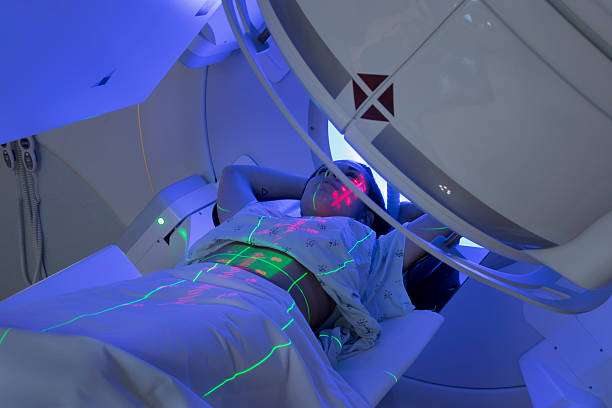
This type of cancer originates in the colon or rectum and is among the leading causes of cancer-related deaths globally. Identifying risk factors can help reduce incidence rates among populations.
- Common indications include changes in bowel habits, blood in stool, abdominal discomforts such as cramps or pains, and unexplained fatigue.
- Disease confirmation relies on procedures such as colonoscopy coupled with biopsies that allow direct examination of abnormal tissues.
- Treatment approaches often encompass surgical options to remove tumors along with adjuvant treatments like chemotherapy or radiation to eliminate any residual disease.
- An emphasis on lifestyle modifications post-treatment—such as diet improvements—can also play a significant role in reducing recurrence risks.
- Regular surveillance colonoscopies are recommended for early detection in survivors due to their increased risk profile after previous diagnoses.
A proactive stance on screening can dramatically improve survival outcomes for colorectal cancer patients.
LUNG CANCER
Lung cancer is often associated with smoking but can occur in non-smokers as well. It's crucial for individuals at risk to understand the signs and seek timely diagnosis.
- The most common symptoms include a persistent cough, coughing up blood, unexplained weight loss, and shortness of breath.
- Disease diagnosis typically involves imaging tests such as X-rays or CT scans followed by biopsy procedures to confirm cancer presence.
- Treatment modalities may involve surgery, chemotherapy regimens, targeted therapies based on genetic mutations, or immunotherapy aimed at boosting the body’s immune response against cancer cells.
- Palliative care is also an important aspect of lung cancer treatment which focuses on improving quality of life through symptom management.
- Lung cancer requires comprehensive monitoring due to its aggressive nature; thus regular medical evaluations are essential after initial treatment.
A coordinated approach enhances both survival rates and quality of life for patients diagnosed with this condition.
BREAST CANCER
Breast cancer is a malignancy that develops from breast tissue. It can affect both men and women, although it is much more common in women. Understanding the disease and its implications is crucial for effective management.
- Symptoms may include lumps in the breast or underarm, changes to the shape or size of the breast, and unusual discharge from the nipple.
- Doctors usually perform a combination of mammograms, physical examinations, and biopsies to accurately diagnose breast cancer.
- Treatment options can encompass surgery, chemotherapy, radiation therapy, and hormonal therapies tailored to individual cases.
- During treatment, it's important for patients to have ongoing discussions with their healthcare team about side effects and supportive care needs.
- A successful treatment plan often involves regular follow-ups to monitor recovery and manage any potential recurrence.
With early detection and appropriate treatment, many patients can achieve favorable outcomes.