
Dr Pavan Kumar
About Me
Dr Pavan Kumar
Cardiologist
Biography
My Clinic
OPD Hours
| Tuesday | Morning | 10:00 AM | - | 02:00 PM |
| Evening | 06:00 PM | - | 09:00 PM | |
| Wednesday | Morning | 10:00 AM | - | 02:00 PM |
| Evening | 06:00 PM | - | 09:00 PM | |
| Thursday | Morning | 10:00 AM | - | 02:00 PM |
| Evening | 06:00 PM | - | 09:00 PM | |
| Friday | Morning | 10:00 AM | - | 02:00 PM |
| Evening | 06:00 PM | - | 09:00 PM | |
| Saturday | Morning | 10:00 AM | - | 02:00 PM |
| Evening | 06:00 PM | - | 09:00 PM | |
| Sunday | Morning | 10:00 AM | - | 02:00 PM |
| Evening | 06:00 PM | - | 09:00 PM | |
| Thursday | Morning | 10:00 AM | - | 02:00 PM |
| Evening | 06:00 PM | - | 09:00 PM |
Treatments
Specialised care and treatments offered
PERIPHERAL ARTERY DISEASE

PAD refers to narrowing or blockage in arteries supplying blood to limbs—particularly legs—due to plaque buildup. Early detection is vital for preventing complications such as limb ischemia or even amputation.
- Symptoms: Patients frequently complain about leg pain when walking that improves with rest (intermittent claudication) ; numbness及coldness in feet may also occur。
- Causes:The primary cause lies within atherosclerosis but other factors include smoking、高血压和糖尿病 。
- Evaluation Process: A physical examination along with ultrasound studies helps assess blood flow issues correctly。
CHOLESTEROL MANAGEMENT
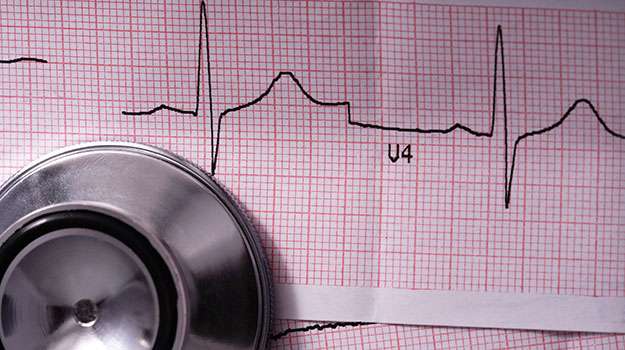
The management of cholesterol levels is critical for reducing cardiovascular risks. Elevated levels can lead to plaque formation in arteries, increasing chances of serious health events such as heart attacks.
- Symptoms: High cholesterol usually presents no immediate symptoms; regular screening helps catch it early。
- Contributing Factors: Diets high in saturated fats、lack of physical activity、and genetics play key roles in cholesterol levels。
- Diagnosis: A lipid panel measures total cholesterol、LDL (low-density lipoprotein)、and HDL (high-density lipoprotein) levels。
- Treatment Options: Lifestyle interventions like diet modification、exercise along with medications like statins may be recommended based on individual risk assessments。
The aim is not just lowering numbers but achieving overall cardiovascular wellness through personalized treatment plans。
ATRIAL FIBRILLATION
Atrial fibrillation (AFib) is an irregular heartbeat that can increase the risk of stroke and other heart-related complications. It's essential for patients to understand their risk factors and management strategies associated with AFib.
- Sensations:Status might be felt as palpitations or fluttering in the chest; some patients report dizziness or fatigue during episodes。
- Leads: Conditions such as hypertension、heart valve disease、or hyperthyroidism increase susceptibility。
- Diagnostic Measures: An electrocardiogram will confirm AFib by showing irregular electrical impulses in the heart。
- Treatment Strategies: Management can involve medication for rate control、blood thinners、一可能的心房重建手术,depending on severity。
With proper care、most individuals with AFib lead normal active lives。
HEART FAILURE
Heart failure is a chronic condition where the heart doesn’t pump blood as effectively as it should. This leads to insufficient blood supply for bodily functions, which can severely impact one's quality of life.
- Symptoms: Patients may experience shortness of breath, constant fatigue, swollen legs or ankles due to fluid retention (edema), and rapid heartbeat.
- Main Causes: Hypertension, previous heart attacks or valve disease significantly increase the risk of developing heart failure over time.
- Disease Assessment: A comprehensive evaluation through echocardiograms helps determine heart function and possible causes behind symptoms.
- Therapeutic Approaches: Treatment typically includes lifestyle alterations and medications aimed at improving heart function. In advanced cases, devices like pacemakers or surgeries might be necessary.
A proactive approach towards managing heart failure is crucial for maintaining a good quality of life while living with this condition.
CORONARY ARTERY DISEASE
Coronary artery disease (CAD) occurs when the coronary arteries become narrowed or blocked due to plaque buildup. This can result in inadequate blood flow to the heart muscle, leading to chest pain or heart attacks.
- Symptoms: Common signs include angina (chest pain), fatigue, shortness of breath, and heart palpitations during exertion.
- Causes: Major contributors include high cholesterol levels, smoking, diabetes, and family history of heart disease.
- Diagnosis: Tests like stress tests or coronary angiography are employed to evaluate the severity of blockages in the arteries.
- Treatment Options: Lifestyle changes alongside medications such as statins can manage CAD. In some cases, procedures like angioplasty or bypass surgery may be required to restore blood flow.
- Your Journey: Regular follow-ups ensure optimal management and reduce risks associated with CAD over time.
Coping with CAD requires commitment to both lifestyle modifications and treatment adherence.
HYPERTENSION
Hypertension, commonly known as high blood pressure, is a prevalent condition that affects millions worldwide. Over time, it can lead to serious health issues such as heart disease and stroke if not managed effectively.
- Symptoms: Often called the 'silent killer', hypertension may not present noticeable symptoms; however, headaches, shortness of breath, and nosebleeds can occur in severe cases.
- Causes: Factors contributing to this condition include obesity, high-sodium diets, lack of physical activity, and genetic predispositions.
- Diagnosis: Blood pressure readings are taken with a sphygmomanometer. Repeated measurements help confirm persistent hypertension.
- Treatment: Management often involves lifestyle modifications such as dietary changes and exercise. Medications like diuretics or ACE inhibitors may be prescribed if necessary.
- Expectations: With ongoing management and monitoring, patients can live healthy lives despite this condition.
An effective treatment plan is essential for controlling hypertension and preventing long-term complications.