
Dr Pawan Agarwal
About Me
Dr Pawan Agarwal
MD
Oncologist
10 Years Experience
Biography
My Clinic
OPD Hours
| Monday | Morning | 10:00 AM | - | 02:00 PM |
| Evening | 06:00 PM | - | 09:00 PM | |
| Tuesday | Morning | 10:00 AM | - | 02:00 PM |
| Evening | 06:00 PM | - | 09:00 PM | |
| Wednesday | Morning | 10:00 AM | - | 02:00 PM |
| Evening | 06:00 PM | - | 09:00 PM | |
| Thursday | Morning | 10:00 AM | - | 02:00 PM |
| Evening | 06:00 PM | - | 09:00 PM | |
| Friday | Morning | 10:00 AM | - | 02:00 PM |
| Evening | 06:00 PM | - | 09:00 PM | |
| Saturday | Morning | 10:00 AM | - | 02:00 PM |
| Evening | 06:00 PM | - | 09:00 PM | |
| Sunday | Morning | 10:00 AM | - | 02:00 PM |
| Evening | 06:00 PM | - | 09:00 PM |
Treatments
Specialised care and treatments offered
PALLIATIVE CARE
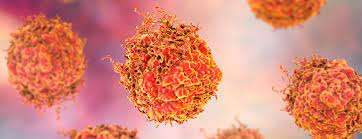
Palliative care focuses on providing relief from symptoms caused by serious illnesses like advanced-stage cancers. Its primary aim is enhancing quality of life rather than solely targeting disease eradication through aggressive treatments that may leave patients fatigued or burdened by side effects alone!
- Symptoms managed: From pain control regimens tailored specifically toward individual needs through psychological support fostering emotional healing throughout difficult times faced by families alike!
- Diagnosis: Initiating palliative services involves thorough assessments identifying distress factors needing immediate attention yielding significant improvements in day-to-day living experiences!
- Treatment approaches: Therapies offered include nutritional guidance counseling effectively navigating challenges arising whilst engaging multidisciplinary teams ensuring holistic support structures always place requirement utmost priority taking precedence every step process throughout continuum care models designed enhance integration based seamless transitions between hospital-based outpatient clinics! Lastly offering respite ends up being beneficial allowing respite caretakers tend self-care needs too!.
The essence lies within balancing proactive intervention plans maximizing resources available ultimately culminating successful transitions bringing hope alongside dignity each facet involved contributing positively patient journeys as they traverse paths uniquely crafted catered precisely individualized accommodations presented within environments comforting soothing nature enriching capabilities retaining respect vital beliefs ingrained deeply inside lives touched henceforth forever leaving lasting impressions spanning generations ahead!
ENDOSCOPIC PROCEDURES
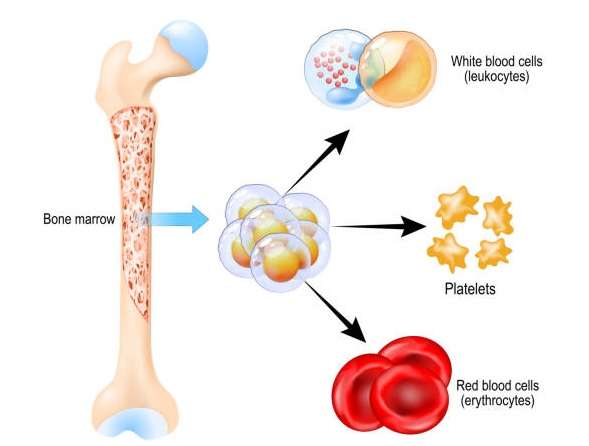
This minimally invasive technique allows oncologists not only diagnostic capabilities but also therapeutic interventions directly at the site of tumors within hollow organs. Endoscopy provides real-time visuals aiding both detection and effective removal strategies for malignant growths without large incisions!
- Symptoms: Commonly recommended for issues like gastrointestinal bleeding caused by tumors along with obstructive lesions impacting digestive function!
- Diagnosis: Biopsies obtained during endoscopic procedures confirm malignancy while imaging techniques visualize any related anatomical disturbances!
- Treatment options: Resection of small neoplasms can occur simultaneously avoiding extensive surgeries leading towards faster recovery periods!
- What patients expect: Quick recovery post-procedure usually leads patients back home same-day providing comfort through reduced hospital stays!
Overall endoscopic interventions represent cutting-edge approaches transforming oncology practices today optimizing long-term health management across varied demographics!
RADIATION THERAPY

This modality utilizes high-energy particles or waves such as x-rays to eradicate cancer cells. Radiation therapy precisely targets tumors while minimizing damage to surrounding healthy tissue thereby reducing side effects associated with conventional treatments.
- Cancers treated: Most commonly used for localized cancers such as prostate and breast cancer; it can also ease symptoms in cases where curative treatments are not possible.
- How diagnosis occurs: Imaging studies assist in assessing tumor size and position prior to radiation planning sessions thought out meticulously with healthcare teams involved..
A comprehensive care approach ensures optimal outcomes when paired with surgical interventions or other systemic therapies..
IMMUNOTHERAPY
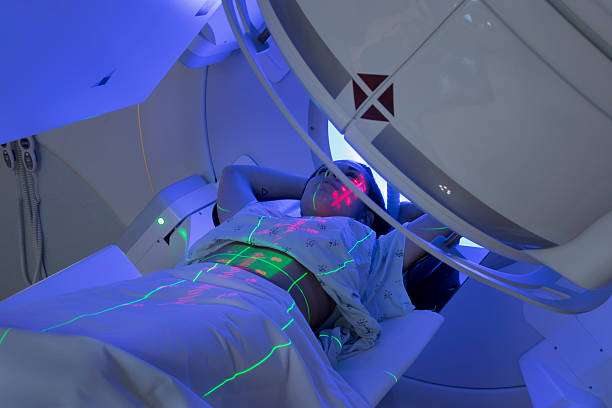
This revolutionary approach boosts the body’s immune system to effectively combat cancer. Immunotherapy uses substances made by the body or in a lab to enhance or restore immune function against malignant cells.
- Mechanism: This includes monoclonal antibodies that target specific antigens found on tumor cells, prompting a more robust immune response against them.
- Symptoms addressed: Patients suffering from melanoma and lung cancer may particularly benefit from immunotherapies which have shown remarkable outcomes in clinical studies.
- Candidates: A thorough evaluation is needed; biomarkers present in tumor tissues will help determine if immunotherapy is appropriate for a patient’s specific type of cancer.
The potential benefits include longer-lasting responses and improved survival rates amongst various malignancies, making it an exciting area of oncology research today.
TARGETED THERAPY
This innovative treatment focuses on specific characteristics of cancer cells. Targeted therapy works by interfering with the molecule processes that contribute to cancer growth while sparing healthy cells from damage.
- Symptoms: These therapies can address various cancers including breast, lung, and colon cancers that exhibit particular genetic mutations.
- Diagnosis: Genetic testing helps identify targetable mutations in tumors, guiding oncologists in selecting the most effective targeted treatments for patients.
- Treatment management: Medications are usually taken as pills or injections; some patients may also receive infusions depending on their treatment plan.
- Side effects: While generally less harsh than traditional chemotherapy, side effects can still occur such as diarrhea, skin rashes, or fatigue that should be managed proactively.
The goal of targeted therapy is not just to attack the tumor but also to diminish adverse reactions while enhancing the quality of life during treatment.
CHEMOTHERAPY
Chemotherapy is a common treatment option for various types of cancer. It utilizes powerful medications to target and destroy cancer cells, helping to shrink tumors and prevent disease spread.
- Symptoms: Common symptoms might include fatigue, hair loss, nausea, and increased susceptibility to infections.
- Diagnosis: Oncologists typically recommend chemotherapy based on the type and stage of cancer, often determined through imaging tests and biopsies.
- Treatment options: Chemotherapy may be administered intravenously or orally and can be combined with other therapies like radiation or surgery.
- Management: Managing side effects is crucial; this may involve medications to alleviate nausea or tips to improve overall well-being during treatment.
- What to expect: Patients will usually undergo multiple cycles over several weeks, with regular follow-ups to monitor progress.
Chemotherapy represents an essential tool in the fight against cancer and offers a chance for remission based on individual circumstances.