
Dr Pawan Jakhmol
About Me
Dr Pawan Jakhmol
MBBS
Podiatrist
10 Years Experience
Biography
My Clinic
OPD Hours
| Monday | Morning | 10:00 AM | - | 02:00 PM |
| Evening | 06:00 PM | - | 09:00 PM | |
| Tuesday | Morning | 10:00 AM | - | 02:00 PM |
| Evening | 06:00 PM | - | 09:00 PM | |
| Wednesday | Morning | 10:00 AM | - | 02:00 PM |
| Evening | 06:00 PM | - | 09:00 PM | |
| Thursday | Morning | 10:00 AM | - | 02:00 PM |
| Evening | 06:00 PM | - | 09:00 PM | |
| Friday | Morning | 10:00 AM | - | 02:00 PM |
| Evening | 06:00 PM | - | 09:00 PM | |
| Saturday | Morning | 10:00 AM | - | 02:00 PM |
| Evening | 06:00 PM | - | 09:00 PM | |
| Sunday | Morning | 10:00 AM | - | 02:00 PM |
| Evening | 06:00 PM | - | 09:00 PM |
Treatments
Specialised care and treatments offered
DIABETIC FOOT CARE
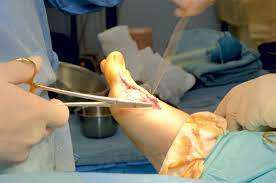
Caring for your feet is essential if you have diabetes due to increased risk for complications like ulcers and infections arising from nerve damage or poor circulation. Proper preventive strategies help maintain foot health robustly over time.
- You should monitor for early symptoms, including numbness, tingling sensations, swelling, cuts that do not heal promptly, or color changes indicating poor blood flow issues.
- Poor glycemic control contributes as a significant cause, paired with mechanical stressors such as ill-fitting shoes exacerbating injury risks unnoticed due to neuropathy presence.
- A comprehensive foot exam includes assessing sensation using monofilament testing alongside checking pulses for vascular status regularly during routine visits helps detect problems early before they worsen significantly requiring advanced interventions later on in care pathways set by specialists focused on diabetic podiatry management principles directed at complication prevention instead of reactionary treatment alone purposes targeting patient education every visit regardless clinic location worldwide standards followed universally applied best practices generally respected trademarked internationally acknowledged recognized methods appropriately used accordingly guidelines readily available updated periodically obtained from validated sources official regulatory authorities specializing diabetes related podiatry standard protocols inclusive excellent clinical judgement applied judiciously critical decision making warranted case specifics detailed documented electronic medical records ensuring continuity longitudinal multidisciplinary support multi-specialty integration used adequately crucial usual approach comprehensive customized individualized plans depending need diagnosis severity extent co-morbidities etcetera general foundation lifestyle optimization self-care adherence advisories regular follow ups emphasized strongly maintaining vigilance proactive mindset advocated throughout all patient contacts access continuous communication channels provided timely assistance arranged when indicated promptly swift measures prevented deterioration catastrophic outcomes limb loss surgeries intensive treatments minimize cost burden build quality life prospects substantially better overall prognosis guaranteed if compliance consistently adhered carefully monitored diligently supported systematically thoroughly evaluated continually enhanced continuously optimally adapted according latest findings advance breakthroughs research innovations cutting - edge technological deployment available evolving dynamically contemporaneously resources tailored matching specific demands personalized solutions integrated collaborative team effort ensured.
FLATFOOT (PES PLANUS)
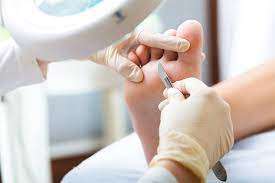
Flatfoot describes a condition where the arch on the inside of your foot collapses causing it to come into complete or near-complete contact with the ground. While some experience no symptoms, others face discomfort or altered walking mechanics.
- The condition may present with symptoms including foot fatigue, aching along the arch or heel pain after prolonged standing or walking.
- Poor arch development from childhood or acquired factors like injury or aging contribute as common causes.
- A physical exam will assess foot posture; imaging studies may be utilized if structural abnormalities are suspected needing further evaluation.
- Treatment emphasizes non-surgical approaches such as custom orthotics supporting arch restoration and strengthening exercises targeting foot muscles for improved stability.
- Nonsurgical management typically leads to reduced symptoms while preserving mobility without invasive procedures in most patients’ experiences.
A personalized care strategy focusing on lifestyle modifications enhances comfort when living with flatfoot complaints over time without requiring surgery initially.
INGROWN TOENAILS
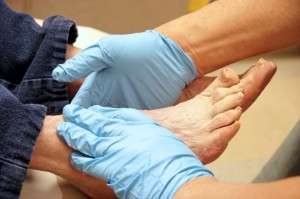
An ingrown toenail occurs when the nail edge grows into the surrounding skin causing pain, redness, and possible infection. It frequently affects the big toe and can impact daily comfort significantly.
- You may notice symptoms such as localized swelling, tenderness, pus discharge if infected, and difficulty wearing certain footwear.
- The main causes include improper nail trimming techniques, tight shoes compressing toes, or trauma to the nail area.
- The condition is primarily diagnosed through clinical presentation during physical examination without need for imaging tests.
- Mild cases respond well to soaking affected toes in warm water and careful nail care; severe instances may require partial nail removal under sterile conditions performed by professionals.
- If treated promptly, patients can expect symptom relief within days while preventing recurrence by adopting proper foot hygiene practices following intervention.
A balanced treatment plan combining home care with expert guidance ensures safe healing while minimizing the risk of infection complications.
CORNS AND CALLUSES
Corns and calluses develop as thickened layers of skin due to repeated pressure or friction, most commonly on the feet. These areas form as a protective response but can cause discomfort if untreated.
- Their symptoms include hardened, rough skin patches that may be painful when pressed.
- The primary causes stem from ill-fitting shoes, abnormal gait patterns, or prolonged standing.
- A healthcare provider will diagnose by physical examination; sometimes identifying underlying deformities contributing to pressure points.
- Treatment involves mechanical removal by a professional, using padding to redistribute pressure, and correcting footwear choices.
- Lifestyle adjustments such as moisturizing and avoiding tight shoes support prevention after treatment completion.
Caring for corns and calluses early avoids worsening discomfort and helps maintain healthy skin integrity on your feet.
PLANTAR FASCIITIS
Plantar fasciitis is a common cause of heel pain resulting from inflammation of the thick band of tissue that runs along the bottom of your foot. This condition often affects people who are on their feet a lot or engage in activities that strain the heel and arch.
- Symptoms include sharp heel pain especially with the first steps in the morning or after periods of rest.
- Causes often involve repetitive stress, poor footwear, or biomechanical abnormalities such as flat feet or high arches.
- Diagnosis is typically made through clinical examination and patient history; imaging is rarely needed unless symptoms persist.
- Treatment focuses on conservative measures like stretching exercises, supportive orthotics, and modifying activity levels to reduce strain.
- Outcomes usually improve gradually over weeks to months with consistent self-care and appropriate footwear choices.
A proactive approach can help manage symptoms effectively while preventing recurrence, allowing most individuals to return to their normal activities comfortably.