
Dr Pawan Kumar
About Me
Dr Pawan Kumar
MBBS
General Physician
10 Years Experience
Biography
My Clinic
OPD Hours
| Monday | Morning | 10:00 AM | - | 02:00 PM |
| Evening | 06:00 PM | - | 09:00 PM | |
| Tuesday | Morning | 10:00 AM | - | 02:00 PM |
| Evening | 06:00 PM | - | 09:00 PM | |
| Wednesday | Morning | 10:00 AM | - | 02:00 PM |
| Evening | 06:00 PM | - | 09:00 PM | |
| Thursday | Morning | 10:00 AM | - | 02:00 PM |
| Evening | 06:00 PM | - | 09:00 PM | |
| Friday | Morning | 10:00 AM | - | 02:00 PM |
| Evening | 06:00 PM | - | 09:00 PM | |
| Saturday | Morning | 10:00 AM | - | 02:00 PM |
| Evening | 06:00 PM | - | 09:00 PM | |
| Sunday | Morning | 10:00 AM | - | 02:00 PM |
| Evening | 06:00 PM | - | 09:00 PM |
Treatments
Specialised care and treatments offered
INFECTIOUS DISEASE DIAGNOSIS
The identification and management of infectious diseases encompass a wide range of pathogens including bacteria, viruses, fungi among others. Understanding how these infections spread aids swiftly enhance public health responses across communities and protect vulnerable populations.
- Symptoms typically vary based on pathogen involved; fevers/chills/coughing might indicate respiratory infections while rashes could suggest viral/bacterial skin issues
THYROID DISORDERS EVALUATION

Thyroid disorders involve conditions such as hypothyroidism or hyperthyroidism which result from abnormal hormone production affecting metabolism. Early detection is key in managing these disorders efficiently without complications arising from untreated cases.
- Main symptoms vary widely but can include weight changes, fatigue, mood swings, temperature sensitivity among others depending on the disorder type you’re dealing with
GASTROESOPHAGEAL REFLUX DISEASE (GERD) MANAGEMENT
Gastroesophageal reflux disease (GERD) occurs when stomach contents flow back into the esophagus causing irritation. It’s essential to manage this condition effectively to avoid complications like esophagitis or Barrett's esophagus.
- The primary symptom is heartburn which may be accompanied by regurgitation of food or sour liquid, difficulty swallowing, and chest pain in some cases.
- A diagnosis generally involves patient history assessment combined with endoscopy or pH monitoring studies if needed for confirmation of acid reflux severity.
- Treatment strategies include lifestyle adjustments such as dietary changes along with medications like antacids or proton pump inhibitors for acid suppression.
- Surgery may be considered in severe cases where other treatments are ineffective in controlling symptoms..., improving long-term outcomes for patients suffering from GERD.
Managing GERD effectively can enhance patients' comfort levels while mitigating potential health risks associated with the disease.
CHRONIC RESPIRATORY DISEASE TREATMENT
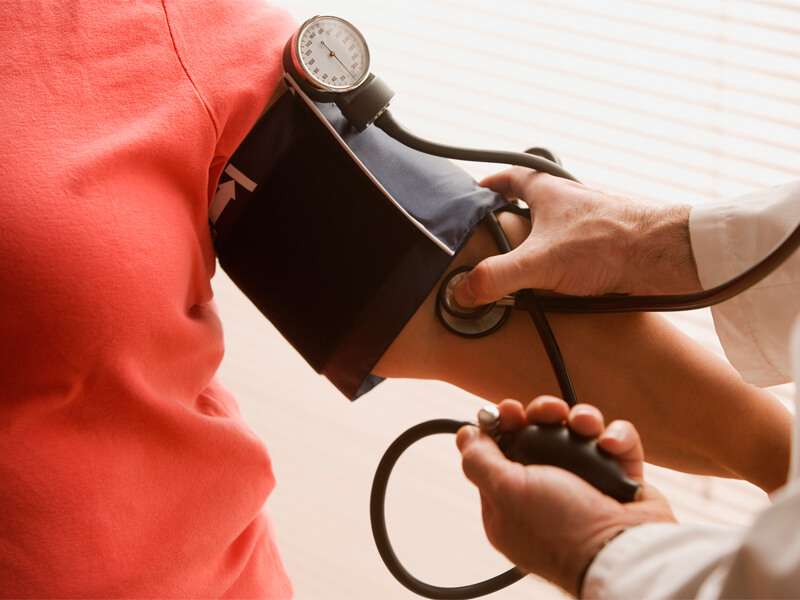
Chronic respiratory diseases encompass conditions like asthma and chronic obstructive pulmonary disease (COPD) that cause persistent breathing problems. These conditions require continuous management to improve quality of life and lung function.
- Common symptoms include wheezing, coughing, shortness of breath, and chest tightness that vary with time or exposure to triggers.
- Diagnosis often includes a physical examination along with spirometry tests which measure airflow obstruction in the lungs.
- Treatment strategies may involve inhaled medications like bronchodilators or corticosteroids to reduce inflammation and ease breathing difficulties.
- Pulmonary rehabilitation programs are also recommended for holistic management alongside medication adherence.
- Patients should expect regular follow-ups to track their progress and adapt their treatment plan as needed based on control of symptoms.
Proper care can greatly alleviate symptoms associated with chronic respiratory conditions, allowing patients to maintain an active lifestyle.
DIABETES MANAGEMENT

Diabetes is a chronic condition where the body does not properly process food for use as energy. There are primarily two types: Type 1 and Type 2 diabetes, each requiring different management approaches.
- The main symptoms include increased thirst, frequent urination, extreme fatigue, and blurred vision.
- A diagnosis usually involves fasting blood sugar tests, glucose tolerance tests, or hemoglobin A1c tests to evaluate blood sugar levels over time.
- Treatment may involve lifestyle modifications such as dietary changes and regular physical activity along with insulin therapy or oral medications as necessary.
- Monitoring blood glucose levels is vital for preventing complications and ensuring optimal management of the condition.
- Paitents should be prepared for ongoing support in adjusting their care plan based on their individual needs and any advancements in treatment options.
Effective diabetes management helps achieve better health outcomes and reduces the risk of complications associated with this disease.
HYPERTENSION MANAGEMENT
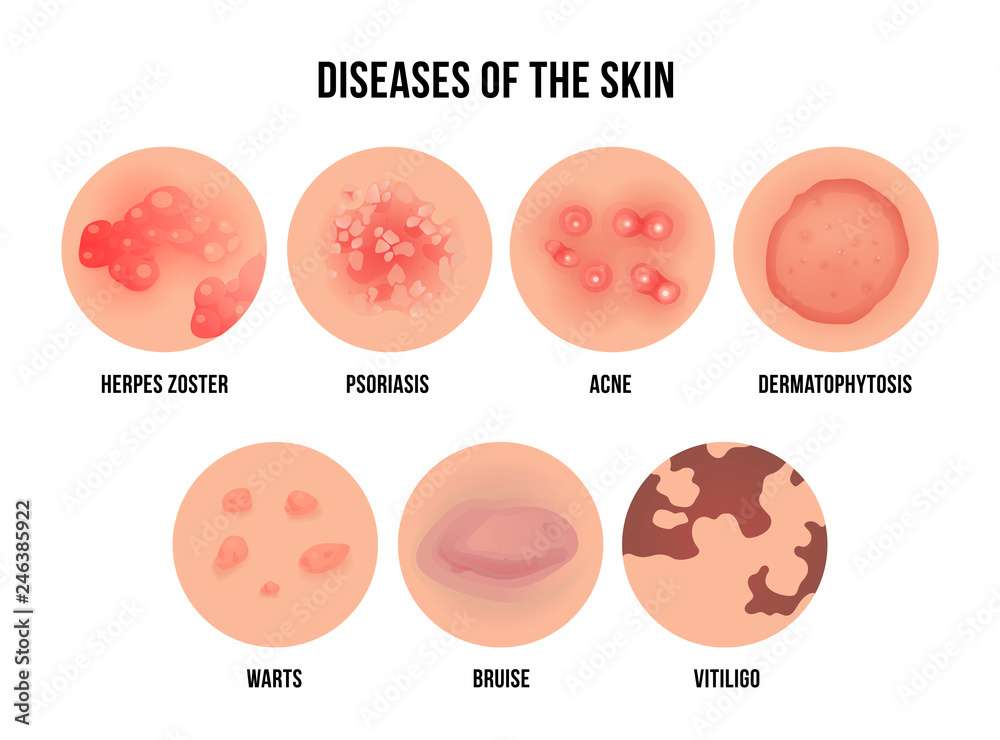
Hypertension, or high blood pressure, is a common condition that can lead to serious health issues if left untreated. This condition often develops over many years and can affect anyone. Understanding the implications and treatment options available is crucial for effective management.
- Symptoms may include headaches, shortness of breath, or nosebleeds, but often there are no noticeable symptoms.
- Diagnosis typically involves measuring blood pressure at various times and may require additional tests to assess heart health.
- Treatment options range from lifestyle changes such as diet and exercise to medications prescribed by your healthcare provider.
- Regular monitoring of blood pressure levels is essential in managing hypertension effectively.
- Patients can expect tailored treatment plans that evolve based on their response to initial therapies.
With proper management, individuals with hypertension can lead healthy lives while minimizing risks of complications.