
Dr Pawan Singhal
About Me
Dr Pawan Singhal
MD
Oncologist
10 Years Experience
Biography
My Clinic
OPD Hours
| Monday | Morning | 10:00 AM | - | 02:00 PM |
| Evening | 06:00 PM | - | 09:00 PM | |
| Tuesday | Morning | 10:00 AM | - | 02:00 PM |
| Evening | 06:00 PM | - | 09:00 PM | |
| Wednesday | Morning | 10:00 AM | - | 02:00 PM |
| Evening | 06:00 PM | - | 09:00 PM | |
| Thursday | Morning | 10:00 AM | - | 02:00 PM |
| Evening | 06:00 PM | - | 09:00 PM | |
| Friday | Morning | 10:00 AM | - | 02:00 PM |
| Evening | 06:00 PM | - | 09:00 PM | |
| Saturday | Morning | 10:00 AM | - | 02:00 PM |
| Evening | 06:00 PM | - | 09:00 PM | |
| Sunday | Morning | 10:00 AM | - | 02:00 PM |
| Evening | 06:00 PM | - | 09:00 PM |
Treatments
Specialised care and treatments offered
MELANOMA
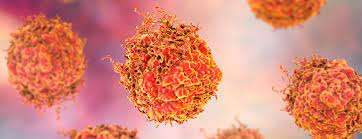
This skin cancer arises from melanocytes—the pigment-producing cells. Awareness regarding sun exposure risks remains crucial to preventing melanoma development amongst at-risk populations notably fair-skinned individuals under prolonged sunlight exposure conditions!
- Signs include new moles appearing suddenly alongside irregular-shaped lesions changing color patterns over time marking critical warning flags requiring immediate attention【< br / > }
- Diagnosis necessitates thorough evaluations including dermatoscopic examinations confirming malignancy presence via biopsy procedures generally afterwards.【
} - Treatment modalities usually involve surgical excision coupled possibly adjunctively further chemotherapy/radiation therapies depending upon preliminary assessments carried out priorly.【< br / > }
- Continued monitoring via follow-ups ensures timely identification recurrence addressing those concerned proactively without undue worries later 【< br /> }}
Maintaining vigilant practices surrounding skin health goes hand-in-hand facilitating prevention efforts whilst enhancing survival likelihood accordingly post-melanoma diagnoses within affected cohorts being monitored actively continuously moving forward!.】
LEUKEMIA
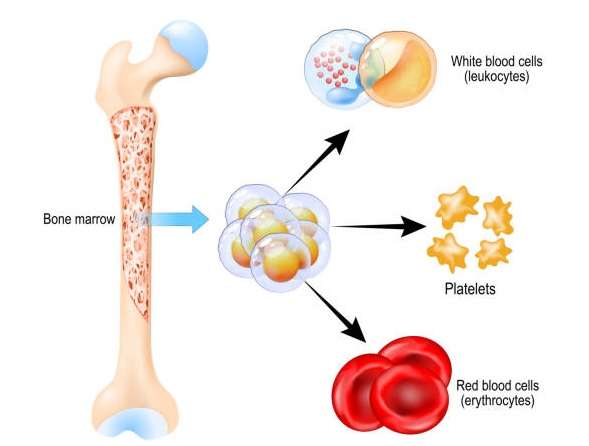
This group of cancers affects blood-forming tissues including bone marrow and lymphatic systems. Early recognition plays a vital role in successful treatment outcomes for those diagnosed with leukemia.
- Patients might experience symptoms like fatigue, frequent infections, or easy bruising as initial indicators of this condition's onset.
- The process usually begins with blood tests followed by bone marrow biopsies for accurate diagnosis confirmation.【
} - Treatment methods commonly employed include chemotherapy aimed at eradicating malignant cells along with possible stem cell transplants if required【
} - Supportive care measures such as pain management & nutritional support are crucial throughout each treatment phase【
} - Regular follow-up appointments help track progress while managing side effects effectively between treatments【
}
Staying aware regarding potential signs allows individuals access early interventions necessary enhancing their chances toward remission successfully long-term!【
}
LUNG CANCER

Lung cancer remains one of the leading causes of cancer-related deaths globally. It often develops without noticeable symptoms until advanced stages, making awareness key for prevention strategies.
- Mainly associated with smoking, symptoms may manifest as chronic cough, chest pain, or unexpected weight loss over time.
- The diagnostic process typically combines imaging tests like CT scans with tissue biopsy procedures for definitive results.
- Treatment generally involves surgery followed by chemotherapy or radiation therapy depending on staging results.
- Palliative care is also an essential component focusing on maintaining quality of life throughout treatment phases.
- Counseling services can assist patients coping with diagnoses while fostering supportive environments among loved ones during recovery journeys.
Awareness campaigns highlight the importance of early detection strategies that can improve prognosis outcomes significantly for lung cancer patients nationwide.
PROSTATE CANCER
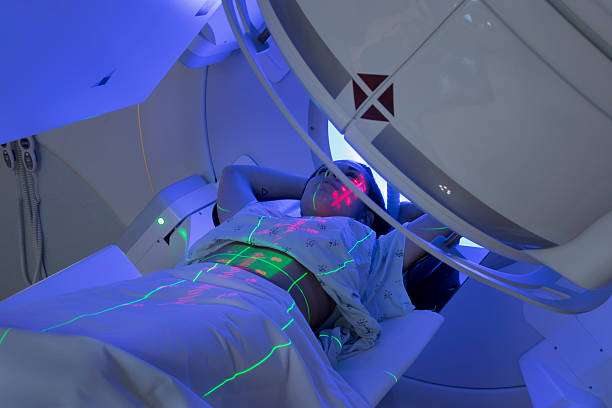
Prostate cancer originates in the prostate gland and predominantly affects older men. Early stages may not present symptoms; hence awareness is important for effective screening.
- Potential symptoms include difficulty urinating, pelvic discomfort, or erectile dysfunction.
- A prostate-specific antigen (PSA) blood test combined with ultrasounds assists in establishing a diagnosis.
- Treatment options range from active surveillance to surgical interventions like prostatectomy based on the tumor's aggressiveness.
- Chemotherapy and hormone therapies may be recommended for advanced stages of the disease.
- Ongoing communication with healthcare providers is essential during treatment to manage any arising concerns efficiently.
A proactive approach towards screening can lead to timely interventions that significantly improve survival rates for prostate cancer patients.
COLORECTAL CANCER
This type of cancer occurs in the colon or rectum and is often associated with age and lifestyle factors. Understanding preventive measures can help reduce risk factors significantly.
- Common symptoms include blood in stool, unexplained weight loss, and persistent abdominal discomfort.
- A combination of imaging studies and colonoscopies are vital for accurate diagnosis.
- Treatment strategies typically involve surgical resection, followed by chemotherapy or radiation based on individual cases.
- A tailored management plan is critical; patients might need ongoing surveillance to prevent recurrence.
- Sustained lifestyle changes post-treatment are encouraged to enhance well-being and prevent future occurrences.
Diligence in monitoring your health can lead to early detection and better outcomes in colorectal cancer management.
BREAST CANCER
Breast cancer is a common condition affecting individuals, where malignant cells form in breast tissue. Awareness of risk factors and early detection can significantly enhance treatment outcomes.
- Symptoms may include lumps, changes in breast shape, or discharge from the nipple.
- The diagnosis often involves imaging tests such as mammograms and biopsies to confirm cancer presence.
- Treatment options encompass surgery, radiation therapy, chemotherapy, and hormonal therapy depending on the cancer stage.
- Management may require a multidisciplinary approach with regular follow-ups to monitor recovery.
- Patients should be prepared for possible side effects which can be managed effectively during treatment.
Staying informed about breast cancer is crucial for timely intervention and improving prognoses.