
Dr Payal Physioth
About Me
Dr Payal Physioth
MBBS
Podiatrist
10 Years Experience
Biography
My Clinic
OPD Hours
| Monday | Morning | 10:00 AM | - | 02:00 PM |
| Evening | 06:00 PM | - | 09:00 PM | |
| Tuesday | Morning | 10:00 AM | - | 02:00 PM |
| Evening | 06:00 PM | - | 09:00 PM | |
| Wednesday | Morning | 10:00 AM | - | 02:00 PM |
| Evening | 06:00 PM | - | 09:00 PM | |
| Thursday | Morning | 10:00 AM | - | 02:00 PM |
| Evening | 06:00 PM | - | 09:00 PM | |
| Friday | Morning | 10:00 AM | - | 02:00 PM |
| Evening | 06:00 PM | - | 09:00 PM | |
| Saturday | Morning | 10:00 AM | - | 02:00 PM |
| Evening | 06:00 PM | - | 09:00 PM | |
| Sunday | Morning | 10:00 AM | - | 02:00 PM |
| Evening | 06:00 PM | - | 09:00 PM |
Treatments
Specialised care and treatments offered
DIABETIC FOOT CARE
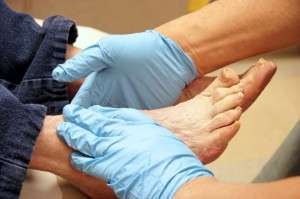
Podiatric care becomes crucial for individuals living with diabetes due to potential complications such as neuropathy and poor circulation that increase risks for foot injuries. Ensuring proper diabetic foot health can greatly reduce risks associated with ulcers and infections that might arise from minor wounds left unattended over time!
- < li align='left'>Main Concerns: Symptoms usually manifest as numbness/tingling sensations coupled frequently exhibiting discoloration around areas impacted! Regular inspections should become habitual practices within preventive care regimens!
Minding feet properly becomes non-negotiable especially amidst diabetic populations prompting enhanced vigilance bestowed onto addressing emerging concerns before escalations ensue unnecessarily following overlooked challenges!
MORTON'S NEUROMA
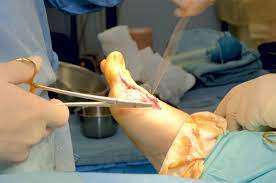
This foot ailment involves thickening of tissue around a nerve between two toes (often between the third and fourth), resulting in sharp pain. Morton's neuroma typically develops from prolonged pressure on forefoot nerves or footwear choices that squeeze toes together excessively.
- Main Signs: Patients frequently report burning sensations or numbness affecting both toes along with occasional tingling feelings throughout activities like walking barefoot on hard surfaces!
The discomfort associated with Morton's neuroma might lead individuals away from favored activities - early intervention plays a vital role substantially improving quality-of-life outcomes!
ACHILLES TENDINITIS
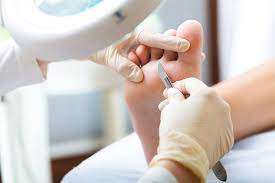
Achilles tendinitis refers to inflammation of the Achilles tendon due to overuse or injury. This condition is common among active individuals who frequently engage in running or jumping sports activities.
- Main symptoms: Pain along the back of the heel or tendon stiffness is typical; these symptoms usually intensify during physical activity.
- Causative mechanisms: Poor biomechanics while exercising or inadequate warm-up routines contribute significantly to developing this issue.
- Differential diagnosis: Physicians will perform clinical evaluations while cross-referencing patient activity history; ultrasound imaging occasionally aids in assessing tendon integrity.
- Treatment methods: Resting from aggravating activities combined with ice therapy is crucial. Custom orthotics and physical therapy focusing on stretching strengthen surrounding muscles for long-term prevention strategies.
A proactive stance towards managing Achilles tendinitis enhances recovery potential while reducing recurrences later on.
BUNIONS (HALLUX VALGUS)
Bunions are bony protrusions at the base of the big toe joint that cause it to angle inward towards other toes. This misalignment often leads to discomfort during walking and shoe fitting issues.
- Symptoms: Look out for swelling around the joint of the big toe, redness, and persistent pain that worsens when wearing tight shoes.
- Causative factors: Genetics play a role; however, inappropriate footwear commonly exacerbates this condition.
- Diagnosis: Visual inspection along with X-rays help determine severity and guide treatment decisions effectively.
- Treatment options: Conservative treatment includes changing footwear styles, using padding on bunions, physical therapy exercises; surgical intervention might be necessary for severe cases where daily life is impacted significantly.
A timely approach to bunion care can prevent further complications while improving mobility and comfort levels.
FLAT FEET (PES PLANUS)
Flat feet occur when the arches of your feet collapse, leading to the entire sole coming into contact with the ground. This condition can lead to discomfort and affects walking patterns over time.
- Causes: Certain factors like genetics, obesity, aging, or injury can result in flat arches.
- Symptoms: Individuals may experience pain in their feet or legs after prolonged standing or physical activity.
- Diagnosis: A podiatrist will examine your foot structure and may conduct functional assessments alongside imaging studies to confirm diagnosis.
- Treatment strategies: Management typically includes wearing supportive shoes, orthotic devices that provide arch support, physical therapy to strengthen foot muscles, and occasionally surgical options for severe cases.
Navigating flat feet effectively can improve overall comfort and function significantly.
PLANTAR FASCIITIS
Plantar fasciitis is a common foot condition characterized by inflammation of the plantar fascia, which is the tissue connecting your heel to your toes. This condition often causes significant pain in the heel area, particularly with the first steps in the morning or after prolonged periods of sitting.
- Symptoms: Common signs include stabbing pain near the heel, which may worsen after long periods of standing or after exercise.
- Diagnosis: A thorough physical examination and patient history are essential, often complemented by imaging tests such as X-rays or MRIs if needed.
- Treatment options: Initial management usually involves rest, ice application, supportive footwear, and stretches. In more severe cases, custom orthotics or corticosteroid injections may be recommended.
- What to expect: Most individuals experience relief with appropriate self-care measures; however, recovery times can vary. Engaging in recommended stretching and strengthening exercises can further enhance healing.
Understanding this condition enables better management and recovery pathways for those affected by heel pain.