
Dr Payal Rawal
About Me
Dr Payal Rawal
Ophthalmologist
Biography
My Clinic
OPD Hours
| Tuesday | Morning | 10:00 AM | - | 02:00 PM |
| Evening | 06:00 PM | - | 09:00 PM | |
| Wednesday | Morning | 10:00 AM | - | 02:00 PM |
| Evening | 06:00 PM | - | 09:00 PM | |
| Thursday | Morning | 10:00 AM | - | 02:00 PM |
| Evening | 06:00 PM | - | 09:00 PM | |
| Friday | Morning | 10:00 AM | - | 02:00 PM |
| Evening | 06:00 PM | - | 09:00 PM | |
| Saturday | Morning | 10:00 AM | - | 02:00 PM |
| Evening | 06:00 PM | - | 09:00 PM | |
| Sunday | Morning | 10:00 AM | - | 02:00 PM |
| Evening | 06:00 PM | - | 09:00 PM | |
| Thursday | Morning | 10:00 AM | - | 02:00 PM |
| Evening | 06:00 PM | - | 09:00 PM |
Treatments
Specialised care and treatments offered
RETINAL DETACHMENT AWARENESS
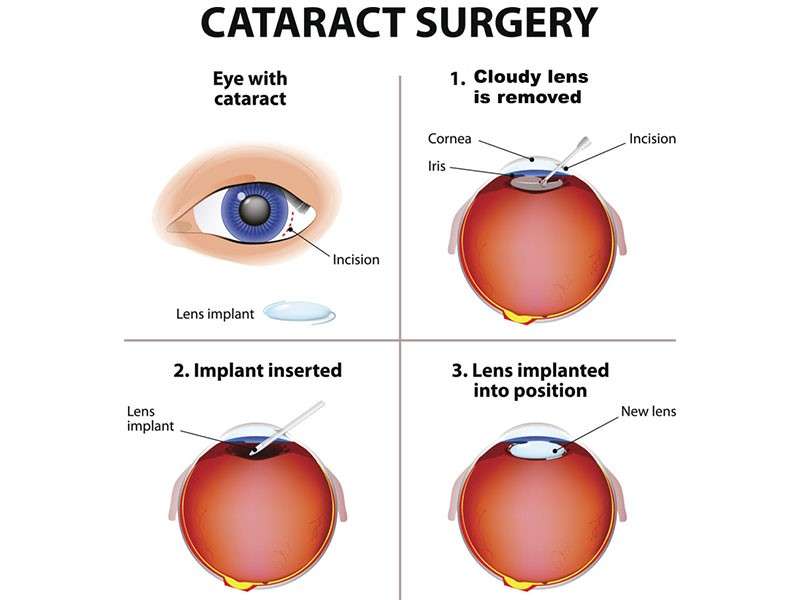
A retinal detachment occurs when the retina peels away from its supportive tissue potentially leading towards severe visual impairment if not addressed promptly.
Recognizing signs early offers insight vital for timely intervention!
- Early Symptoms Indicating Concern :< Patients frequently express noticing flashes of light along with sudden floaters appearing suddenly obstructing peripheral fields although central sights remain unchanged initially marking onset urgency .
- Causative Elements :< Hereditary predispositions play pivotal roles alongside pre-existing conditions enhancing threats posed inherently characterize randomness determining detachment risks therein .
- Diagnostic Tools Employed :< Doctors rely heavily upon detailed visual field testing assessments coupled image processing allowing comprehensive explorations revealing underlying retinal states accurately improving prognostic accuracy meanwhile .
GLAUCOMA MANAGEMENT
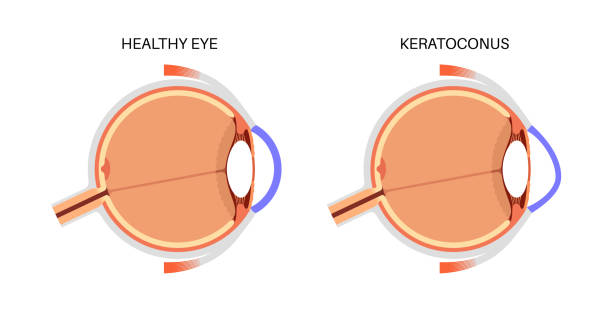
This group of eye conditions leads ultimately toward optic nerve damage associated primarily with increased intraocular pressure (IOP). Understanding its nuances allows early detection critical for preserving sight long-term!
- Key Symptoms: Often termed 'silent thief of sight', glaucoma frequently shows no signs until irreversible damage has occurred—periodic comprehensive check-ups become invaluable!
- Identifying Causes: Elevated IOP can stem from either inadequate drainage function within meshwork structures found in front parts—or secondary triggers stemming from other medical concerns.
- Diagnostic Procedures: An eye specialist may utilize tonometry alongside optic nerve assessment ensuring nuanced understanding behind every case lateralizing treatment protocols accordingly.
- Treatment Guidelines: Medications available targeting reduced aqueous humor production; laser treatments further serve creating new drainage pathways encouraging lower pressures inside ocular sphere.
- Long-term Outlooks: Consistent follow-ups determine effective responses based off initial assessments aiding future prognosis relationships directly linked toward adherence levels maintained throughout appointments!
AGE-RELATED MACULAR DEGENERATION
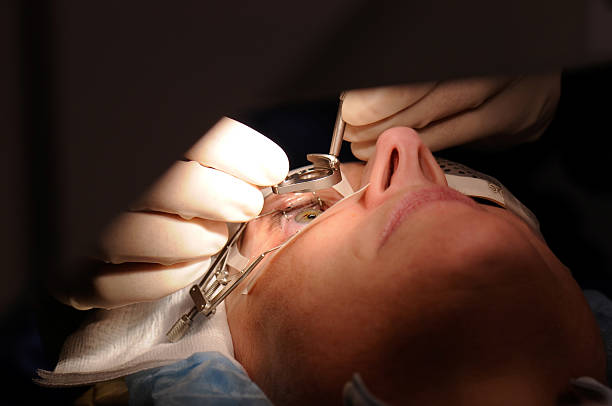
This progressive condition affects central vision primarily among older adults due to damage in the macula. It's crucial for those at risk to understand this condition for early intervention possibilities.
- Main Symptoms: Individuals may notice gradual loss of sharpness in their central vision which could interfere with tasks like reading or recognizing faces.
- Causative Influences: Age is a primary risk factor alongside genetic predisposition and lifestyle choices such as smoking or diet quality impacting overall health.
- Diagnosis: Ineffective at home testing might be followed by specialized examinations such as Amsler grid tests done by an ophthalmologist trained in retinal diseases.
- Treatment & Management Options: For early stages adopting well-rounded nutrition rich in omega-3 fatty acids alongside routine monitoring could be recommended. In more advanced cases therapy might encompass injections or laser treatment depending on specific subtype.
- Expectations Going Forward: The understanding that there’s support systems available for emotional aspects through community resources stands vital amid ongoing observations by healthcare professionals.
A proactive approach focusing on healthy living habits plays core role towards managing macular degeneration's progression over time effectively!
COMPUTER VISION SYNDROME
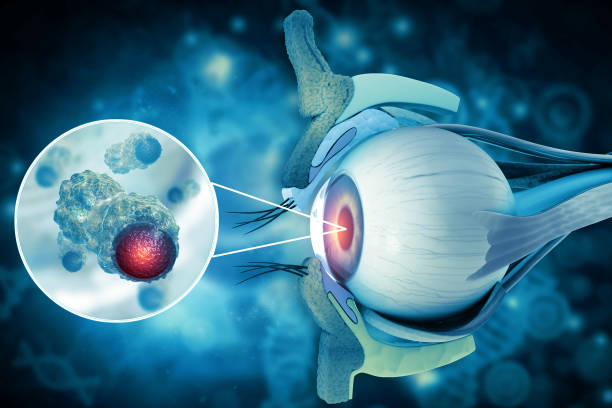
The increasing reliance on digital devices has given rise to computer vision syndrome (CVS), affecting many who spend prolonged hours in front of screens. Symptoms can be uncomfortable but are generally manageable with appropriate strategies.
- Symptoms: People often report headaches, blurred vision, dry eyes, and blurred or double vision after extended screen time.
- Causative Factors: Factors contributing to CVS include poor lighting conditions and improper screen placement which place strain on the eyes.
- Diagnosis Strategies: Diagnosis typically follows a review of visual history along with an examination focused on the work environment where screen use occurs.
- Treatment Options: Recommendations often involve ergonomic adjustments at workstations, taking regular breaks (20-20-20 rule), and utilizing artificial tears when necessary.
Your comfort while using digital devices is achievable through lifestyle adjustments; don’t hesitate to seek guidance on creating a more ergonomic workspace!
ALLERGIC CONJUNCTIVITIS
This condition arises when allergens provoke an inflammatory response in the conjunctiva—the thin layer covering the eye and eyelid. Seasonal changes can exacerbate these allergic reactions significantly.
- Symptoms: Common signs include itchy, red, and watery eyes along with swelling of the eyelids.
- Causes: Allergens such as pollen, dust mites, pet dander, and mold are frequent culprits behind allergic conjunctivitis.
- Diagnosis: A comprehensive examination by an eye specialist will typically involve assessing symptoms and possibly conducting allergy tests if necessary.
- Treatment Approaches: Management may involve antihistamine eye drops, oral antihistamines, or avoiding known allergens to minimize symptoms.
- Your Experience: Many patients see significant improvement during allergy seasons by adhering to preventive measures and following their management plan consistently.
Please consult a professional for appropriate therapies tailored to your specific allergies and lifestyle needs.
DRY EYE SYNDROME
Dry eye syndrome is a common condition where the eyes do not produce sufficient tears to keep them moist. This can lead to discomfort and various visual disturbances. Individuals suffering from dry eyes often experience a range of symptoms that can impact daily activities.
- Symptoms: Patients may notice feelings of dryness, burning, or stinging in the eyes, as well as redness or blurred vision.
- Causes: Causes may include environmental factors, prolonged screen time, certain medications, and underlying health conditions.
- Diagnosis: Eye care professionals often perform tests such as tear break-up time or Schirmer’s test to determine tear production levels.
- Treatment Options: Management strategies can include using artificial tears, punctal plugs, or lifestyle modifications such as increased humidity and regular breaks from screens.
- What to Expect: With proper management, many individuals find relief from symptoms and improved eye comfort on a daily basis.
If you suspect you have dry eyes, seek advice for tailored treatment options that can enhance your quality of life.