
Dr PC Chauhan
About Me
Dr PC Chauhan
MBBS
Podiatrist
10 Years Experience
Biography
My Clinic
OPD Hours
| Monday | Morning | 10:00 AM | - | 02:00 PM |
| Evening | 06:00 PM | - | 09:00 PM | |
| Tuesday | Morning | 10:00 AM | - | 02:00 PM |
| Evening | 06:00 PM | - | 09:00 PM | |
| Wednesday | Morning | 10:00 AM | - | 02:00 PM |
| Evening | 06:00 PM | - | 09:00 PM | |
| Thursday | Morning | 10:00 AM | - | 02:00 PM |
| Evening | 06:00 PM | - | 09:00 PM | |
| Friday | Morning | 10:00 AM | - | 02:00 PM |
| Evening | 06:00 PM | - | 09:00 PM | |
| Saturday | Morning | 10:00 AM | - | 02:00 PM |
| Evening | 06:00 PM | - | 09:00 PM | |
| Sunday | Morning | 10:00 AM | - | 02:00 PM |
| Evening | 06:00 PM | - | 09:00 PM |
Treatments
Specialised care and treatments offered
FOOT ULCER DEBRIDEMENT
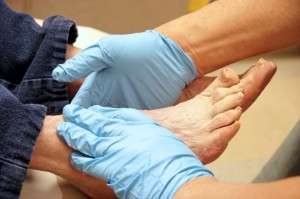
Podiatric ulcers commonly develop in patients with diabetes due to poor circulation and neuropathy. Proper management begins with removal of dead tissue via debridement promoting wound healing effectively.
- Ulcer characteristics: Open sores typically found on pressure points exhibiting redness & discharge if infected
- Assessment criteria: Thorough clinical examination supplemented by infection markers monitoring & imaging if deep involvement suspected
- Non-surgical care: Offloading pressure areas alongside dressings before advanced interventions considered
- Debridement procedure: Surgical removal of necrotic tissue under sterile conditions prepares wound bed for healing agents application
- Aftercare guidance: Frequent follow-up ensuring infection control plus patient education on foot hygiene & protective footwear essential
This foundational step is vital for preventing complications like cellulitis or amputations preserving limb health over time .
ACHILLES TENDON REPAIR
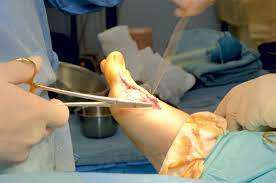
The Achilles tendon connects calf muscles to the heel bone and is crucial for walking. Tears or ruptures can cause sudden pain and inability to bear weight properly requiring prompt treatment for optimal healing.
- Symptoms & causes: Abrupt sharp heel pain following trauma or excessive strain with swelling & weakness noted
- Diagnostic methods: Physical assessment complemented by ultrasound or MRI visualizing tendon integrity
- Treatment choices: Options depend on tear extent ranging from immobilization & rehab exercises up to surgical repair
- Surgery specifics: Reattaching torn ends through open or minimally invasive techniques ensures tendon strength restoration
- Healing timeframe: Immobilization phase followed by progressive weight-bearing rehabilitation lasting several months
Timely intervention restores functionality minimizing risk of reinjury enabling patients’ timely return to activities requiring calf strength .
TARSAL TUNNEL RELEASE SURGERY
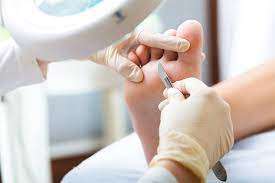
Tarsal tunnel syndrome results from compression of the tibial nerve near the ankle causing pain, numbness, or tingling sensations. When non-invasive therapies do not suffice, surgical decompression can be effective.
- Main symptoms: Burning or shooting pain along the sole often worsening at night; possible weakness in foot muscles.
- Eliciting diagnosis: Electrophysiological studies like nerve conduction tests confirm nerve entrapment location;
CORRECTION OF HAMMERTOE DEFORMITY
A hammertoe deformity occurs when one or more toe joints become abnormally bent downward, resulting in pain and difficulty with footwear. Severe cases are treated surgically for lasting correction.
- Causes and presentation: Toe bending due to muscle imbalance or arthritis leading to corns and pressure sores.
- Diagnostic steps: Clinical evaluation supported by X-rays determines joint involvement severity.
- Treatment spectrum: Non-surgical options include splints or pads; surgery realigns the affected joints for improved function.
- Surgical techniques: Procedures may involve tendon release, joint fusion, or excision depending on deformity extent.
- Recovery process: Immobilization followed by gradual toe motion exercises; most regain improved gait post-healing period of several weeks.
This treatment is tailored to restore a natural toe position alleviating discomfort while enhancing mobility ease inside shoes.
PLANTAR FASCIITIS SURGERY
Plantar fasciitis produces heel pain due to inflammation of the thick tissue band supporting the foot arch. While nonsurgical methods often succeed, persistent cases sometimes require surgical release.
- Causes and symptoms: Heel stabbing pain especially on first steps in the morning; linked to overuse or biomechanical strain.
- Confirming diagnosis: Physical exam combined with imaging such as ultrasound or MRI to evaluate fascia condition.
- Nonsurgical management: Rest, custom orthotics, anti-inflammatory medications, and stretching exercises are first-line treatments.
- Surgical approach: Partial release of plantar fascia via minimally invasive technique reduces tension on the tissue.
- Postoperative care: Patients use supportive footwear during healing; physical therapy facilitates return to normal activities within months.
The goal is to reduce chronic inflammation and relieve discomfort obstructing daily walking or standing tasks.
BUNIONECTOMY
A bunion is a painful bony bump that forms at the base of the big toe, often leading to discomfort and difficulty wearing shoes. When conservative measures fail to provide relief, surgical intervention like bunionectomy may be recommended.
- Symptoms and causes: Enlarged bump on the side of the foot, swelling, redness, and restricted toe movement; caused by genetic predisposition or improper footwear.
- Diagnosis: Clinical examination supported by X-rays to assess bone deformity and joint alignment.
- Treatment options: Initial treatments include padding and orthotics; bunionectomy involves removing swollen tissue and realigning bone structure.
- Surgical procedure: Typically performed under local or regional anesthesia with minimal hospital stay.
- Recovery expectations: Swelling subsides over weeks; gradual return to regular footwear advised; physical therapy may aid mobility restoration.
This operation aims to alleviate pain, correct toe alignment, and restore foot function for long-term comfort.