
Dr Piyush Dhaked
About Me
Dr Piyush Dhaked
MS
Orthopaedic Surgeons
Biography
My Clinic
OPD Hours
| Monday | Morning | 10:00 AM | - | 02:00 PM |
| Evening | 06:00 PM | - | 09:00 PM | |
| Tuesday | Morning | 10:00 AM | - | 02:00 PM |
| Evening | 06:00 PM | - | 09:00 PM | |
| Wednesday | Morning | 10:00 AM | - | 02:00 PM |
| Evening | 06:00 PM | - | 09:00 PM | |
| Thursday | Morning | 10:00 AM | - | 02:00 PM |
| Evening | 06:00 PM | - | 09:00 PM | |
| Friday | Morning | 10:00 AM | - | 02:00 PM |
| Evening | 06:00 PM | - | 09:00 PM | |
| Saturday | Morning | 10:00 AM | - | 02:00 PM |
| Evening | 06:00 PM | - | 09:00 PM | |
| Sunday | Morning | 10:00 AM | - | 02:00 PM |
| Evening | 06:00 PM | - | 09:00 PM |
Treatments
Specialised care and treatments offered
HIP REPLACEMENT SURGERY
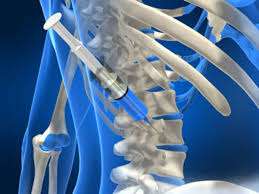
This surgical procedure replaces a damaged hip joint with prosthetic components designed for improved mobility and reduced chronic pain. Hip replacement surgery becomes necessary when conservative treatments fail to relieve symptoms caused by arthritis or severe fractures affecting hip structure severely limiting daily functions effectively impacting overall quality life immensely!
- Your Condition Should Consideration?: Significant arthritis-related discomfort causing difficulty walking dressing involvement normal routines lack coordination shifting weight smoothly highlighted appointed preoperative assessments assist outline yield best possible results post-surgery rehabilitation required proactively managed afterwards facilitating healing process efficiently faster towards longer-term goals continuous improvements just ahead!
PLANTAR FASCIITIS

This common foot ailment manifests as heel pain caused by inflammation of the plantar fascia ligament—connecting your heel bone to your toes. It is particularly prevalent among runners and people who are overweight due to excessive foot stress.
- Symptoms:The most notable symptom is sharp heel pain felt during initial steps after waking up or prolonged sitting.
- Causes: Flat feet , high arches , inappropriate footwear choices contribute significantly toward developing plantar fasciitis alongside increased activity levels .
- Diagnosis: Clinicians utilize patient history , physical assessments , sometimes radiographic imaging checks identify underlying issues .
- Treatment Options: Resting foot elevating ice compresses reduce inflammation ; custom orthotics may ease pressure help those who engage regularly fitness-related activities .
- What To Expect: Most patients respond positively within weeks months adhering proper protocols addressing root causes help prevents recurrences .
If persistent heel pain limits mobility consider reaching out skilled orthopedic professional ensure optimal recovery pathway tailored specifically around individual needs today!
CARPAL TUNNEL SYNDROME

This condition arises when pressure on the median nerve in the wrist leads to numbness, tingling, and weakness in the hand. Carpal tunnel syndrome often develops due to repetitive wrist movements or certain health conditions like diabetes.
- Symptoms: Patients usually experience nighttime hand numbness along with difficulty gripping objects effectively due to weakness in hand muscles.
- Causes: Commonly associated factors include repetitive motion jobs (e.g., data entry) and anatomical considerations such as a smaller carpal tunnel anatomy among individuals.
- Diagnosis:
- Treatment Options: Conservative treatments often start with wrist splints during sleep; if symptoms persist beyond conservative measures surgery might be required.
- What to Expect: Early intervention leads mostly lead successful outcomes while neglecting symptoms could result in permanent nerve damage.
If tingling in your fingers disrupts your daily routine consult an experienced orthopaedic surgeon promptly.
ROTATOR CUFF INJURY

A rotator cuff injury involves damage to one or more of the four muscles/tendons that stabilize the shoulder. Such injuries can occur acutely due to falls or gradually through wear-and-tear over time.
- Symptoms: Patients typically report shoulder pain, especially when raising arms overhead or engaging in overhead activities.
- Causes: The condition may stem from acute trauma or repetitive overhead motions prevalent in certain sports and occupations.
- Diagnosis: Healthcare providers usually perform physical examinations alongside MRI scans to assess rotator cuff integrity accurately.
- Treatment Options: Treatment might include rest and rehabilitation exercises; corticosteroid injections can alleviate inflammation. Surgery could be necessary for severe tears if conservative measures fail.
- What to Expect: Recovery timelines vary based on injury severity but dedicated rehabilitation often leads to positive outcomes for restoring function.
If shoulder discomfort hinders daily activities, it’s important to consult with an orthopaedic professional for an accurate diagnosis and treatment strategy tailored for you.
TENDINITIS

Tendinitis is an inflammation or irritation of a tendon, which connects muscle to bone. This condition often arises from repetitive action or overuse, affecting various body parts such as the shoulder, elbow, or knee.
- Symptoms: Individuals commonly experience tenderness near the affected area along with joint pain during movement.
- Causes: Tendinitis frequently results from overuse during sports activities or occupational tasks that require repeated motions.
- Diagnosis: A thorough physical examination combined with imaging tests helps confirm tendinitis and rule out other potential injuries.
- Treatment Options: Initial management includes rest and ice application. Physical therapy and anti-inflammatory medications are also beneficial; surgery may be considered for chronic cases.
- What to Expect: With appropriate care, most patients recover fully but may need guidance on preventing re-injury during activities.
If you're struggling with persistent pain in your joints due to overuse or strain, seeking advice from an orthopaedic specialist is vital for recovery.
OSTEOARTHRITIS

Osteoarthritis is a degenerative joint disease that affects millions worldwide. It occurs when the protective cartilage on the ends of bones deteriorates over time, leading to pain and stiffness in the affected joints.
- Symptoms: Common signs include joint pain, swelling, and decreased flexibility.
- Causes: Factors contributing to osteoarthritis may include age, obesity, previous joint injuries, and genetic predisposition.
- Diagnosis: Physicians typically conduct physical exams and imaging tests such as X-rays or MRIs to assess joint health.
- Treatment Options: Management varies from lifestyle modifications and physical therapy to medications like NSAIDs. In severe cases, surgical interventions might be necessary.
- What to Expect: Although osteoarthritis can’t be cured, effective management strategies can significantly enhance quality of life.
If you are experiencing joint discomfort or restricted mobility, consulting an orthopedic specialist is crucial for a tailored treatment plan.