
Dr Piyush Goyal
About Me
Dr Piyush Goyal
Anesthesiologist
Biography
My Clinic
OPD Hours
| Tuesday | Morning | 10:00 AM | - | 02:00 PM |
| Evening | 06:00 PM | - | 09:00 PM | |
| Wednesday | Morning | 10:00 AM | - | 02:00 PM |
| Evening | 06:00 PM | - | 09:00 PM | |
| Thursday | Morning | 10:00 AM | - | 02:00 PM |
| Evening | 06:00 PM | - | 09:00 PM | |
| Friday | Morning | 10:00 AM | - | 02:00 PM |
| Evening | 06:00 PM | - | 09:00 PM | |
| Saturday | Morning | 10:00 AM | - | 02:00 PM |
| Evening | 06:00 PM | - | 09:00 PM | |
| Sunday | Morning | 10:00 AM | - | 02:00 PM |
| Evening | 06:00 PM | - | 09:00 PM | |
| Thursday | Morning | 10:00 AM | - | 02:00 PM |
| Evening | 06:00 PM | - | 09:00 PM |
Treatments
Specialised care and treatments offered
ANESTHESIA & GERIATRIC PATIENTS
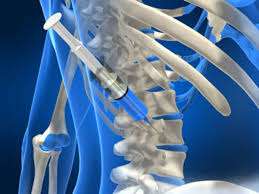
Caring for geriatric patients who require anesthesia demands an understanding of age-associated changes in physiology. The goal is always safe management while minimizing risks associated with surgery in older populations.
- The symptoms often present include age-related ailments such as cardiovascular issues which necessitate special attention when planning surgical intervention requiring anesthesia .
- Diagnosis includes thorough evaluations including functional assessments alongside pertinent medical histories ensuring all factors contributing towards individualized care are assessed ahead of time .
- Treatment options may utilize lighter anesthetic approaches combined with enhanced postoperative support mechanisms aiming towards improved recovery trajectories post-surgery .
- Expectations revolve around heightened surveillance pre-and post-anesthesia as well as engagement concerning preferences providing reassurance against traditional fears associated across age spectrums .
This comprehensive caregiving model assures older adults receive careful consideration optimizing safety while enhancing experiences surrounding interventions .
PEDIATRIC ANESTHESIA

Pediatric anesthesia is specialized care that caters to children undergoing surgical procedures. This ensures their safety and comfort during operations tailored specifically for younger patients' physiological differences.
- Common concerns include how children react to surgery or anxiety surrounding hospital visits which necessitate pediatric-specific techniques
- Proper diagnosis incorporates understanding developmental stages, allergies, history reactions leading up towards selecting appropriate anesthetic protocols tailored towards children’s unique needs
- Treatment generally includes inhalation anesthetics plus intravenous agents providing sleep-like states ensuring minimal distress prior surgical interventions are performed
- Families should prepare by engaging comprehensively with medical staff explaining what their child will experience easing apprehensive feelings
This meticulous approach guarantees that even young patients receive top-tier anesthetic care promoting comfort throughout their medical journey .
ANESTHESIA FOR OBSTETRIC PROCEDURES

Anesthesia plays a crucial role during obstetric procedures such as cesarean sections or labor. Its application ensures safety and comfort for both mother and child during childbirth-related surgeries or interventions.
- The most common symptoms requiring anesthesia are intense labor pain or surgical necessity during delivery.
- An assessment by an anesthesiologist includes reviewing the patient’s health history along with any potential complications.
- Treatment commonly involves epidural blocks or spinal anesthesia designed specifically for laboring women aiming for minimized discomfort during delivery; general anesthesia is reserved for emergencies.
- Patients can expect close monitoring throughout the procedure ensuring both maternal comfort and fetal safety are prioritized.
This method enhances the birthing experience by focusing on pain relief while ensuring optimal outcomes.
CHRONIC PAIN MANAGEMENT

The management of chronic pain often requires a comprehensive approach tailored to individual patient needs. This treatment plan may involve various methods to enhance quality of life while reducing pain levels.
- Pain symptoms can stem from conditions like arthritis, fibromyalgia, or post-surgical complications.
- A thorough diagnostic evaluation, including medical history and examinations, helps pinpoint causes and develop targeted strategies.
- Treatment options might encompass medications, physical therapy, nerve blocks, or complementary therapies focused on improving function and reducing discomfort.
- Patients should anticipate regular follow-ups to adjust their management plans effectively as needed over time.
This multidisciplinary approach aims not only to relieve pain but also to enhance overall well-being and daily functioning.
SEDATION FOR DENTAL PROCEDURES

Sedation is commonly used during dental treatments to help patients remain calm and comfortable. It effectively alleviates anxiety and discomfort associated with dental procedures.
- A typical symptom addressed is dental phobia, which can deter individuals from receiving necessary care.
- The diagnosis of anxiety levels helps tailor sedation protocols to individual needs.
- Treatment may involve options such as nitrous oxide, oral sedatives, or IV sedation depending on the complexity of the procedure.
- Patients can expect a relaxed experience with diminished memory of the procedure once it’s complete.
This approach fosters a positive atmosphere for those requiring dental attention without significant distress.
REGIONAL ANESTHESIA

Regional anesthesia is a technique that blocks sensation in a specific area of the body during surgical procedures. This approach provides effective pain relief while minimizing systemic drug exposure.
- Symptoms managed include pain and discomfort associated with surgery or chronic conditions.
- Diagnosis involves assessing the need for anesthesia based on the procedure and patient health.
- Treatment options can include techniques like nerve blocks or epidural anesthesia that target specific areas, leading to better recovery times.
- Patients can expect lower levels of sedative effects compared to general anesthesia, allowing for quicker recovery and less postoperative confusion.
This method is particularly beneficial in outpatient settings, promoting faster discharge after surgery.