
Dr PK MATHUR M
About Me
Dr PK MATHUR M
Ophthalmologist
Biography
My Clinic
OPD Hours
| Monday | Morning | 10:00 AM | - | 02:00 PM |
| Evening | 06:00 PM | - | 09:00 PM | |
| Tuesday | Morning | 10:00 AM | - | 02:00 PM |
| Evening | 06:00 PM | - | 09:00 PM | |
| Wednesday | Morning | 10:00 AM | - | 02:00 PM |
| Evening | 06:00 PM | - | 09:00 PM | |
| Thursday | Morning | 10:00 AM | - | 02:00 PM |
| Evening | 06:00 PM | - | 09:00 PM | |
| Friday | Morning | 10:00 AM | - | 02:00 PM |
| Evening | 06:00 PM | - | 09:00 PM | |
| Saturday | Morning | 10:00 AM | - | 02:00 PM |
| Evening | 06:00 PM | - | 09:00 PM | |
| Sunday | Morning | 10:00 AM | - | 02:00 PM |
| Evening | 06:00 PM | - | 09:00 PM |
Treatments
Specialised care and treatments offered
BLEPHARITIS
Blepharitis refers to inflammation at the eyelid margins leading potentially uncomfortable symptoms affecting daily activities. Effective treatment focuses on relieving symptoms while addressing underlying causes such as bacteria growth or oily skin disruption affecting eyelid glands .
- Common signs include redness along eyelids , crusted eyelid margins upon waking up , itchy sensations , swollen lids .
- An ophthalmologist will typically conduct physical examination while asking about medical history regarding potential related risk factors influencing this condition’s development .
- Management generally encompasses warm compresses applied regularly combined alongside meticulous cleansing routines designed specifically targeting eyelid hygiene practices recommended by healthcare professionals .
- Awareness about triggers tends toward successful outcomes being achieved; thus adherence vigilance matters throughout course treatment plans provided here today .
Over time observing proper techniques leads positively toward lasting relief experienced moving forward living comfortably without irritation consequences faced previously encountered too often before seeking assistance!
RETINAL DETACHMENT
A serious condition where the retina pulls away from its normal position could lead to permanent blindness if not addressed quickly. Recognizing symptoms early is critical for effective management
- Symptoms typically encompass sudden flashes of light, floaters, or a shadow over part of your visual field indicating retinal distress.
- Diagnosis includes detailed examination using slit-lamp evaluations as well as imaging techniques like ultrasound if indicated.
- Treatment often requires surgical intervention such as pneumatic retinopexy or scleral buckling aimed at reattaching the retina properly.
- Following surgery entails careful monitoring for any further issues while ensuring adequate healing takes place during recovery period.
Timely surgical treatment greatly enhances chances of restoring lost vision due directly back towards safety precautions taken after these events occur .
AGE-RELATED MACULAR DEGENERATION (AMD)
This condition affects older adults and results in deterioration of the macula, leading to loss of central vision. Understanding AMD's early signs can be pivotal for timely intervention.
- The most common symptoms include blurred or distorted central vision and challenges recognizing faces or reading fine print.
- A comprehensive eye exam may reveal changes in retinal appearance indicative of AMD; specific imaging tests can assist in diagnosis as well.
- Treatment may encompass lifestyle changes such as dietary adjustments along with medical therapies that focus on slowing disease progression or improving visual function through injections.
- This condition requires continued assessment by an ophthalmologist as part of ongoing care strategies aimed at managing symptoms effectively over time.
An early diagnosis enables patients to access appropriate treatments that may help preserve their sight longer into their lives.
DIABETIC RETINOPATHY
This condition occurs when high blood sugar levels cause damage to the blood vessels in the retina, leading to vision impairment. It commonly affects individuals with diabetes and underscores the importance of regular eye examinations.
- Symptoms might include blurred vision, fluctuations in eyesight, or seeing dark spots or floaters.
- Diagnosis usually requires a dilated eye exam where an ophthalmologist inspects the retina using specialized tools for any changes or abnormalities.
- Treatment options vary from laser therapy aimed at sealing leaking blood vessels to injections aimed at reducing swelling in the retina.
- Patients should maintain good diabetes control as part of their management plan while adhering closely to follow-up appointments for monitoring progress.
Taking proactive steps is critical for managing diabetic retinopathy effectively and protecting your eyesight.
GLAUCOMA
Glaucoma is a progressive eye disease that leads to damage of the optic nerve, often associated with elevated intraocular pressure. If left untreated, it can result in irreversible vision loss.
- The early stages frequently present no symptoms; however, patients may eventually experience peripheral vision loss or tunnel vision as the disease advances.
- Diagnosis involves measuring intraocular pressure, assessing optic nerve health, and conducting visual field tests.
- Management strategies include prescription eye drops to lower pressure or surgical interventions if necessary. Regular monitoring is crucial for effective control.
- Patients are encouraged to adhere strictly to prescribed treatments to preserve their sight over time.
Early detection plays a vital role in managing glaucoma effectively and preventing permanent damage.
CATARACT
A cataract is a common condition characterized by the clouding of the eye's lens, leading to blurred vision and difficulty seeing at night. This gradual degeneration can significantly affect daily life and often necessitates medical intervention.
- Symptoms may include cloudy or blurry vision, increased difficulty with vision at night, and sensitivity to light.
- This condition is typically diagnosed through a comprehensive eye examination, which includes vision tests and an examination of the lens using specialized equipment.
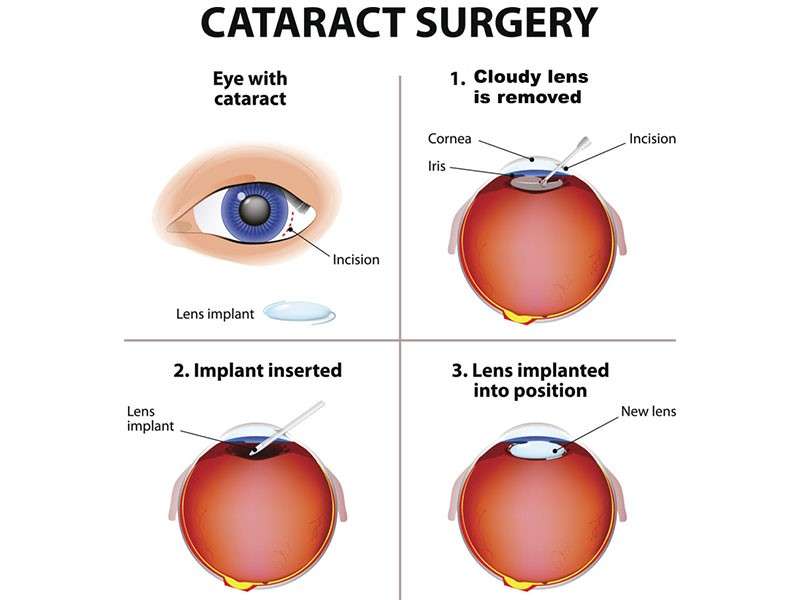
- Treatment options primarily involve surgery to remove the cloudy lens and replace it with an artificial intraocular lens (IOL).
- Post-operative care is essential for recovery, and patients can expect a gradual improvement in their vision within days to weeks following the procedure.
Prompt diagnosis and treatment of cataracts can lead to significant improvements in quality of life.