
Dr Pk Shukla
About Me
Dr Pk Shukla
MBBS
General Physician
10 Years Experience
Biography
My Clinic
OPD Hours
| Monday | Morning | 10:00 AM | - | 02:00 PM |
| Evening | 06:00 PM | - | 09:00 PM | |
| Tuesday | Morning | 10:00 AM | - | 02:00 PM |
| Evening | 06:00 PM | - | 09:00 PM | |
| Wednesday | Morning | 10:00 AM | - | 02:00 PM |
| Evening | 06:00 PM | - | 09:00 PM | |
| Thursday | Morning | 10:00 AM | - | 02:00 PM |
| Evening | 06:00 PM | - | 09:00 PM | |
| Friday | Morning | 10:00 AM | - | 02:00 PM |
| Evening | 06:00 PM | - | 09:00 PM | |
| Saturday | Morning | 10:00 AM | - | 02:00 PM |
| Evening | 06:00 PM | - | 09:00 PM | |
| Sunday | Morning | 10:00 AM | - | 02:00 PM |
| Evening | 06:00 PM | - | 09:00 PM |
Treatments
Specialised care and treatments offered
THYROID FUNCTION ASSESSMENT
The thyroid gland plays a critical role in regulating metabolism through hormone production. Assessing its function helps diagnose disorders like hypothyroidism or hyperthyroidism early on for better management outcomes.
- Signs & Symptoms: Fatigue , unexplained weight changes , temperature sensitivity , hair thinning may suggest thyroid imbalance .
- Diagnostic Tests: Blood tests measuring TSH (thyroid stimulating hormone) along with T3 and T4 hormones offer insight into gland function status .
- Treatment Approaches: Depending upon diagnosis , hormone replacement therapy or medications reducing excess hormone production are administered accordingly .
- What Patients Should Know : Regular follow-up testing ensures appropriate dosage adjustments maintaining normal metabolic activity without side effects .
Tackling thyroid disorders promptly improves quality of life by preventing complications involving cardiac function , mental health , and energy levels effectively .
ROUTINE HEALTH CHECKUPS

Sensible periodic health evaluations facilitate early detection of potential medical conditions even before symptoms develop. This practice supports long-term wellness maintenance across all ages.
- Purpose & Importance: Identifies risks such as hypertension, diabetes, anemia or vitamin deficiencies through comprehensive examination despite feeling well overall .
- Components: General physical assessment , vital signs measurement , blood work including CBC , blood sugar , lipid profile , urine analysis , ECG if indicated .
- Frequency: Typically recommended annually ; more frequent visits may be advised based on age , existing conditions or family history .
- Expected Benefits: Enables timely interventions preventing disease progression ; encourages lifestyle improvements with expert support .
This preventive strategy empowers individuals towards informed decisions about their health status emphasizing continuity of care beyond acute illness management .
CHOLESTEROL MONITORING AND CONTROL
Maintaining healthy cholesterol levels is an important factor in preventing cardiovascular diseases. Periodic lipid profile assessments help guide appropriate interventions when needed.
- Causative Factors & Symptoms: Elevated cholesterol often has no symptoms but may be influenced by diet high in saturated fats, lack of exercise, genetics, or obesity.
- Testing Procedures: Blood tests measuring LDL (bad cholesterol), HDL (good cholesterol), total cholesterol, and triglycerides provide a complete lipid profile assessment.
- Treatment & Lifestyle Changes: Dietary adjustments reducing saturated fat intake combined with physical activity form first-line approaches; medications like statins are prescribed if necessary for control.
- User Guidance: Ongoing monitoring allows healthcare providers to tailor treatment plans aimed at lowering cardiovascular risks effectively over time.
A proactive approach toward cholesterol regulation significantly contributes to heart health preservation through education and adherence strategies customized per individual needs.
SEASONAL INFLUENZA VACCINATION
The flu vaccine is an effective preventive measure against seasonal influenza infections which can cause severe respiratory illness. Vaccination reduces the incidence and severity of flu outbreaks annually.
- Disease Overview: Influenza spreads easily through droplets; symptoms include fever, cough, body aches, and fatigue.
- Dosing & Administration: Annual vaccination is recommended before the peak flu season using inactivated or live attenuated vaccines depending on patient suitability.
- Efficacy & Safety: The vaccine lowers risk of complications especially in vulnerable groups like elderly or those with chronic diseases; side effects are generally mild.
- User Expectations: Immunization helps build immunity within two weeks post-vaccination; yearly updates address virus strain variations enhancing protection effectiveness.
An annual flu shot remains one of the simplest yet vital preventive healthcare actions available to maintain respiratory well-being throughout the winter months.
DIABETES SCREENING AND PREVENTION

Diabetes is a chronic condition characterized by elevated blood sugar levels due to insulin issues. Early detection is key to preventing severe complications.
- Symptoms & Causes: Increased thirst, frequent urination, fatigue; risk factors include obesity, sedentary lifestyle, and family history.
- Diagnostic Methods: Blood glucose tests such as fasting plasma glucose or HbA1c levels are used for screening and diagnosis.
- Management Strategies: Focus on balanced diet, regular exercise, weight management, and medication when needed.
- Expectations: Timely lifestyle changes can delay or prevent diabetes onset; ongoing monitoring aids in controlling progression if diagnosed early.
Lifestyle adjustments play an essential role in mitigating diabetes risk while improving overall wellness through prevention efforts.
HYPERTENSION MANAGEMENT
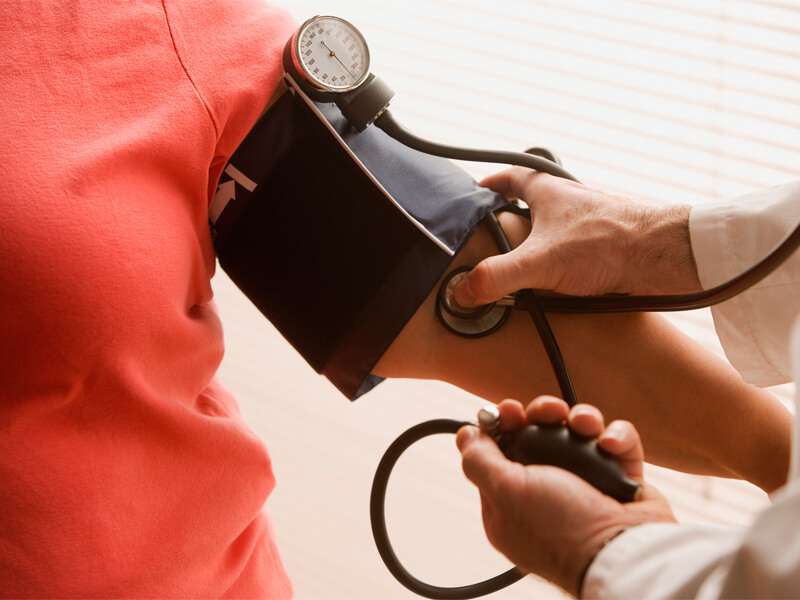
High blood pressure is a common health condition that can lead to serious complications if left untreated. Monitoring and managing blood pressure levels is crucial for maintaining heart and vascular health.
- Symptoms & Causes: Often called the "silent killer," it may show no symptoms; risk factors include genetics, obesity, high salt intake, and stress.
- Diagnosis: Regular blood pressure measurements using a sphygmomanometer over multiple visits to confirm elevated readings.
- Treatment Options: Lifestyle changes such as diet modification, increased physical activity, cessation of smoking, and medication like ACE inhibitors or beta-blockers.
- What to Expect: Consistent monitoring and adherence to treatment can control blood pressure and reduce the risk of stroke or heart attack.
Effective hypertension management relies on patient cooperation and routine check-ups to adjust therapy as needed for optimal outcomes.