
Dr Pooja Bandivadekar
About Me
Dr Pooja Bandivadekar
Ophthalmologist
Biography
My Clinic
OPD Hours
| Tuesday | Morning | 10:00 AM | - | 02:00 PM |
| Evening | 06:00 PM | - | 09:00 PM | |
| Wednesday | Morning | 10:00 AM | - | 02:00 PM |
| Evening | 06:00 PM | - | 09:00 PM | |
| Thursday | Morning | 10:00 AM | - | 02:00 PM |
| Evening | 06:00 PM | - | 09:00 PM | |
| Friday | Morning | 10:00 AM | - | 02:00 PM |
| Evening | 06:00 PM | - | 09:00 PM | |
| Saturday | Morning | 10:00 AM | - | 02:00 PM |
| Evening | 06:00 PM | - | 09:00 PM | |
| Sunday | Morning | 10:00 AM | - | 02:00 PM |
| Evening | 06:00 PM | - | 09:00 PM | |
| Thursday | Morning | 10:00 AM | - | 02:00 PM |
| Evening | 06:00 PM | - | 09:00 PM |
Treatments
Specialised care and treatments offered
VISION CORRECTION ASSESSMENT
A comprehensive assessment for vision correction identifies refractive errors that hinder clear sight. This evaluation determines suitable corrective measures tailored to individual needs such as glasses or contact lenses or surgical options like LASIK.
- Symptoms : Difficulties seeing clearly at different distances signify possible refractive errors needing correction.
- Diagnosis methods : Tests such as visual acuity tests and refraction assessments provide insights into corrective requirements.
- Treatment options : Glasses or contact lenses are common solutions; however, surgical interventions like LASIK offer long-term alternatives for appropriate candidates.
Regular evaluations keep your vision optimal while ensuring effective corrective choices based on current needs.
OCULAR SURFACE DISEASE EVALUATION
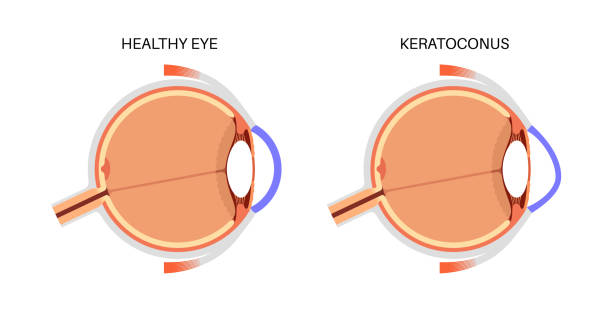
The ocular surface includes the cornea and conjunctiva; diseases affecting this area can lead to discomfort and visual impairment. Evaluation helps determine appropriate treatment strategies to alleviate symptoms effectively.
- Symptoms: Symptoms range from dryness, redness, burning sensations to excessive tearing in some patients.
- Diagnosis : Comprehensive tests like tear film break-up time (TBUT) and corneal staining assist in diagnosing these conditions.
- Treatment options : Treatments may include lubricating eye drops, punctal plugs, medications targeting inflammation or surgeries for severe cases.
Early assessment ensures effective management of ocular surface diseases while improving patient comfort.
RETINAL DETACHMENT REPAIR
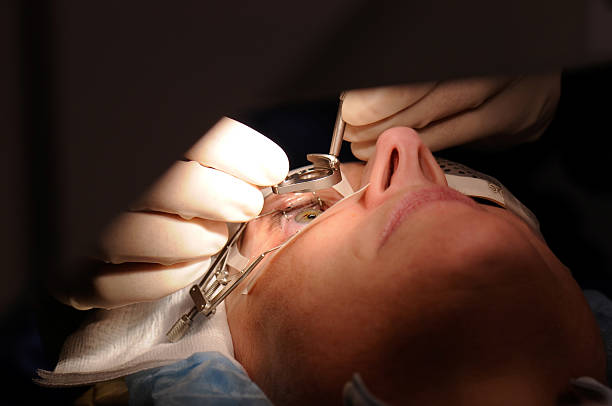
A retinal detachment occurs when the retina peels away from its underlying supportive tissue. This medical emergency requires prompt diagnosis and intervention to prevent permanent vision loss.
- Symptoms: Key indicators include sudden flashes of light, floaters, or a shadow over your field of vision.
- Diagnosis methods: A thorough examination using dilation allows for detailed visualization of retinal changes or detachment signs.
- Treatment options: Options may involve laser surgery or pneumatic retinopexy depending on the extent of detachment and patient characteristics.
Timely repair often results in favorable outcomes for restoring vision post-detachment.
DIABETIC RETINOPATHY SCREENING
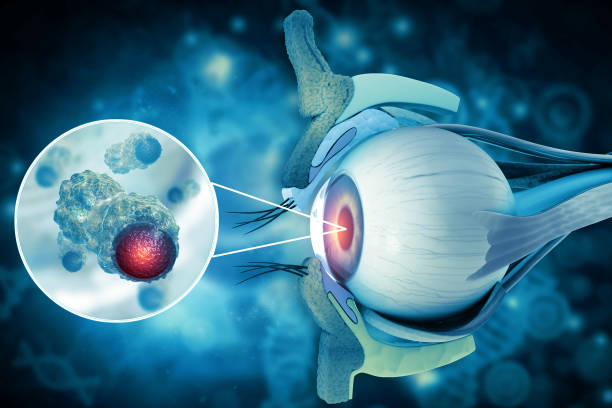
Diabetic retinopathy is a complication of diabetes that affects the blood vessels in the retina. Regular screening can help detect this condition early when it is most treatable.
- Symptoms: Early stages might not present noticeable symptoms; advanced cases can lead to blurred vision or even blindness.
- Diagnosis: A comprehensive dilated eye exam is used to identify changes in retinal blood vessels due to diabetes.
- Treatment options: Treatments may include laser therapy, injections into the eye, or vitrectomy surgery in severe cases.
- Preventive measures: Keeping blood sugar levels under control can slow the progression of diabetic retinopathy significantly.
Regular screenings play a vital role in maintaining eye health for diabetic patients.
GLAUCOMA MANAGEMENT
Glaucoma is a group of eye conditions that damage the optic nerve, often associated with high intraocular pressure. Early detection and management are crucial to prevent vision loss.
- Symptoms: Many individuals experience no symptoms until advanced stages; some may notice peripheral vision loss.
- Diagnosis: Regular eye exams measuring eye pressure and assessing the optic nerve's health are essential in identifying glaucoma.
- Treatment: Treatment options include prescription eye drops, oral medications, laser therapy, or surgery depending on the severity of the condition.
- Monitoring: Ongoing check-ups help track disease progression and adjust treatment plans as necessary.
Proper management enables many patients to lead normal lives despite glaucoma.
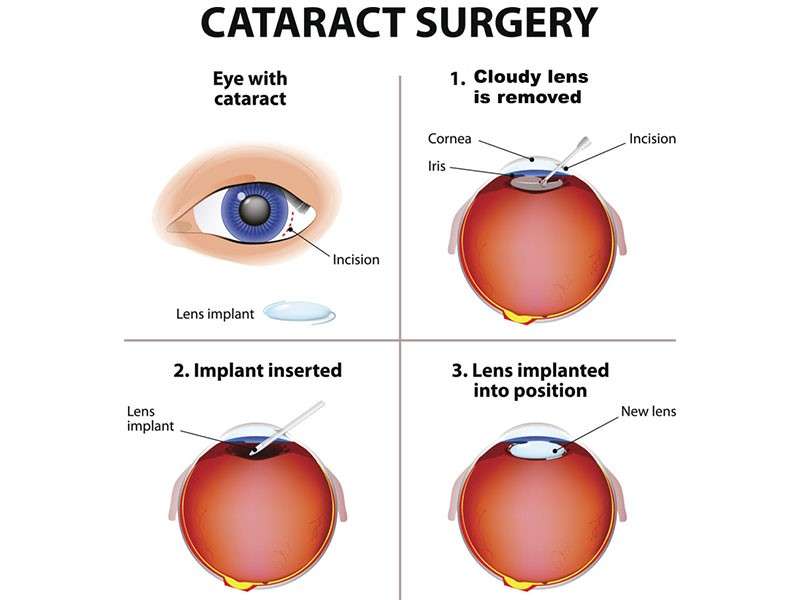
CATARACT SURGERY
Cataract surgery is a common procedure to restore vision by removing the clouded lens from the eye and replacing it with an artificial lens. This condition often develops gradually, leading to blurred vision and glare.
- Symptoms: Common signs include cloudy or blurry vision, difficulty seeing at night, and increased sensitivity to light.
- Diagnosis: An eye examination can reveal cataracts, typically through slit-lamp microscopy or visual acuity tests.
- Treatment: The primary treatment is surgery, which is usually outpatient and involves minimal recovery time.
- Post-operative care: Patients are generally advised on how to care for their eyes after surgery and may need follow-up visits for monitoring.
This procedure significantly improves quality of life for those affected by cataracts.