
Dr Poojary
About Me
Dr Poojary
General Physician
Biography
My Clinic
OPD Hours
| Tuesday | Morning | 10:00 AM | - | 02:00 PM |
| Evening | 06:00 PM | - | 09:00 PM | |
| Wednesday | Morning | 10:00 AM | - | 02:00 PM |
| Evening | 06:00 PM | - | 09:00 PM | |
| Thursday | Morning | 10:00 AM | - | 02:00 PM |
| Evening | 06:00 PM | - | 09:00 PM | |
| Friday | Morning | 10:00 AM | - | 02:00 PM |
| Evening | 06:00 PM | - | 09:00 PM | |
| Saturday | Morning | 10:00 AM | - | 02:00 PM |
| Evening | 06:00 PM | - | 09:00 PM | |
| Sunday | Morning | 10:00 AM | - | 02:00 PM |
| Evening | 06:00 PM | - | 09:00 PM | |
| Thursday | Morning | 10:00 AM | - | 02:00 PM |
| Evening | 06:00 PM | - | 09:00 PM |
Treatments
Specialised care and treatments offered
ALLERGY TESTING AND MANAGEMENT
An allergic reaction occurs when the immune system responds negatively to certain substances known as allergens. Identifying these allergens is crucial for effective management of allergies.
- Symptoms: Sneezing , itching , hives , or even anaphylaxis in severe cases are common reactions .
- Causes: Pollen , pet dander , mold spores among others can trigger allergic responses depending on individual sensitivities .
- Diagnostic methods include: Skin prick tests and specific IgE blood tests that help identify responsible allergens .
- Treatment approaches involve: Avoiding known triggers whenever possible along with antihistamines or corticosteroids being prescribed based on severity .
Please consult with your healthcare provider continually so they assess improvement whilst ensuring safety measures against exposure occur regularly!
GASTROESOPHAGEAL REFLUX DISEASE (GERD)

This chronic digestive disorder occurs when stomach acid frequently flows back into the esophagus. GERD often leads to uncomfortable symptoms that require effective management strategies for relief.
- Symptoms: Heartburn after eating , regurgitation , difficulty swallowing , etc .
- Causes: Obesity , pregnancy , smoking , certain foods , etc .
- Diagnosing GERD: Physicians typically conduct endoscopy or pH monitoring procedures based on symptom assessment .
- Treatment options: Lifestyle alterations such as maintaining a healthy weight , dietary changes , along with medications like proton pump inhibitors might be recommended .
- What patients should expect: Regular follow-up visits will aid in evaluating symptom relief effectiveness .
With adherence to treatment guidelines , GERD can be managed successfully leading to improvement in quality of life .
ASTHMA MANAGEMENT
Asthma is a chronic respiratory condition characterized by airway inflammation leading to difficulty breathing. It can impact daily activities but is manageable with the right approach.
- Main symptoms: Wheezing, coughing, chest tightness, and shortness of breath are common manifestations during an asthma attack.
- Potential triggers: Allergens like pollen or dust mites; irritants such as smoke; respiratory infections; and extreme weather conditions can exacerbate symptoms.
- The diagnosis involves:
- Reviewing medical history
- Performing lung function tests to determine airflow obstruction;
- You may need inhalers that act quickly during flare-ups (rescue inhalers), alongside preventive medications taken regularly
A personalized asthma management plan can help you lead a full life while minimizing disruptions from this condition.
HYPERLIPIDEMIA
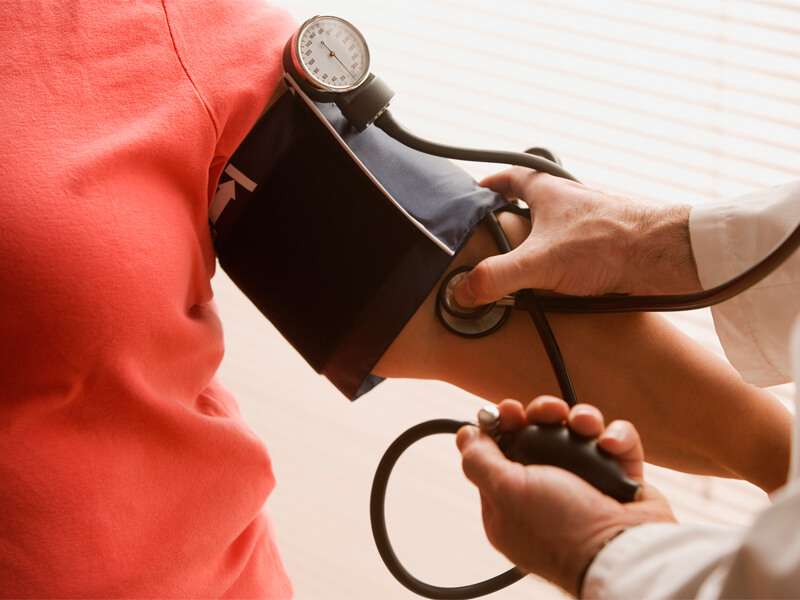
Hyperlipidemia refers to elevated levels of lipids (fats) in the blood, which increases the risk for cardiovascular diseases. This condition often requires ongoing management through lifestyle changes and sometimes medication.
- Symptoms: Often asymptomatic; however, severe cases may present with chest pain or pancreatitis
- Causes: Genetic factors, unhealthy diet rich in saturated fats, and sedentary lifestyle contribute significantly to this condition.
- The diagnostic process: Lipid panels tested via blood work measure cholesterol levels including LDL (bad) cholesterol and HDL (good) cholesterol.
- Treatment options include: Lifestyle modifications such as engaging in regular physical activity and adopting a heart-healthy diet; statins or other lipid-lowering medications may be prescribed based on your needs
DIABETES MANAGEMENT

Diabetes is a lifelong condition that affects how your body processes glucose. Both Type 1 and Type 2 diabetes require careful management to prevent long-term complications.
- Symptoms: Common signs include increased thirst, frequent urination, fatigue, and blurred vision.
- Causes: Type 1 diabetes is often autoimmune in nature, while Type 2 is linked to lifestyle factors such as poor diet and physical inactivity.
- Diagnosis: Blood tests measuring glucose levels help confirm the diagnosis of diabetes.
- Treatment strategies: Managing diabetes involves dietary modifications, regular exercise, and medications like insulin or oral hypoglycemics when necessary.
- What to expect: Ongoing monitoring of blood sugar levels and adjustments to treatment plans are essential for effective control of the condition.
A proactive approach towards managing diabetes can significantly enhance quality of life and reduce the risk of complications over time.
HYPERTENSION
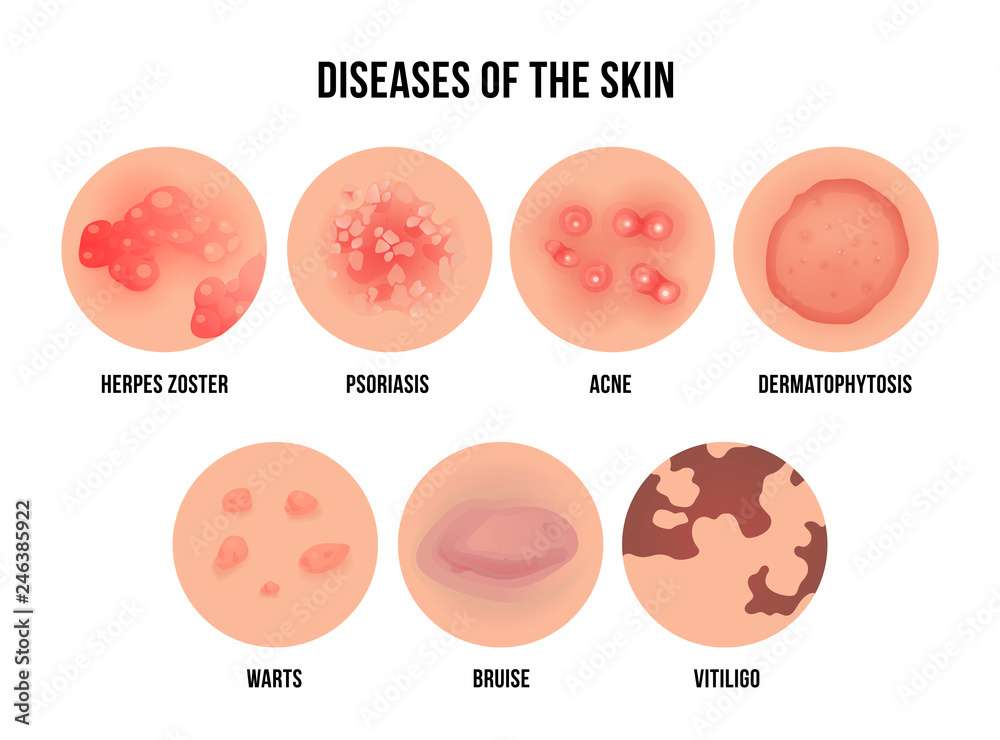
Hypertension, commonly known as high blood pressure, is a chronic condition that affects millions worldwide. It often goes unnoticed due to its subtle symptoms, yet it can lead to severe complications if left unmanaged.
- Symptoms: Many individuals experience no symptoms, but some may report headaches, dizziness, or shortness of breath.
- Causes: Factors such as obesity, lack of physical activity, and high salt intake can contribute to hypertension.
- Diagnosis: Diagnosis typically involves measuring blood pressure using a sphygmomanometer during regular check-ups.
- Treatment options: Management includes lifestyle changes like improved diet and exercise, as well as medications such as diuretics or beta-blockers when necessary.
- What to expect: Regular monitoring and adjustments in treatment may be required to maintain optimal blood pressure levels.
Managing hypertension is crucial for preventing serious health issues such as heart disease or stroke. Regular check-ups are vital for tracking your condition effectively.