
Dr Poonam Jain-
About Me
Dr Poonam Jain-
DO
Ophthalmologist
10 Years Experience
Biography
My Clinic
OPD Hours
| Monday | Morning | 10:00 AM | - | 02:00 PM |
| Evening | 06:00 PM | - | 09:00 PM | |
| Tuesday | Morning | 10:00 AM | - | 02:00 PM |
| Evening | 06:00 PM | - | 09:00 PM | |
| Wednesday | Morning | 10:00 AM | - | 02:00 PM |
| Evening | 06:00 PM | - | 09:00 PM | |
| Thursday | Morning | 10:00 AM | - | 02:00 PM |
| Evening | 06:00 PM | - | 09:00 PM | |
| Friday | Morning | 10:00 AM | - | 02:00 PM |
| Evening | 06:00 PM | - | 09:00 PM | |
| Saturday | Morning | 10:00 AM | - | 02:00 PM |
| Evening | 06:00 PM | - | 09:00 PM | |
| Sunday | Morning | 10:00 AM | - | 02:00 PM |
| Evening | 06:00 PM | - | 09:00 PM |
Treatments
Specialised care and treatments offered
GLAUCOMA
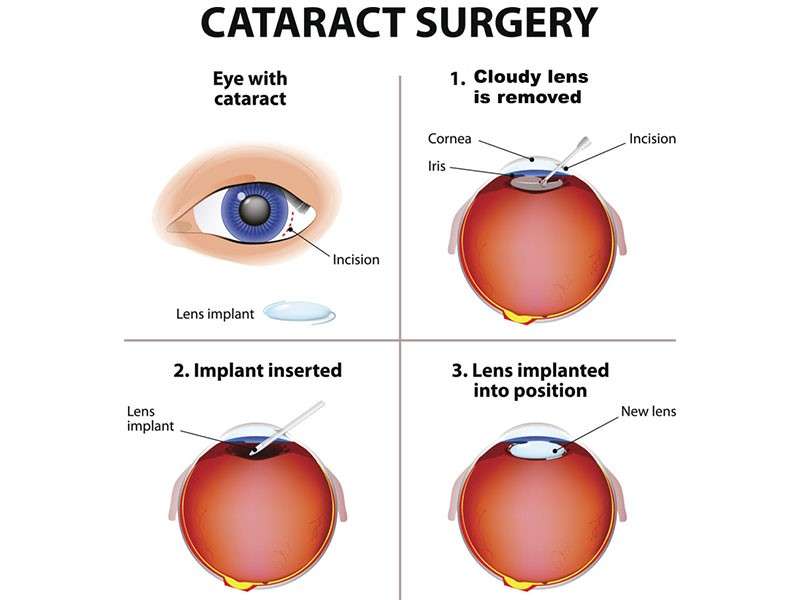
This group of diseases causes damage to your optic nerve usually linked with high intraocular pressure which if untreated could lead ultimately towards visual impairment blindness altogether hence requiring careful monitoring diligence regular check-ups involved here critical
.- *Symptoms*: Loss peripheral vision headache nausea vomiting could be present signs chronicity severity length more
- *Causes*: Increased fluid build-up improper drainage mechanisms formed during genetic predispositions create risk factors among population
- *Diagnosis*: Tonometry tests mapping fields standard procedures diagnose individuals aid clinicians processes
- Treatment:* Comprehensive follows ranges drugs laser therapies surgical interventions reduce pressures levels maintain integrity functionality *What To Expect:* Consistent follow-up necessary ongoing support ensures health stability normal routines continue unimpeded likelihood restoration declines without proactive actions taken timely reminders apply
BLEPHARITIS
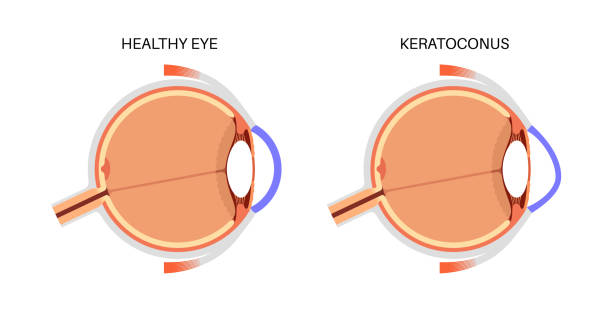
This inflammation of the eyelid margins typically involves crusted eyelashes and redness around the lids. Although usually manageable with good hygiene practices, it's important to recognize its causes for effective treatment.
- *Symptoms*: Redness along the lid margin crusted eyelash hairs itching or burning sensations may also occur
AGE-RELATED MACULAR DEGENERATION (AMD)
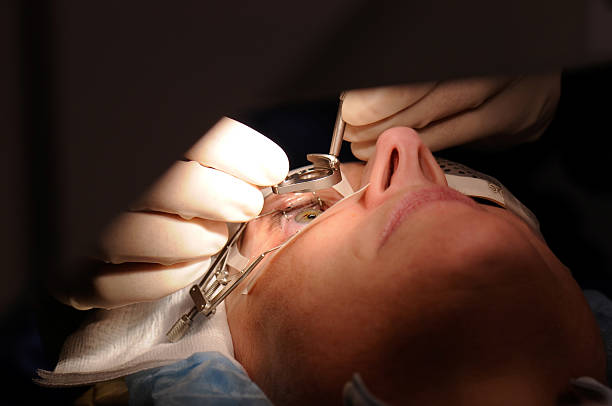
This progressive eye condition affects central vision primarily in older adults. AMD can interfere with daily tasks but understanding its nature helps in managing it better over time.
- Symptoms: Blurred vision or difficulty seeing fine details typically marks this condition's onset
- Causes: Age is a significant risk factor; genetics also play a role in susceptibility
COMPUTER VISION SYNDROME
This syndrome encompasses a group of eye-related problems that result from prolonged computer use. Symptoms can interfere with daily activities but recognizing them is the first step toward relief.
- Symptoms: Common complaints include blurred vision, headaches, dry eyes, and neck pain after extended screen time.
- Causes: Poor lighting conditions, inadequate screen distance or position contribute significantly to discomfort.
- Diagnosis: A thorough eye examination will help assess visual function in relation to screen use patterns.
- Treatment: Techniques such as the 20-20-20 rule (looking at something 20 feet away for 20 seconds every 20 minutes) and ergonomic adjustments are recommended for prevention and care.
Coping strategies can greatly alleviate symptoms associated with this modern-day issue—taking proactive steps is key!
ALLERGIC CONJUNCTIVITIS
This allergic reaction occurs when the eyes become inflamed due to allergens such as pollen or pet dander. The inflammation leads to redness and discomfort. Recognizing triggers and understanding how to manage symptoms are crucial for relief.
- Symptoms: Itching, redness, tearing, and swollen eyelids are common manifestations.
- Causes: Allergens are the primary cause; environmental factors can exacerbate symptoms.
- Diagnosis: An eye exam can determine if allergies are present through patient history and observations.
- Treatment: Antihistamines, cool compresses, and avoiding allergens are effective ways to manage the condition.
- What to expect: Most cases can be effectively managed with proper care and some lifestyle adjustments leading to significant symptom relief.
A consultation may provide additional insights into allergy management strategies specific to your situation.
DRY EYE SYNDROME
Dry Eye Syndrome is a common condition characterized by insufficient lubrication and moisture on the surface of the eye. This may occur due to various factors, including environmental influences and age. People suffering from this condition often experience discomfort, but effective management strategies are available.
- Symptoms: Common indicators include a gritty or sandy sensation, burning or stinging, and excessive tearing in response to irritation.
- Causes: Dry environments, prolonged screen time, certain medications, and aging are contributing factors.
- Diagnosis: Eye exams can reveal signs of dryness; tests like the Schirmer test measure tear production.
- Treatment: Treatment options range from artificial tears to lifestyle changes like increased hydration and humidifiers.
- What to expect: With proper management, symptoms can significantly improve, enhancing your overall comfort.
If you experience persistent symptoms, consulting an eye care professional is essential for tailored advice.