
Dr Poonam Nigam
About Me
Dr Poonam Nigam
BDS
Dentist
10 Years Experience
Biography
My Clinic
OPD Hours
| Monday | Morning | 10:00 AM | - | 02:00 PM |
| Evening | 06:00 PM | - | 09:00 PM | |
| Tuesday | Morning | 10:00 AM | - | 02:00 PM |
| Evening | 06:00 PM | - | 09:00 PM | |
| Wednesday | Morning | 10:00 AM | - | 02:00 PM |
| Evening | 06:00 PM | - | 09:00 PM | |
| Thursday | Morning | 10:00 AM | - | 02:00 PM |
| Evening | 06:00 PM | - | 09:00 PM | |
| Friday | Morning | 10:00 AM | - | 02:00 PM |
| Evening | 06:00 PM | - | 09:00 PM | |
| Saturday | Morning | 10:00 AM | - | 02:00 PM |
| Evening | 06:00 PM | - | 09:00 PM | |
| Sunday | Morning | 10:00 AM | - | 02:00 PM |
| Evening | 06:00 PM | - | 09:00 PM |
Treatments
Specialised care and treatments offered
DENTAL IMPLANTS
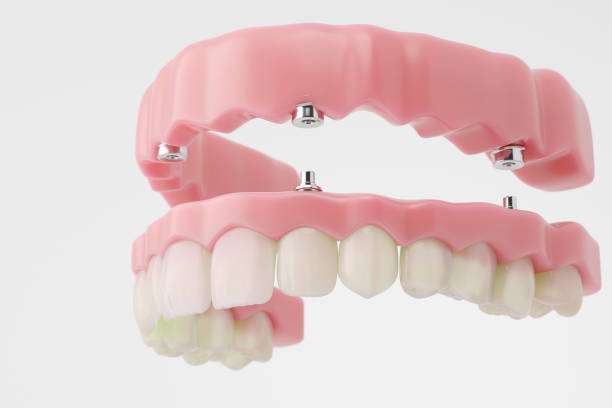
Dental implants provide a permanent solution for missing teeth through surgical placement of titanium posts into the jawbone. They serve as artificial roots onto which crowns can be mounted for optimal oral functionality
- Loss of teeth due to injury or decay might necessitate considerations towards this state-of-the-art restorative option.
- Diagnostic evaluations involve assessment via imaging techniques assessing bone density levels make sure candidates qualify beforehand ensuring best outcomes possible occurs afterward
- To determine implant success requires careful following must adhere closely therefore pre-approval consultations identifies suitable regions undergoing procedures
- After surgery patients should expect healing periods ranging from several weeks up until completion final restorations visit one last time meet expectations fulfilling desired smile satisfaction
- Proper maintenance through good hygiene practices essential keeping complications away lessening likelihood replacement necessity
These innovative solutions have revolutionized restorative dentistry giving back functional aesthetics integral lives day -to-day people's experiences interaction surrounding personal confidence regain build back!
ORAL CANCER SCREENING
An oral cancer screening is a crucial assessment performed by dentists to detect early signs of cancerous changes within the mouth. Early detection can significantly influence treatment outcomes positively.
- If you notice unusual lumps, patches in your mouth that do not heal or persistent soreness, consider having this screening performed regularly as part of preventive care routines.
- Diagnosis involves visual examinations coupled with palpations during routine check-ups; additional tests might be suggested depending upon findings.
- The screening process is quick and non-invasive; any abnormalities noted can lead further investigations as needed.
- Patients should express any ongoing concerns regarding oral symptoms before their appointment for tailored evaluations.
- Regular screenings are vital especially if you have risk factors such as tobacco use; proactive monitoring aids earlier intervention opportunities.
By committing yourself into routine screenings you actively participate in safeguarding your oral health!
PERIODONTAL TREATMENT
Periodontal treatment focuses on managing gum disease which affects the tissues surrounding teeth. Early intervention is crucial in preventing advanced stages that could lead to tooth loss.
- Main symptoms include swollen gums, bleeding while brushing or flossing, and persistent bad breath indicating bacterial presence.
- A proper diagnosis often requires an evaluation of dental history combined with charting pocket depths around teeth with specialized tools.
- Treatment options include deep cleaning (scaling and root planing) along with potential surgical interventions if required based on severity levels.
- You can anticipate some discomfort post-treatment; however, it’s generally manageable with prescribed pain relief methods.
- Regular follow-ups will be essential in maintaining gum health post-treatment.
Effective periodontal care not only improves gum health but also aids in preserving overall oral wellbeing long-term.
TEETH WHITENING
Teeth whitening refers to various cosmetic procedures that help lighten discolored or stained teeth. It’s an increasingly popular option for enhancing one's smile safely and effectively.
- Common causes of discoloration include aging, dietary factors such as coffee or tobacco use, and certain medications.
- A thorough dental exam will determine if you're a suitable candidate for whitening treatments based on your oral health condition.
- Treatment methods range from in-office procedures using professional-grade agents to at-home kits provided by dentists for convenience.
- You can expect noticeable results following a single session in most cases, with minimal discomfort involved during professional treatments.
- The longevity of results can vary but often depends on diet and maintenance after initial treatment.
This cosmetic enhancement not only boosts confidence but also contributes positively to overall oral hygiene practices.
ROOT CANAL THERAPY
A root canal is a treatment used to repair and save a tooth that is badly decayed or infected. This procedure focuses on eliminating bacteria from the infected root canal system.
- Common indicators of needing this treatment include severe toothache, sensitivity to hot or cold, and swelling around the gums.
- Diagnosis usually involves clinical examinations as well as X-ray imaging to identify the extent of infection.
- The procedure involves cleaning out the infected pulp inside the tooth and sealing it to prevent further issues.
- Anxiety about pain is common; however, local anesthesia is administered for comfort during treatment.
- Post-treatment care may involve taking antibiotics or using pain relievers as prescribed by your dentist.
This procedure effectively alleviates pain and helps save your natural tooth for years to come.
DENTAL CROWNS
Dental crowns are caps placed over damaged teeth to restore their shape, size, and strength. They are an effective solution for protecting weak teeth or improving the aesthetics of your smile.
- Symptoms that may indicate the need for a crown include severe tooth decay, cracked or worn-down teeth.
- Diagnosis typically involves a comprehensive dental examination and imaging tests like X-rays to assess tooth structure.
- Treatment options often include crafting the crown from materials like porcelain, metal, or resin based on your specific needs.
- During the procedure, you can expect local anesthesia to ensure comfort while the crown is fitted over your tooth.
- Follow-up visits may be necessary to ensure proper fit and function of the crown.
Overall, crowns can provide a durable and natural-looking solution for compromised teeth, enhancing both function and appearance.