
Dr Prabhat Sitho
About Me
Dr Prabhat Sitho
MD
Neuropsychiatrist
10 Years Experience
Biography
My Clinic
OPD Hours
| Monday | Morning | 10:00 AM | - | 02:00 PM |
| Evening | 06:00 PM | - | 09:00 PM | |
| Tuesday | Morning | 10:00 AM | - | 02:00 PM |
| Evening | 06:00 PM | - | 09:00 PM | |
| Wednesday | Morning | 10:00 AM | - | 02:00 PM |
| Evening | 06:00 PM | - | 09:00 PM | |
| Thursday | Morning | 10:00 AM | - | 02:00 PM |
| Evening | 06:00 PM | - | 09:00 PM | |
| Friday | Morning | 10:00 AM | - | 02:00 PM |
| Evening | 06:00 PM | - | 09:00 PM | |
| Saturday | Morning | 10:00 AM | - | 02:00 PM |
| Evening | 06:00 PM | - | 09:00 PM | |
| Sunday | Morning | 10:00 AM | - | 02:00 PM |
| Evening | 06:00 PM | - | 09:00 PM |
Treatments
Specialised care and treatments offered
PSYCHOPHARMACOLOGY
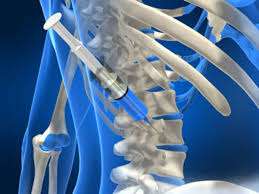
Psychoactive medications play an essential role in managing various psychiatric conditions by balancing neurotransmitter levels within the brain. Knowledgeable evaluation leads physicians toward optimal pharmacological interventions tailored specifically for each patient’s needs.
- Symptoms/Causes: Medications address symptoms stemming from conditions such as anxiety disorders or major depressive disorder where chemical imbalances are present within neural pathways.
- Diagnosis: Professionals will comprehensively review medical histories alongside symptom presentations before prescribing appropriate medication options based on guidelines established within psychiatry practice standards.
- Treatment Options: Treatment could involve SSRIs/SNRIs targeting serotonin/dopamine pathways; benzodiazepines useful during acute bouts of anxiety; among other possibilities depending upon clinician discretion based upon patient feedback regarding efficacy experienced over time.
- What to Expect: Regular monitoring allows adjustments made necessary ensuring maximum comfort & efficacy achieved over prolonged durations post initiation therapy regimen ensuring holistic strategy employed while collaborating closely together towards achieving desired outcomes
This dynamic interplay between medication management & psychotherapeutic approaches supports long-lasting recovery & sustains wellness actively engaging partners across care spectrum collaboratively striving enhancement overall quality life!
MINDFULNESS-BASED STRESS REDUCTION (MBSR)

NEUROFEEDBACK

Neurofeedback is an innovative form of biofeedback that enables individuals to gain control over their brain functions. By monitoring brain activity in real-time, participants can learn how to modify their thoughts or emotions influence positively.
- Symptoms/Causes: It can help with various conditions including ADHD, anxiety disorders, PTSD, and chronic stress by enhancing self-regulation capabilities.
- Diagnosis: A mental health expert conducts an initial assessment and EEG recording before beginning neurofeedback training sessions tailored to individual needs.
- Treatment Options: Sessions are typically conducted weekly over several months with each session involving interactive exercises while monitoring brain wave activities on a screen.
- What to Expect: Participants may notice gradual changes in focus, emotional regulation, and overall cognitive performance throughout treatment duration.
This therapeutic approach fosters personal empowerment by equipping individuals with techniques essential for managing their mental well-being effectively.
TRANSCRANIAL MAGNETIC STIMULATION (TMS)

Transcranial Magnetic Stimulation (TMS) is a non-invasive procedure that uses magnetic fields to stimulate nerve cells in the brain. This innovative technique is frequently employed for patients suffering from major depressive disorder who have not responded well to traditional therapies.
- Symptoms/Causes: TMS targets symptoms of depression such as persistent sadness, loss of interest, and fatigue.
- Diagnosis: A comprehensive evaluation determines TMS suitability based on the patient's medical history and current psychiatric conditions.
- Treatment Options: The process involves multiple sessions per week over several weeks, with each session lasting about 40 minutes.
- What to Expect: Most patients experience minimal side effects like scalp discomfort; improvements in mood are often reported soon after starting treatment.
This option provides hope for individuals seeking relief from debilitating depressive symptoms without systemic side effects associated with medication.
ELECTROCONVULSIVE THERAPY (ECT)

Electroconvulsive Therapy (ECT) is a medical treatment most commonly used for severe depression. It involves sending small electrical currents through the brain to induce a brief seizure, which may lead to significant mood improvements.
- Symptoms/Causes: ECT is often indicated for treatment-resistant depression or when rapid response is essential due to risk of harm.
- Diagnosis: A psychiatrist evaluates the patient’s history and current mental health status before recommending ECT.
- Treatment Options: Typically administered under general anesthesia in 6-12 sessions over weeks, depending on individual needs.
- What to Expect: Patients usually notice improvements in mood after a few sessions; however, memory lapses may occur temporarily following treatment.
This procedure can be life-saving for those experiencing extreme emotional pain when other treatments have failed.
COGNITIVE BEHAVIORAL THERAPY (CBT)

Cognitive Behavioral Therapy, or CBT, is a widely recognized therapeutic approach effective in treating various mental health disorders. It focuses on identifying and altering negative thought patterns and behaviors that contribute to emotional distress.
- Symptoms/Causes: Common issues addressed include anxiety, depression, stress, and OCD.
- Diagnosis: A thorough assessment by a mental health professional helps determine if CBT is suitable for the patient.
- Treatment Options: Sessions typically involve structured discussions, homework assignments, and practical strategies to change thinking.
- What to Expect: Patients can expect to develop coping skills and improved mental resilience over several sessions.
This therapy empowers individuals by providing them tools to manage their thoughts and feelings more effectively.