
Dr Prachis
About Me
Dr Prachis
Dermatologist
Biography
My Clinic
OPD Hours
| Tuesday | Morning | 10:00 AM | - | 02:00 PM |
| Evening | 06:00 PM | - | 09:00 PM | |
| Wednesday | Morning | 10:00 AM | - | 02:00 PM |
| Evening | 06:00 PM | - | 09:00 PM | |
| Thursday | Morning | 10:00 AM | - | 02:00 PM |
| Evening | 06:00 PM | - | 09:00 PM | |
| Friday | Morning | 10:00 AM | - | 02:00 PM |
| Evening | 06:00 PM | - | 09:00 PM | |
| Saturday | Morning | 10:00 AM | - | 02:00 PM |
| Evening | 06:00 PM | - | 09:00 PM | |
| Sunday | Morning | 10:00 AM | - | 02:00 PM |
| Evening | 06:00 PM | - | 09:00 PM | |
| Thursday | Morning | 10:00 AM | - | 02:00 PM |
| Evening | 06:00 PM | - | 09:00 PM |
Treatments
Specialised care and treatments offered
ROSACEA MANAGEMENT
Rosacea is a chronic inflammatory condition causing facial redness that can appear as flushing episodes accompanied by visible blood vessels. It often affects fair-skinned individuals more commonly but varies greatly between patients regarding its expression.
- Symptoms frequently consist of persistent facial redness resembling sunburns along with bumps resembling acne-like pustules making it challenging during flare-ups amongst others who experience embarrassment due its presentation regardless of their actual complexion status overall too!
- Diagnosis relies mainly upon clinical presentation utilizing patient history paired together revealing potential triggers brought forth exacerbating this disorder’s ramifications further than casual observations instead being thoroughly discussed thoroughly once presented accurately when attending consultations arranged promptly upon initial occurrence symptoms reported adequately beforehand accordingly here!
WART REMOVAL
Warts are benign growths caused by human papillomavirus (HPV) infections that manifest differently depending on their location. They are often harmless but can increase discomfort due to their visibility or location on sensitive areas among certain individuals.
- Symptoms typically include small bumps that might have a rough texture; plantar warts occur on feet whereas genital warts appear in intimate areas triggering potential embarrassment.
- Diagnosis primarily involves visual inspection by skilled professionals although biopsies could be necessary if there are concerns over malignancy.
- Treatment options vary widely ranging from cryotherapy using freezing techniques targeted specifically at wart tissues up through electrosurgery excisions eliminating them surgically altogether apart from over-the-counter topical solutions available from pharmacies.
- Successful removal usually results in clear skin without recurrence although repeat treatments might be needed occasionally—they work well generally in conjunction with consistent follow-up appointments ensuring complete resolution too.
Identifying effective strategies helps enhance overall confidence levels while addressing cosmetic concerns related directly towards warts efficiently across multiple avenues available today too.
SKIN CANCER SCREENING
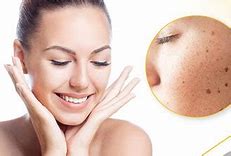
Skin cancer screening is an essential part of early detection strategies aimed at identifying malignant growths before they progress. Regular examinations allow dermatologists to evaluate changes in moles or new spot formations on the skin's surface.
- Key indicators include irregularly shaped moles, color variations within a mole, any changes in size over time along with bleeding or itching sensations associated with spots on your body.
- A thorough assessment generally involves whole-body examinations where suspicious lesions could be biopsied for histopathological analysis if deemed necessary.
- Screening may lead to early interventions such as excisions for pre-cancerous conditions like actinic keratosis or more advanced cancer treatments depending on findings.
- Through regular check-ups and proactive measures taken during screenings; outcomes are much improved regarding prognosis for those diagnosed early-on compared to late-stage detection scenarios.
Sustaining routine evaluations promotes optimal dermatologic health while significantly reducing risks associated with advanced skin cancers.
ACNE
Acne is a common dermatological concern affecting adolescents and adults alike. This condition arises when hair follicles become clogged with oil and dead skin cells, leading to inflammation and pimples.
- The primary signs include whiteheads, blackheads, cysts, or nodules typically appearing on the face, back, neck, shoulders, or chest.
- A dermatologist may perform an evaluation that includes examining the type of acne present alongside assessing hormonal levels if necessary for severe cases.
- Treatment modalities may involve topical retinoids or antibiotics; in severe instances, oral medications such as isotretinoin might be recommended.
- Patients should note that while acne treatment can take time to show results; patience paired with adherence to prescribed therapies usually leads to noticeable improvements within weeks or months.
Engaging with a specialist ensures personalized strategies for controlling acne effectively over time.
ECZEMA
Eczema is an inflammatory condition that leads to dry, itchy skin. It is particularly common among children but can affect individuals of any age. The exact cause is still not fully understood but is believed to involve genetic and environmental factors.
- Common symptoms encompass intense itching, red or brownish-gray patches on the skin, dry or sensitive skin areas, and thickened or cracked skin due to excessive scratching.
- A healthcare provider typically diagnoses eczema based on the appearance of the affected areas along with discussing medical history; patch testing may be conducted for allergic reactions.
- Management includes moisturizing treatments, corticosteroid creams for flare-ups, and avoiding triggers like certain soaps or fabrics.
- Patients can expect that with proper care and lifestyle adjustments, flare-ups can significantly decrease over time.
An informed approach is essential in managing eczema effectively for long-term relief.
PSORIASIS
Psoriasis is a chronic skin condition characterized by red, itchy, and scaly patches. It occurs when the immune system mistakenly accelerates skin cell production, leading to the buildup of cells on the surface of the skin.
- Symptoms include red patches covered with thick, silvery scales, dry and cracked skin that may bleed, itching and burning sensations, and thickened or pitted nails.
- This condition is often diagnosed through a physical examination and can sometimes require a biopsy to rule out other skin disorders.
- Treatment options range from topical treatments such as corticosteroids to phototherapy and systemic medications that target specific pathways in the immune system.
- With effective management, most individuals can expect significant improvement in their symptoms, though it may require ongoing care.
Understanding psoriasis can empower patients to seek appropriate treatment strategies for better skin health.