
Dr Pradeep Bhati
About Me
Dr Pradeep Bhati
MD
Cardiologist
Biography
My Clinic
OPD Hours
| Monday | Morning | 10:00 AM | - | 02:00 PM |
| Evening | 06:00 PM | - | 09:00 PM | |
| Tuesday | Morning | 10:00 AM | - | 02:00 PM |
| Evening | 06:00 PM | - | 09:00 PM | |
| Wednesday | Morning | 10:00 AM | - | 02:00 PM |
| Evening | 06:00 PM | - | 09:00 PM | |
| Thursday | Morning | 10:00 AM | - | 02:00 PM |
| Evening | 06:00 PM | - | 09:00 PM | |
| Friday | Morning | 10:00 AM | - | 02:00 PM |
| Evening | 06:00 PM | - | 09:00 PM | |
| Saturday | Morning | 10:00 AM | - | 02:00 PM |
| Evening | 06:00 PM | - | 09:00 PM | |
| Sunday | Morning | 10:00 AM | - | 02:00 PM |
| Evening | 06:00 PM | - | 09:00 PM |
Treatments
Specialised care and treatments offered
CHOLESTEROL MANAGEMENT

Mildly elevated cholesterol levels can impact cardiovascular health significantly over time. Monitoring your cholesterol profile regularly aids in predicting future cardiac issues proactively.
- You might not experience noticeable symptoms, but high cholesterol contributes directly towards plaque formation within arteries leading eventually towards blockages over time if ignored risk factors persist unabated!
PERIPHERAL ARTERY DISEASE
This vascular condition arises when narrowed arteries reduce blood flow mainly to the limbs. It's primarily caused by plaque buildup due to cholesterol deposits over time leading to potential mobility issues.
- The most recognizable symptom includes leg pain during activities like walking—a sensation often described as cramping—which tends to improve with rest.
- Diagnosis is generally made through ankle-brachial index tests or Doppler ultrasound assessments that evaluate blood flow in affected areas.
- Treatment protocols consist largely of lifestyle improvements encompassing smoking cessation alongside supervised exercise programs; medication options include antiplatelet agents that preserve circulation.
- Severe cases may require surgical rerouting through procedures like bypass grafting or angioplasty aimed at enhancing arterial circulation back into peripheral regions.
Maintaining awareness of risks associated with this condition helps prevent progression towards more significant health implications down the line.
ATRIAL FIBRILLATION
Atrial fibrillation (AFib) is an irregular heartbeat that can lead to strokes and other heart-related complications. It affects the heart's two upper chambers (the atria) allowing them to beat chaotically and out of sync with the lower chambers (the ventricles).
- Symptoms may manifest as palpitations, dizziness, fatigue, or even chest pain during episodes of rapid heartbeat.
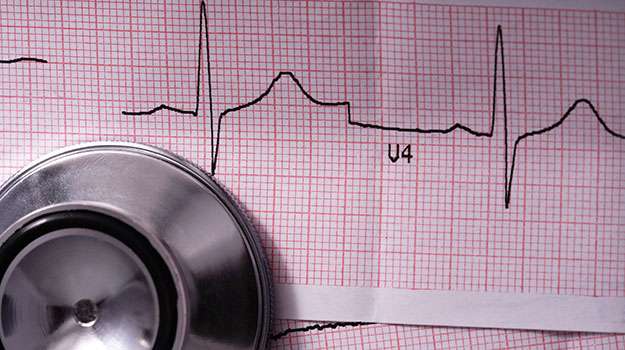
- This condition is diagnosed through an electrocardiogram (ECG), which records electrical activity in your heart over time while also evaluating any underlying causes that contribute to AFib occurrence.
- Treatment typically focuses on controlling heart rate with beta-blockers or calcium channel blockers while also considering anticoagulants to prevent clot formation that could lead to stroke risks.
- Certain patients might benefit from procedures such as cardioversion or catheter ablation aimed at restoring normal rhythm in their hearts if other treatments are ineffective.
Atrial fibrillation management should be individualized; with proper care steps taken early on, significant advancements toward stabilization can often be achieved.
HEART FAILURE
Heart failure occurs when the heart cannot pump blood efficiently enough to meet the body's needs. This is often a result of previous heart conditions affecting its structure or function.
- Common symptoms include swelling in the legs and ankles, persistent cough or wheezing, extreme fatigue, and irregular heartbeat patterns.
- A diagnosis usually involves a physical examination combined with imaging tests like an echocardiogram and blood tests to evaluate heart function.
- Treatment modalities focus on managing symptoms by using medications such as beta-blockers or ACE inhibitors along with dietary changes and fluid restrictions when necessary.
- In advanced cases, devices such as pacemakers may be required to assist in maintaining an adequate heartbeat; some patients might be candidates for surgery or transplantation.
This condition requires ongoing care; effective management can significantly enhance quality of life for those affected by it.
CORONARY ARTERY DISEASE
This condition involves a narrowing or blockage of the coronary arteries due to plaque buildup. This impediment can hinder blood flow to the heart muscle itself.
- The primary symptoms include chest pain (angina), fatigue, and shortness of breath during physical activity.
- Diagnosis often includes stress tests, angiography, and echocardiograms to assess blood flow and heart function.
- Treatment strategies range from lifestyle alterations—like improved diet and increased physical activity—to medical therapies including statins and antiplatelet medications.
- Surgical interventions such as angioplasty or coronary bypass surgery may be necessary in severe cases to restore proper blood flow.
- Persistent management is crucial for preventing further complications like heart attacks or arrhythmias.
If addressed early through lifestyle changes and medical care, individuals can lead healthier lives despite this diagnosis.
HYPERTENSION
Hypertension, commonly known as high blood pressure, is a chronic condition that can lead to severe health complications if not managed properly. It occurs when the force of the blood against the artery walls is consistently too high.
- Symptoms might include headaches, shortness of breath, or nosebleeds, though many individuals remain asymptomatic.
- Diagnosis typically involves regular monitoring of blood pressure using sphygmomanometers, alongside blood tests to rule out underlying conditions.
- Treatment options include lifestyle changes such as diet modifications and regular exercise, along with medications like diuretics or ACE inhibitors.
- Ongoing management may require frequent check-ups to adjust medications as needed and monitor for potential complications.
- If left untreated, hypertension can result in heart disease, stroke, or kidney damage.
Managing hypertension effectively improves overall health and significantly reduces the risk of serious cardiovascular events.