
Dr Pradeep P Rao
About Me
Dr Pradeep P Rao
Oncologist
Biography
My Clinic
OPD Hours
| Tuesday | Morning | 10:00 AM | - | 02:00 PM |
| Evening | 06:00 PM | - | 09:00 PM | |
| Wednesday | Morning | 10:00 AM | - | 02:00 PM |
| Evening | 06:00 PM | - | 09:00 PM | |
| Thursday | Morning | 10:00 AM | - | 02:00 PM |
| Evening | 06:00 PM | - | 09:00 PM | |
| Friday | Morning | 10:00 AM | - | 02:00 PM |
| Evening | 06:00 PM | - | 09:00 PM | |
| Saturday | Morning | 10:00 AM | - | 02:00 PM |
| Evening | 06:00 PM | - | 09:00 PM | |
| Sunday | Morning | 10:00 AM | - | 02:00 PM |
| Evening | 06:00 PM | - | 09:00 PM | |
| Thursday | Morning | 10:00 AM | - | 02:00 PM |
| Evening | 06:00 PM | - | 09:00 PM |
Treatments
Specialised care and treatments offered
CRYOABLATION
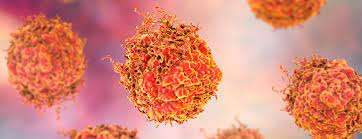
Cryoablation utilizes extreme cold temperatures to destroy targeted tumor cells. This technique has gained traction due its ability reduce complications traditionally associated surgical interventions while achieving effective outcomes against certain types cancers including kidney among others leading enhanced post-treatment experiences overall satisfaction patient satisfaction rates rising continuously since adoption practice procedures globally across regions today!
Symptoms Presenting Concerns:Successful application requires careful consideration preceding identifying risk factors involved ensuring maintain extensive surveillance thereafter maintaining proactive attitudes around ensuing checks confirms systematic delivery promoting healthy longevity surviving despite ongoing challenges faced life threatening situations arise latter stages dealing decisively each obstacle encountered necessary manner removing obstacles whatsoever impacts effective control measured commitments assisting shaped success rates experienced despite limitations imposed circumstances evolving pace technologies offering better outcomes observed expected earlier predictions realized through broader application techniques tailored specifically respective needs individuals affected conditions manifesting differently amongst each population segment engaging them appropriately appearing competent gaining trust gradually establishing solid lines communication build long-lasting relationships foster mutual respect generated confidence instilled therein!
RADIOFREQUENCY ABLATION (RFA)
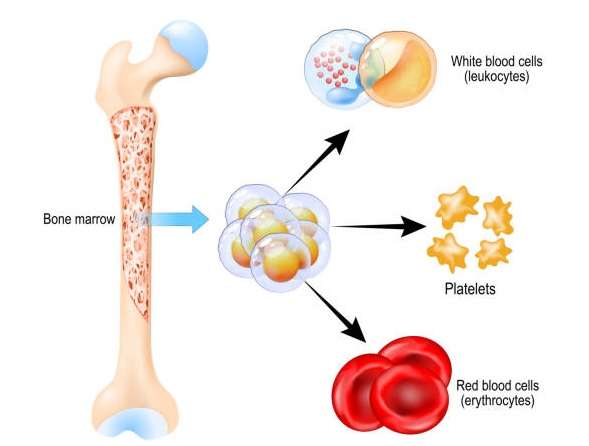
Radiofrequency Ablation (RFA) is a minimally invasive technique used primarily for treating certain tumors by delivering heat directly through radio waves. It effectively destroys cancerous tissue while sparing surrounding healthy structures from harm during treatment sessions.
- This technique can alleviate issues caused by tumors' pressure on surrounding tissues while providing therapeutic benefits without extensive recovery times.
ENDOSCOPIC ULTRASOUND (EUS) GUIDED BIOPSY

An Endoscopic Ultrasound (EUS) guided biopsy combines endoscopy and ultrasound technology for precise sampling of tissue from suspected tumors within the digestive tract. This minimally invasive procedure aids in accurate diagnosis without requiring major surgery.
- Common Indications: EUS-guided biopsies are often indicated when patients present symptoms such as unexplained abdominal pain or jaundice related to potential gastrointestinal cancers.
- Diagnosis Methodology: The procedure uses a thin tube equipped with an ultrasound device placed inside the body to visualize structures before collecting samples using fine needles.
- Procedure Insights: Typically performed on an outpatient basis, it requires minimal sedation and produces little recovery time afterward; most patients return home on the same day.
- Post-procedure Care: Patients might experience some soreness at the site; however, serious complications are rare. Close follow-up ensures timely results from biopsy analyses which facilitate further treatment decisions if necessary.
EUS-guided biopsy stands out as a safe option for diagnostic clarity regarding complex cases of suspected malignancies.
IMMUNOTHERAPY
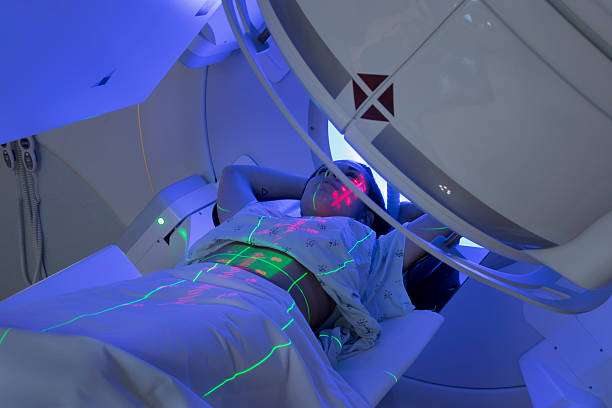
Immunotherapy employs the body’s immune system to fight cancer by enhancing its natural defenses. This innovative treatment is effectively changing how certain cancers are managed.
- Symptoms: Many patients seek immunotherapy based on persistent symptoms like unusual lumps or ongoing fatigue linked with their specific type of cancer.
- Diagnosis Process: Diagnosis includes imaging tests along with biomarker assessments that pinpoint eligibility for immunotherapy.
- Treatment Regimen: Treatments vary widely but may involve monoclonal antibodies or checkpoint inhibitors delivered through infusions over several weeks or months.
- Anticipated Outcomes: While side effects might include flu-like symptoms or skin reactions, many patients find these manageable compared to traditional therapies. Regular follow-up appointments help monitor progress and adapt strategies as needed.
This form of therapy represents a remarkable leap forward in oncology, offering hope where treatments were previously limited.
CHEMOTHERAPY MANAGEMENT
Chemotherapy is one of the cornerstone treatments for many cancer types, utilizing powerful drugs to target and kill rapidly dividing cancer cells. It can be administered in various settings depending on the type and stage of cancer.
- Symptoms: Common symptoms prompting chemotherapy include unexplained weight loss, persistent fatigue, and changes in appetite due to cancer progression.
- Diagnosis: A thorough evaluation includes physical exams, imaging studies, and biopsy results that help determine whether chemotherapy is appropriate.
- Treatment Administration: Chemotherapy can be given orally or through intravenous lines in cycles, allowing normal cells time to recover between doses.
- Managing Side Effects: Anticipating side effects like nausea or hair loss is crucial; supportive medications can help mitigate these effects significantly.
With advancements in personalized medicine, chemotherapy regimens are increasingly tailored to enhance effectiveness according to individual patient profiles.
STEREOTACTIC BODY RADIATION THERAPY (SBRT)
Stereotactic Body Radiation Therapy (SBRT) is a precise form of radiation therapy that delivers high doses of radiation to tumors in fewer sessions than traditional methods. This approach minimizes damage to nearby healthy tissues and can be particularly beneficial for patients with certain types of cancer.
- Symptoms: Patients may experience localized pain or discomfort related to the tumor location, along with other general symptoms associated with their condition.
- Diagnosis: Imaging tests such as CT scans or MRIs are commonly utilized to determine the size, shape, and exact location of the tumor.
- Treatment Options: SBRT often involves 1-5 sessions over the course of a week, tailored to each patient's specific needs. It may be combined with other treatments, like chemotherapy.
- What to Expect: Side effects may include fatigue and mild skin irritation at the treatment site. It's essential to follow post-treatment care guidelines provided by your healthcare team.
SBRT offers a cutting-edge option for those seeking effective cancer management while minimizing recovery time.