
Dr Pradeep R Vyas
About Me
Dr Pradeep R Vyas
Cardiologist
Biography
My Clinic
OPD Hours
| Tuesday | Morning | 10:00 AM | - | 02:00 PM |
| Evening | 06:00 PM | - | 09:00 PM | |
| Wednesday | Morning | 10:00 AM | - | 02:00 PM |
| Evening | 06:00 PM | - | 09:00 PM | |
| Thursday | Morning | 10:00 AM | - | 02:00 PM |
| Evening | 06:00 PM | - | 09:00 PM | |
| Friday | Morning | 10:00 AM | - | 02:00 PM |
| Evening | 06:00 PM | - | 09:00 PM | |
| Saturday | Morning | 10:00 AM | - | 02:00 PM |
| Evening | 06:00 PM | - | 09:00 PM | |
| Sunday | Morning | 10:00 AM | - | 02:00 PM |
| Evening | 06:00 PM | - | 09:00 PM | |
| Thursday | Morning | 10:00 AM | - | 02:00 PM |
| Evening | 06:00 PM | - | 09:00 PM |
Treatments
Specialised care and treatments offered
HEART FAILURE MANAGEMENT
Heart failure occurs when the heart cannot pump enough blood to meet the body’s needs. It can develop from various underlying conditions including hypertension or coronary artery disease. Understanding this condition fosters better management strategies for patients affected by it.
- Main Symptoms: Patients might experience fatigue, swelling in legs/ankles, shortness of breath even at rest when facing advanced stages of this condition.:'
'
CORONARY ARTERY DISEASE SCREENING

Coronary artery disease (CAD) screening aims to identify blockages in coronary arteries before they cause significant problems like heart attacks. Early detection is key in managing this common condition effectively.
- Causal Factors: High cholesterol, smoking, hypertension, diabetes are primary contributors to CAD development.
- Disease Indicators: Chest pain (angina), fatigue during physical activities can signal underlying conditions requiring further investigation.
- Screens Used: Stress tests and imaging studies like angiograms provide insights into arterial health and function.
A proactive attitude towards CAD screening leads to timely interventions that can enhance life quality. Regular check-ups should be part of your health routine if you have risk factors for CAD.
ELECTROCARDIOGRAMS (ECG)
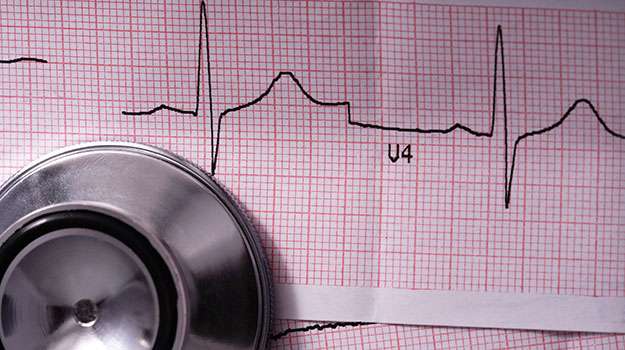
An electrocardiogram (ECG) is a simple test that records the electrical activity of the heart. This test helps identify various heart conditions and abnormalities by providing a graphical representation of heart rhythms.
- Purpose: ECGs are used to detect arrhythmias, ischemic heart disease, and structural heart disorders.
- Procedure: Electrodes are placed on the skin to capture electrical signals; the process is quick and painless.
- Differential Diagnosis: Abnormal results may prompt further testing such as echocardiography or stress testing if indicated.
An ECG is a non-invasive procedure that provides valuable insights into your heart's function. Discuss your results with your doctor to understand their implications fully.
CHOLESTEROL SCREENING
Monitoring cholesterol levels is critical in preventing heart disease and stroke. Elevated cholesterol often has no symptoms, making screenings important for early detection and intervention.
- Causative Factors: Poor diet, lack of exercise, obesity, genetic predisposition can all contribute to high cholesterol levels.
- Diagnostics: Blood tests measure LDL (bad cholesterol), HDL (good cholesterol), and triglycerides to assess overall risk.
- Treatment Options: Lifestyle changes such as improved diet and regular exercise; medications like statins may be prescribed when necessary.
- What to Expect: After initiating treatment, follow-up blood tests will help evaluate effectiveness and guide future decisions.
A proactive approach to cholesterol management can significantly lower cardiovascular risks. Talk with your healthcare provider about the best plan for you.
HYPERTENSION MANAGEMENT
Hypertension, or high blood pressure, is a condition that can lead to serious health issues if left untreated. It often goes unnoticed because it typically does not present obvious symptoms. Understanding how to manage hypertension is crucial for long-term health.
- Symptoms: Often asymptomatic; some may experience headaches, shortness of breath, or nosebleeds.
- Diagnosis: Blood pressure readings are taken using a sphygmomanometer over multiple visits to confirm high readings.
- Treatment: Lifestyle changes such as diet and exercise are essential; medications may include diuretics or ACE inhibitors depending on individual needs.
- Management: Regular monitoring of blood pressure and lifestyle modifications are vital for controlling hypertension.
- Prognosis: With appropriate management, individuals can live healthy lives despite the diagnosis.
Effective management of hypertension can significantly reduce the risk of heart disease and stroke. Regular check-ups are recommended for monitoring progress.